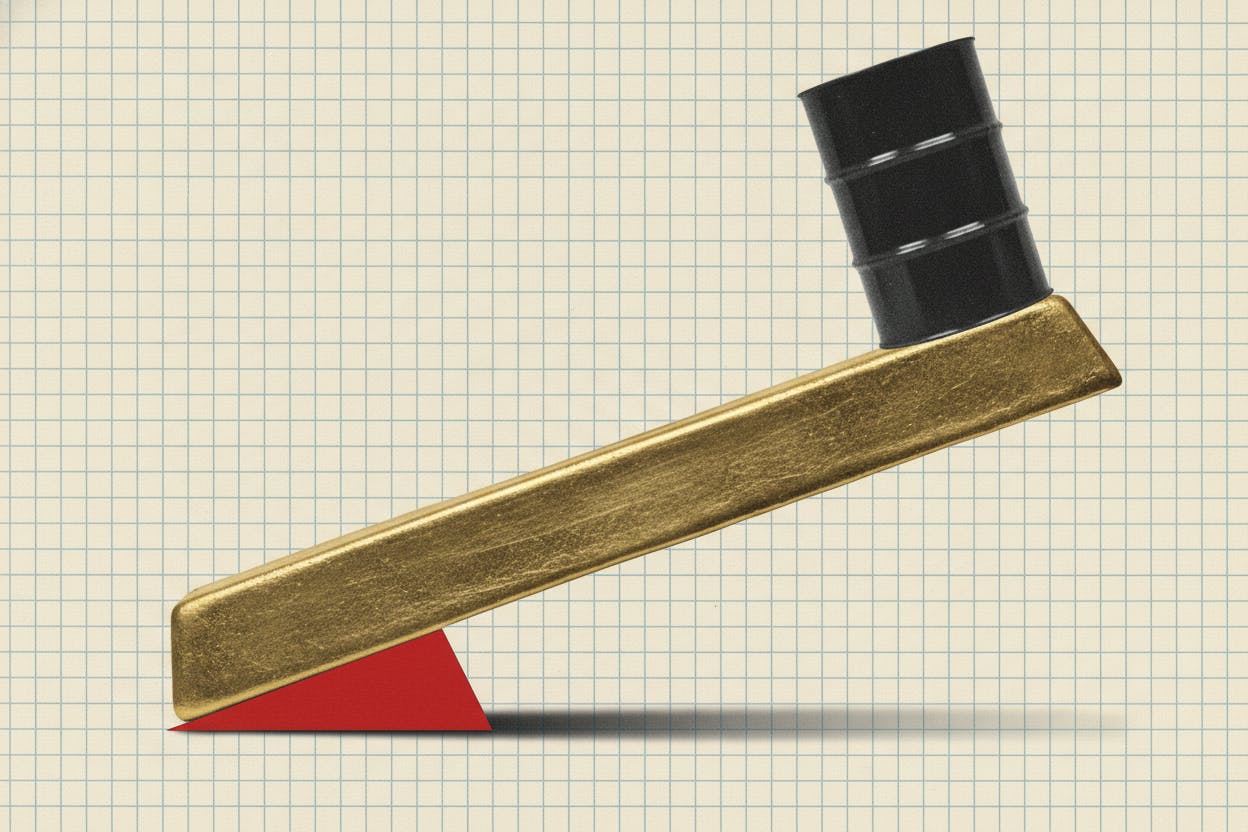
Gold prices edged lower on Wednesday, with spot bullion slipping to $4,349 an ounce, as a sustained climb in oil prices reignited inflation worries and kept the prospect of near-term interest-rate cuts at bay. Investors are now squarely focused on two key inflation readings due later this week that could shape the Federal Reserve's next policy move.
Oil's rally is the spark
The immediate driver is crude. Brent crude has risen for four straight sessions, and while the gains may seem modest, the ripple effects can be significant. Higher energy costs feed into the broader economy through more expensive shipping, manufacturing, and production—costs that often get passed along to consumers. That's why traders are watching oil's ascent with a wary eye: it threatens to keep inflation stickier than hoped.
For gold, the timing is awkward. Gold is often seen as a hedge against inflation, but it's also highly sensitive to interest rates. When rates are high or expected to stay high, gold—which pays no interest—becomes less attractive compared with yield-bearing assets like bonds. So while inflation might normally support gold, the fear that it will force the Fed to keep rates elevated is weighing on the metal.
What traders are watching: PPI and CPI
The market's attention is now fixed on two data releases. On Thursday, the producer price index (PPI) will show wholesale inflation—the prices businesses pay for goods and services. On Friday, the consumer price index (CPI) will reveal how much prices rose at the retail level. Both are critical inputs for the Fed's interest-rate decisions.
The CME FedWatch Tool, which tracks the probability of rate moves as implied by futures markets, is being closely monitored. As of Wednesday, the tool suggested that traders are pricing in a certain path for rates—one that likely reflects a reduced chance of a cut in the near term, given the oil-driven inflation scare. If either PPI or CPI comes in hotter than expected, those odds could shift further, potentially pushing gold even lower.
This week's data comes on the heels of other inflation signals. For instance, Chile's inflation accelerated in August, complicating that country's rate-cut plans—a reminder that price pressures are a global concern. Meanwhile, the dollar has been wavering as traders await the same US inflation data, adding another layer of complexity for gold, which is priced in dollars.
What it means for investors
For everyday investors, the key takeaway is that gold's near-term path hinges on the inflation data and the Fed's reaction. If inflation proves stubborn, rates may stay higher for longer, which could keep gold under pressure. Conversely, if the data shows cooling price pressures, the case for rate cuts strengthens, and gold could rebound.
It's also worth noting that gold's slide is happening against a backdrop of broader market jitters. Software stocks have been sliding on AI disruption fears, and oil's climb toward $100 has rattled emerging markets. These cross-asset moves highlight how interconnected today's markets are—what happens in oil can ripple through stocks, bonds, and commodities alike.
For those holding gold as a long-term portfolio diversifier, short-term dips like this are not unusual. Gold's role as a hedge against geopolitical and economic uncertainty remains intact, but its performance in any given week can be swayed by rate expectations. The prudent approach is to focus on the bigger picture: inflation trends, Fed policy, and global risks—rather than reacting to daily price moves.
As the week unfolds, all eyes will be on Thursday's PPI and Friday's CPI. The numbers could set the tone for gold, the dollar, and risk assets into the next Fed meeting. Until then, expect gold to remain sensitive to every headline and data point.



