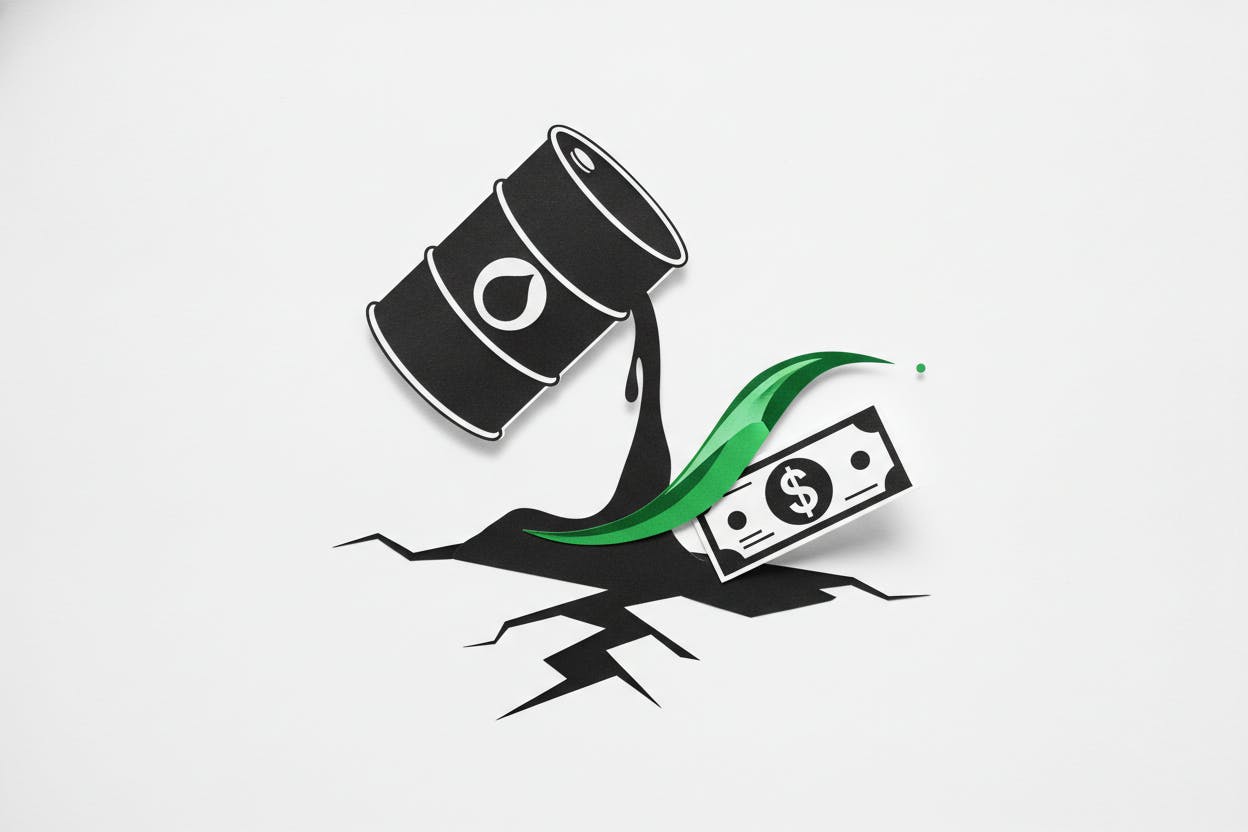
Emerging-market assets took a hit on Tuesday as oil prices surged toward the psychologically important $100-a-barrel mark, stoking fresh concerns about global inflation. Brent crude, the international benchmark, jumped 2.4% after attacks on Saudi energy sites by Iran-backed Houthi rebels and threats of "economic warfare" from Tehran. The move came just days before the US releases its latest inflation report on Friday, a data point that could shape the Federal Reserve's next policy moves.
Why oil is climbing
The latest spike in oil prices is rooted in escalating tensions in the Middle East. Houthi forces, which are backed by Iran, launched attacks on energy infrastructure in Saudi Arabia, while Iranian officials issued threats against the United States. These developments raised fears of supply disruptions in one of the world's most critical oil-producing regions.
Brent crude has been creeping higher for weeks, and Tuesday's 2.4% jump pushed it close to the $100 threshold. For context, oil prices haven't traded at that level since 2022, when Russia's invasion of Ukraine sent energy costs soaring. A sustained move above $100 would mark a significant shift in the global energy landscape.
The rally in crude is also rippling through other markets. Asian stocks stalled, and the Japanese yen strengthened as investors sought safer assets. The broader Asian market reaction has been cautious, with many regional indices giving up early gains.
The inflation connection
Higher oil prices are a classic inflation trigger. When energy costs rise, they feed into the price of everything from gasoline to shipping, pushing up consumer prices. That's a problem for central banks, including the US Federal Reserve, which has been trying to bring inflation down to its 2% target.
Investors are now waiting for Friday's US inflation report, which will show whether price pressures are cooling or heating up again. If inflation comes in hot, the Fed may be forced to keep interest rates higher for longer, or even consider another hike. That would be a headwind for risk assets, including emerging-market stocks and bonds.
Why emerging markets are especially vulnerable
Emerging markets are particularly sensitive to rising oil prices for several reasons. Many of these countries are net importers of energy, meaning they have to buy oil from abroad. When prices rise, their trade balances worsen, and their currencies can come under pressure.
Higher oil prices also complicate monetary policy for emerging-market central banks. If inflation is already a concern, they have less room to cut interest rates to support growth. That's a double whammy: slower growth and higher borrowing costs.
The recent sell-off in Latin American markets is a case in point. As bets on a Fed rate hike climbed, investors pulled money out of riskier assets, including those in the region. Similarly, Asian markets have been rattled by the combination of a stronger yen and spiking oil prices.
What it means for investors
For everyday investors, the key takeaway is that oil prices are a force to watch. If crude stays elevated, it could keep inflation higher, which would affect everything from mortgage rates to the stock market. It also means that emerging-market investments, such as funds that track stocks in developing countries, could face more volatility.
Investors should also keep an eye on the US inflation report on Friday. A hot number could trigger a broader market sell-off, while a cool reading might ease some of the pressure. In the meantime, the situation in the Middle East remains fluid, and any further escalation could push oil even higher.
As always, it's important to remember that markets move in cycles. While the current environment is challenging, it also creates opportunities for those who are patient and diversified. The best approach is to stay informed and avoid making impulsive decisions based on short-term swings.



