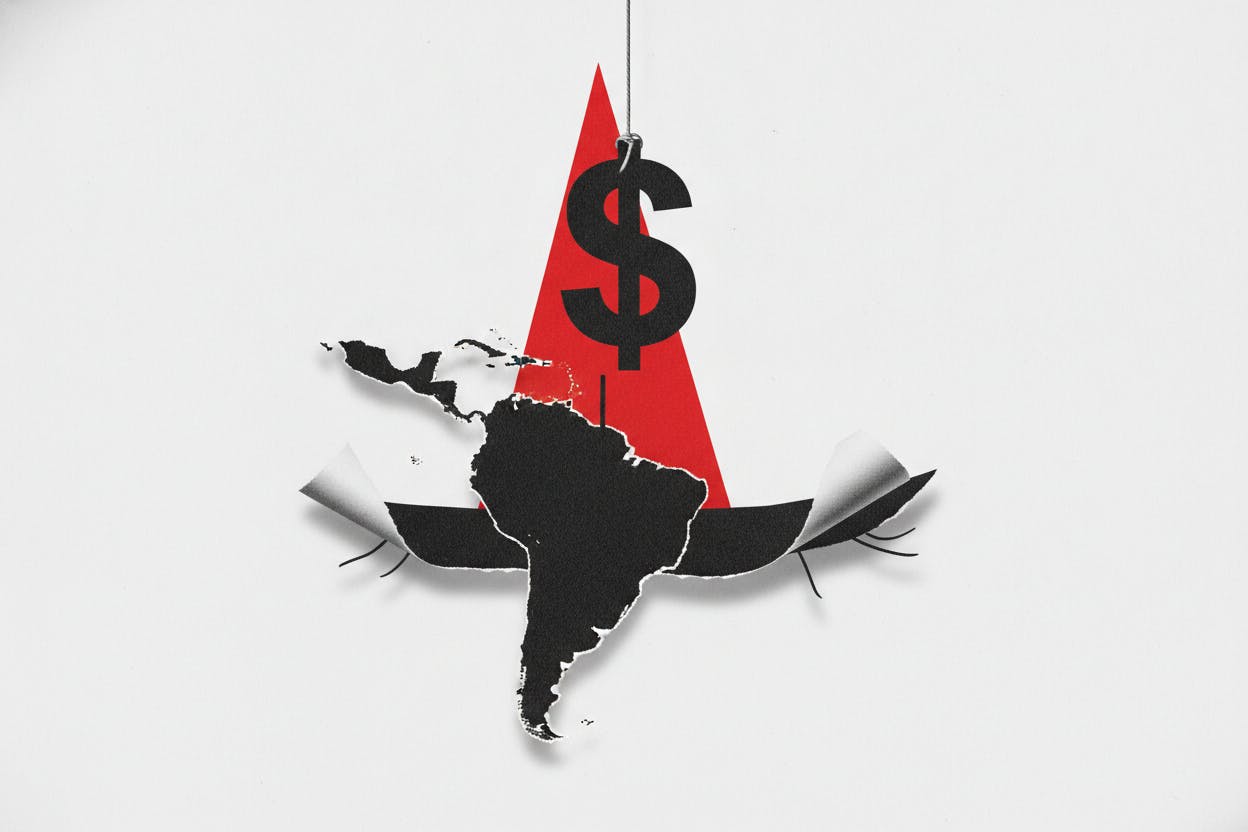
Latin American stocks and currencies slipped on Monday after a stronger-than-expected US jobs report for August led investors to raise their bets on a Federal Reserve interest rate hike next month. The shift in expectations lifted the US dollar, which tends to weigh on emerging-market assets.
Traders quickly repriced the odds of a move at the Fed's September meeting, with the CME FedWatch tool implying a 60% chance of a hike, up from about 50% earlier in the session, according to Reuters. The jump followed data showing the US economy added more jobs than analysts had forecast, a sign of resilience that gives the central bank room to keep policy tight.
Why a strong jobs report matters for Latin America
Robust labor data usually makes investors think the Fed can keep interest rates higher for longer. That is because a healthy job market supports consumer spending and overall economic growth, which can keep inflation elevated. To bring inflation back to its 2% target, the Fed may need to raise its benchmark rate again, or at least hold it at current levels for an extended period.
For Latin America, the key channel is the dollar. When US rates are expected to rise, US assets become more attractive to global investors, drawing capital away from emerging markets and pushing the dollar higher. A stronger greenback makes dollar-denominated debt more expensive for countries and companies in the region, and it can also reduce the competitiveness of their exports.
As a result, regional stock indices and currencies—from the Mexican peso to the Brazilian real—often come under pressure when Fed hike expectations increase. This dynamic was on full display after the jobs report, with several Latin American benchmarks giving back some of the gains they had made in recent weeks.
What this means for investors
For everyday investors, the takeaway is that US economic data can have ripple effects far beyond Wall Street. A strong jobs report is not automatically good news for global markets—it can signal that the Fed will keep rates high, which tends to hurt riskier assets, including those in emerging markets.
Investors with exposure to Latin American stocks or currencies should be prepared for volatility as the September Fed meeting approaches. The 60% probability is not a certainty, and the actual decision will depend on a range of data, including inflation readings and other economic indicators due in the coming weeks.
It is also worth noting that not all Latin American economies are equally sensitive to Fed policy. Countries with large domestic markets and less reliance on foreign capital may be more insulated, while those with high dollar debt or heavy commodity exports could feel more pain. Still, the broad trend is clear: when the dollar firms, emerging-market assets often struggle.
Looking ahead
Investors will now focus on upcoming US inflation data and any comments from Fed officials for clues about the September decision. If inflation remains sticky, the case for a hike strengthens, and Latin American markets could face further pressure. Conversely, if inflation cools, the odds could drop, providing some relief.
For now, the region's markets are in a wait-and-see mode, with the dollar's strength likely to remain a dominant theme. As always, diversification and a long-term perspective can help investors weather the short-term swings that such cross-border dynamics can create.



