Chip stocks rose on Tuesday after a report that Apple is exploring an enterprise AI server built around its in-house M-series processors. The news, first reported by The Information, was enough to lift the Philadelphia Semiconductor Index by 1.6%, with Nvidia shares up 1.5%.
Investors treated the headline as another sign that spending on artificial intelligence is spreading beyond the biggest cloud companies. Apple, best known for its iPhones and Macs, has been steadily building out its own chip design capabilities, and a move into AI servers would mark a significant step into the data center market.
Why Apple's server plans matter
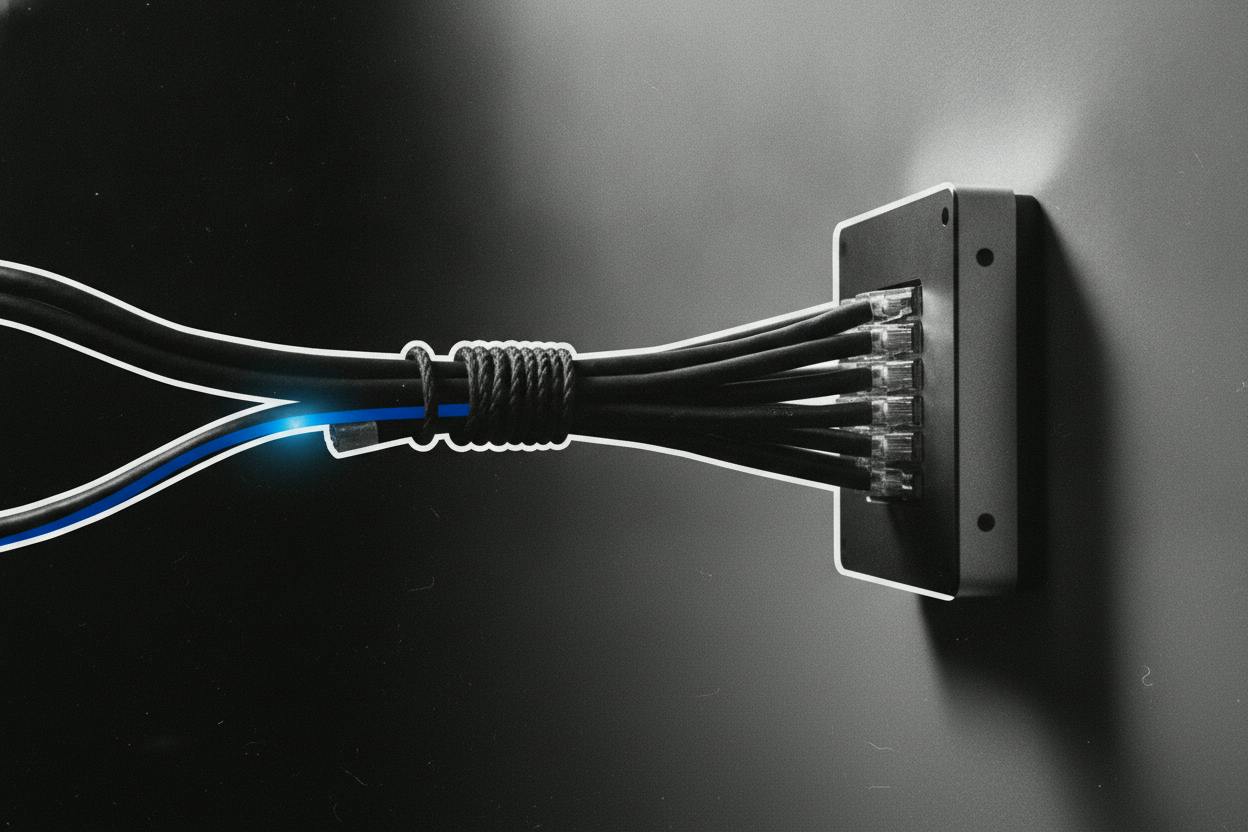
The report said Apple is testing a server design that pairs its own processors with networking gear from Nvidia. That combination is notable because at AI scale, the hard part is often moving data quickly between chips and between servers, not just designing the compute chip itself. Networking technology, like Nvidia's NVLink and InfiniBand, has become a critical piece of AI infrastructure.
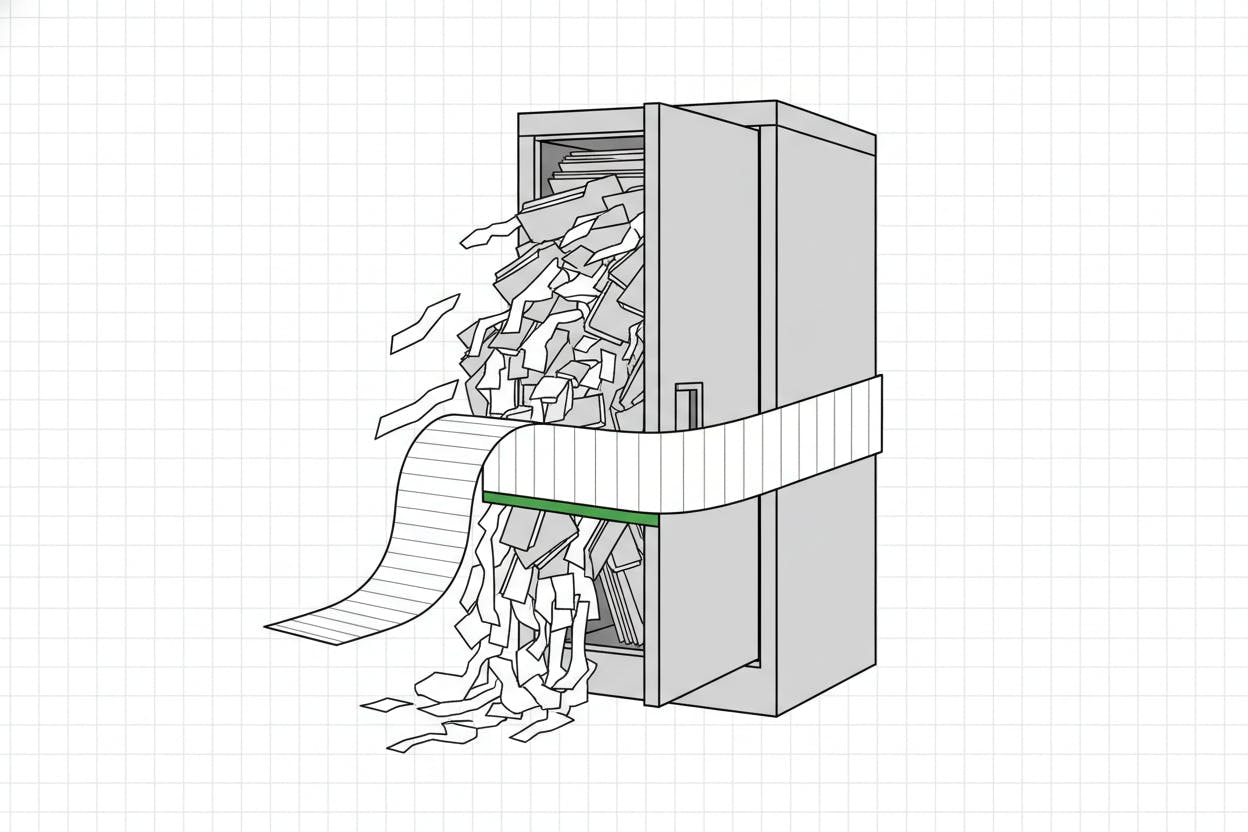
For Apple, building its own AI servers could give it more control over its AI services, from Siri to future generative AI features, while also reducing reliance on third-party server makers. It would also put Apple in more direct competition with companies like Nvidia, which dominates the AI chip market, and with cloud providers that offer AI computing power.
The move is still exploratory, according to the report, and there is no guarantee Apple will bring a product to market. But the fact that Apple is even testing such a design is a signal that AI demand is broadening, and that could be good news for the entire semiconductor supply chain.
SK hynix cools Intel tie-up talk
In a separate development, SK hynix, the South Korean memory chip maker, played down speculation that it was in talks for a US memory-chip tie-up with Intel. The company's comments came after reports suggested a possible partnership, but SK hynix said there was no such deal in the works.
Memory chips are a key component in AI servers, and any major partnership in that space would have implications for the competitive landscape. SK hynix is already a major supplier of high-bandwidth memory (HBM), which is used in Nvidia's AI accelerators, so the company is well positioned in the AI boom. But the lack of a deal with Intel means the memory market remains fragmented, with players like Samsung and Micron also vying for share.
Investors had been watching for any consolidation in the memory sector, especially after the US government has pushed for more domestic chip production. But SK hynix's comments suggest that a major tie-up is not imminent, at least not with Intel.
What it means for investors
For everyday investors, the key takeaway is that AI demand is not just a story about a few big tech companies. It is rippling through the entire semiconductor ecosystem, from chip designers to memory makers to networking gear providers.
When a company like Apple explores building its own AI servers, it could mean more orders for chip suppliers, more demand for memory and networking components, and more competition in a market that has been dominated by a handful of players. That could be positive for semiconductor stocks broadly, but it also comes with risks.
Apple's plans are still in the exploratory phase, and there is no guarantee they will lead to a product. If the company does enter the AI server market, it could disrupt existing players, but it could also take years to materialize. Investors should be cautious about reading too much into early reports.
Meanwhile, the SK hynix news is a reminder that not every rumor leads to a deal. Memory chip stocks have been volatile, and investors should be prepared for headlines that don't pan out.
As always, it's important to focus on the long-term fundamentals rather than short-term market moves. AI is a powerful trend, but it's not the only factor driving the market. Interest rates, inflation, and the broader economy also play a role, as seen in Asian markets reacting to the Fed's next move.
For those looking to understand how AI is reshaping the chip industry, Apple's reliance on Nvidia's networking tech is a key detail. And for a broader view on market expectations, institutional investors are warning about lower returns ahead.
In the end, the chip rally on Tuesday is a sign that investors are still optimistic about AI's growth potential. But as with any technology trend, there will be winners and losers, and it's wise to diversify rather than bet everything on one sector.