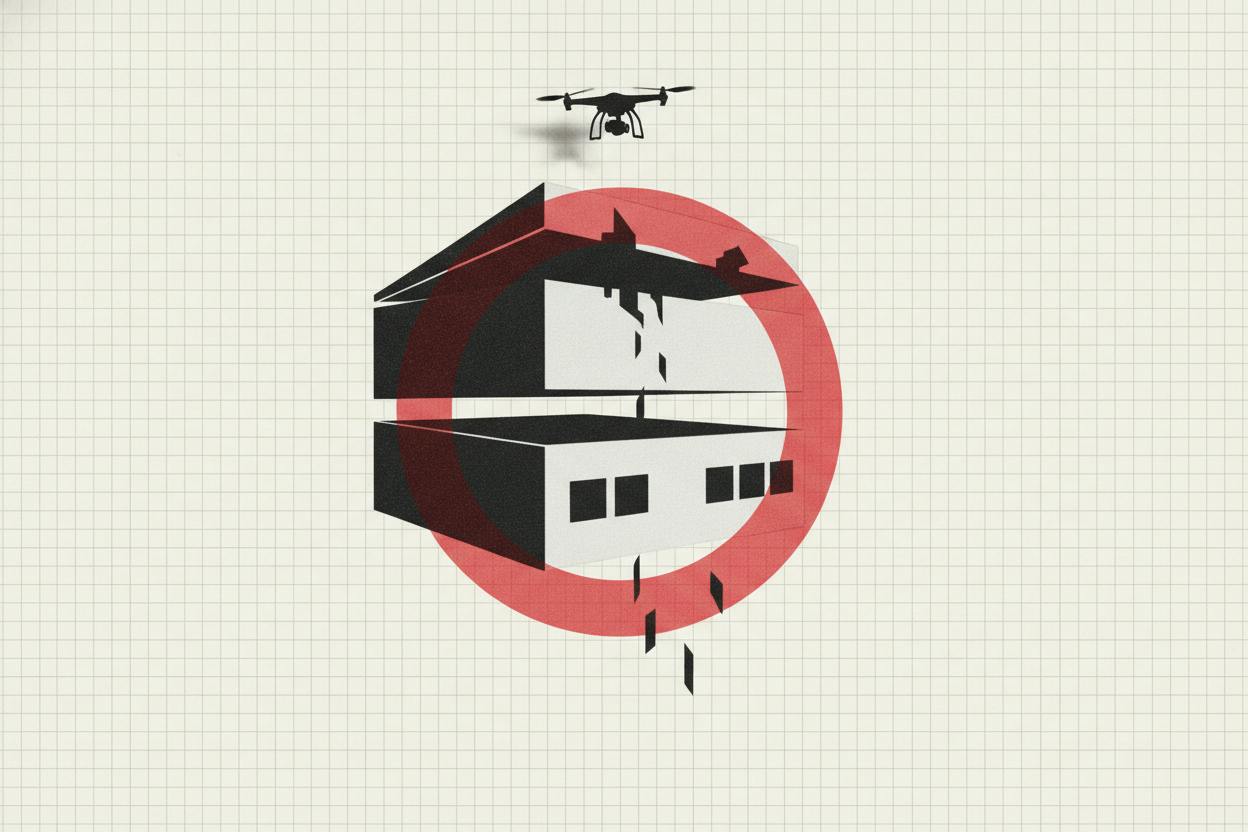
Amazon Web Services (AWS), the cloud-computing arm of Amazon, has confirmed that some customer data stored in its Bahrain and United Arab Emirates (UAE) regions cannot be recovered. The announcement comes more than six months after drone strikes damaged multiple data centers in the region, an incident that has tested the limits of the company's disaster-recovery design.
In a Tuesday update on its service health dashboard, AWS said the damage in Bahrain "surpassed built-in resilience thresholds." The strikes hit infrastructure across multiple availability zones—the separate, physically isolated data centers that are designed to back each other up in case one fails. When an entire region's zones are damaged simultaneously, the usual failover protections can break down.
AWS explained that after a thorough investigation, it is unable to restore access to resources and data that were hosted only in Bahrain. Separate notices indicate the company is still working to bring back two of its UAE availability zones, suggesting the recovery effort is ongoing but not complete.
What are availability zones and why do they matter?
For everyday investors, it helps to understand the basic architecture of cloud computing. AWS, like other major cloud providers, divides its global infrastructure into regions, and each region contains multiple availability zones. These zones are designed to be independent enough that a failure in one—say, a power outage or a fire—won't affect the others. That redundancy is a core selling point for businesses that rely on the cloud to keep their applications running.
When a customer stores data in a single availability zone, they are essentially betting that the zone will remain operational. AWS offers tools to replicate data across zones, but not every customer uses them. The drone strikes in Bahrain and the UAE damaged multiple zones at once, which is exactly the kind of scenario that redundancy is meant to guard against—but in this case, the scale of the damage overwhelmed the system.
The incident highlights a broader risk for companies that put critical operations in the cloud: even the most robust infrastructure can face events that exceed its design limits. For investors, it's a reminder that cloud services, while highly reliable, are not infallible.
What does this mean for investors?
For AWS customers, the loss of data could have real financial consequences. Businesses that relied on those Bahrain-hosted resources may face downtime, data loss, and the cost of rebuilding their systems from backups or from scratch. That could translate into lost revenue, legal liabilities, or reputational damage for those companies.
For Amazon shareholders, the immediate financial impact is likely limited. AWS is a massive, diversified business, and a regional data loss—while serious for affected customers—is unlikely to move the needle on Amazon's overall earnings. However, the incident could raise questions about the resilience of cloud infrastructure in geopolitically sensitive regions. The Gulf has seen increased tensions, including drone strikes that have disrupted oil pipelines and shipping in the Strait of Hormuz, which have kept oil prices elevated. These events underscore the broader risks to businesses operating in the region.
Investors should also consider the competitive landscape. AWS is the dominant player in cloud computing, but rivals like Microsoft Azure and Google Cloud are constantly vying for market share. A high-profile data loss could prompt some businesses to rethink their cloud strategies, potentially benefiting competitors that offer different redundancy options or more transparent disaster-recovery plans.
What to watch next
AWS says it is still working to restore two UAE availability zones, so the situation is not fully resolved. Customers in the region will be watching closely to see if any additional data can be recovered. The company has not disclosed how many customers are affected or the total value of the lost data, but such details could emerge in the coming weeks.
For investors, the key takeaway is that cloud outages—even rare, catastrophic ones—are part of the risk profile of tech companies. While AWS's parent company, Amazon, is well-positioned to absorb the financial hit, the incident serves as a reminder that no system is completely immune to disruption. As the Gulf region remains volatile, with drone technology becoming more advanced and more widely used, businesses and investors alike should factor in the possibility of similar events.
In the meantime, affected customers are left to deal with the aftermath, and AWS is left to rebuild trust. For the rest of us, it's a useful lesson in the importance of understanding where your data lives—and what happens when the worst-case scenario actually occurs.