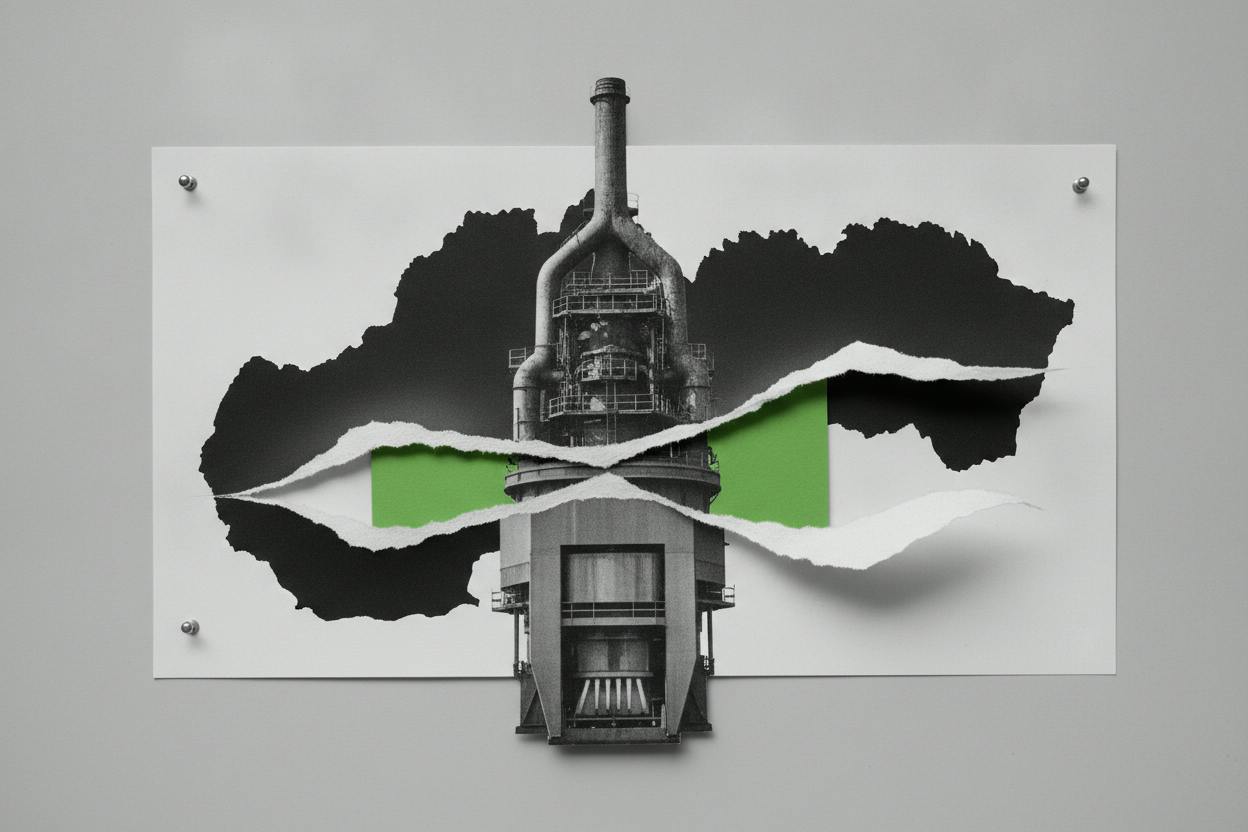
Nippon Steel, one of the world's largest steelmakers, is making a major bet on greener steel production in Europe. The Japanese company plans to build a $1.04 billion (€900 million) electric arc furnace at a plant in Slovakia, with the help of €350 million in Slovak government subsidies. According to Nikkei Asia, the new furnace is expected to start operations in 2030 and produce 1.6 million metric tons of steel annually.
The project is part of a broader push by the steel industry to reduce its carbon footprint. Traditional steelmaking relies on blast furnaces that burn coal to extract iron from ore, a process that emits large amounts of carbon dioxide. Electric arc furnaces (EAFs), by contrast, melt scrap steel using electricity, which can dramatically cut emissions—especially if the electricity comes from renewable sources.
Why Slovakia?
The furnace will be added to a plant in Slovakia that is currently owned by US Steel, which Nippon Steel acquired as part of its $14.9 billion purchase of the American steelmaker last year. Slovakia is strategically located in Central Europe, close to major automotive and manufacturing customers that are under pressure to decarbonize their supply chains.
The Slovak government's subsidy—roughly €350 million—underscores how European nations are willing to support industrial projects that align with climate goals. The European Union has set ambitious targets to cut greenhouse gas emissions, and steel production is one of the hardest sectors to clean up. By backing an EAF, Slovakia is betting that green steel can become a competitive advantage.
For Nippon Steel, the investment is a hedge against tightening environmental regulations and shifting customer preferences. Automakers, for example, are increasingly demanding low-carbon steel to reduce the emissions of their vehicles. A local EAF in Europe also helps Nippon Steel avoid potential carbon border taxes that the EU has introduced on imported goods.
What it means for investors
For everyday investors, this news is a reminder that the steel industry is undergoing a slow but significant transformation. Companies that can produce steel with lower emissions may be better positioned to win contracts and avoid regulatory penalties. However, the economics are not straightforward.
Steel prices are highly cyclical, driven by global demand from construction, infrastructure, and manufacturing. The cost of electricity is a major variable for EAFs, and if power prices spike, margins can shrink quickly. Additionally, the availability of high-quality scrap steel is limited, which can constrain output.
Nippon Steel's move also signals confidence in the long-term demand for steel in Europe, despite recent economic headwinds. The region's push to build more renewable energy infrastructure, such as wind turbines and solar panels, will require significant amounts of steel. Similarly, the transition to electric vehicles will need steel for car bodies and batteries.
Investors should watch how Nippon Steel finances this project and whether it can secure enough clean electricity to make the green steel premium worthwhile. The company's ability to integrate the Slovak plant with its existing operations will also be key.
Broader market context
The announcement comes at a time when global steel markets are facing uncertainty. China, the world's largest steel producer, has been curbing output to reduce pollution, which has supported prices. Meanwhile, interest rate hikes in major economies have slowed construction activity, dampening demand.
In Japan, the Nikkei index recently snapped a losing streak, partly due to gains in energy shares, reflecting the ongoing focus on energy costs and inflation. Steelmakers are sensitive to energy prices, so any sustained rise in electricity costs could affect profitability.
For investors looking at the broader picture, the shift to green steel is part of a larger trend of industrial decarbonization. Companies that adapt early may benefit from government subsidies and preferential treatment from customers. But the transition is expensive, and not all players will succeed.
Nippon Steel's Slovak project is a test case. If it works, it could pave the way for similar investments elsewhere. If it struggles, it may serve as a cautionary tale about the challenges of greening heavy industry.
As always, investors should consider their own risk tolerance and diversification. Steel is a cyclical commodity, and individual company bets can be volatile. But understanding the strategic moves of major players like Nippon Steel can help you make more informed decisions about your portfolio.