Japan's benchmark Nikkei 225 index snapped a three-day losing streak on Wednesday, closing up 0.69% as energy shares took the lead. The broader Topix index also gained 0.61%, steadying the market after a period of declines.
The move came as investors kept one eye on two major central bank decisions looming this week: the US Federal Reserve's rate announcement and the Bank of Japan's policy meeting. Both are expected to set the tone for global markets in the coming weeks.
Why energy stocks led the rally
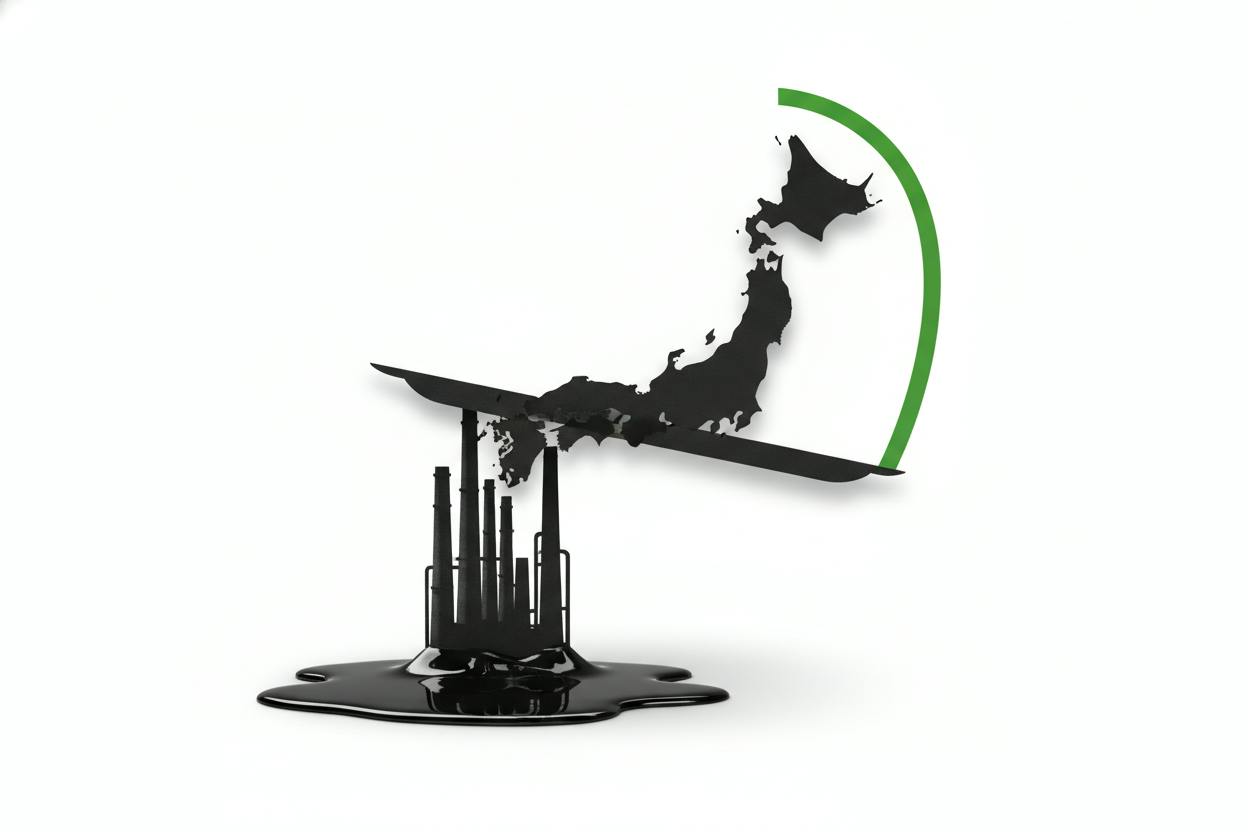
Energy shares were the standout performers, buoyed by firm oil prices. For Japan, the link between oil and the stock market is more direct than in many other developed economies. The country imports nearly all of its fuel, so when crude prices climb, the cost of that energy quickly feeds into the national import bill and corporate costs.
That dynamic was visible in Wednesday's trade data. Exports rose 19.3% year-on-year, a solid figure, but imports jumped 28%, leaving a trade deficit. The gap highlights how higher energy prices can act as a drag on Japan's economy even as its exporters benefit from a weaker yen and strong global demand.
For investors, the energy rally is a reminder that commodity prices can move markets in unexpected ways. When oil climbs, energy producers and related firms often see their shares rise, but the broader economy can feel the pinch through higher costs.
Caution ahead of the Fed and BoJ
Despite the gains, the mood was cautious. Wall Street fell overnight as US Treasury yields rose, with the 10-year yield hovering near 5% — a level that has historically made investors nervous because it raises borrowing costs and can pressure stock valuations. Higher yields also make bonds more attractive relative to stocks, prompting some investors to shift money out of equities.
The Fed's decision is the main event for global markets. While the central bank is widely expected to hold rates steady, investors will be listening for any hints about future moves. A more hawkish tone could push yields higher and weigh on stocks, while a dovish surprise could spark a relief rally.
Meanwhile, the Bank of Japan's meeting carries its own significance. The BoJ has kept interest rates ultra-low for years, but speculation has grown that it may eventually shift policy. Any sign of a change could affect the yen, which in turn impacts Japanese exporters and the overall market.
As investors pay up for market protection ahead of the Fed decision, the caution is evident in options markets and trading volumes.
What it means for everyday investors
For ordinary investors, the Nikkei's bounce is a reminder that markets rarely move in a straight line. After several down days, a rebound can happen quickly, especially when a sector like energy catches a bid.
But the bigger picture is about interest rates. When central banks raise rates or signal they might, borrowing costs go up for companies and consumers, which can slow economic growth and hurt corporate profits. That's why investors are so focused on the Fed and the BoJ this week.
For those with exposure to Japanese stocks, the trade data is worth watching. A widening trade deficit can put pressure on the yen, which has both positive and negative effects. A weaker yen makes Japanese exports cheaper and more competitive, but it also raises the cost of imported energy and raw materials.
Energy prices are another factor to monitor. As energy stocks rally on oil supply fears in other markets, the same forces are at play in Japan. If oil continues to climb, energy shares may keep outperforming, but the broader economy could feel the strain.
For now, the market is in a wait-and-see mode. The Fed and BoJ decisions will likely determine whether the Nikkei can build on Wednesday's gains or if the caution wins out. As always, it's important to remember that short-term market moves are normal, and a diversified portfolio is designed to weather them.
Investors should also keep an eye on Asia stocks steady as the 10-year Treasury yield hovers near 5%, a level that has historically been a tipping point for equity markets.
In the meantime, the energy sector's leadership is a clear signal that commodity prices remain a key driver of market sentiment. Whether that continues depends on global supply and demand, as well as the path of interest rates.