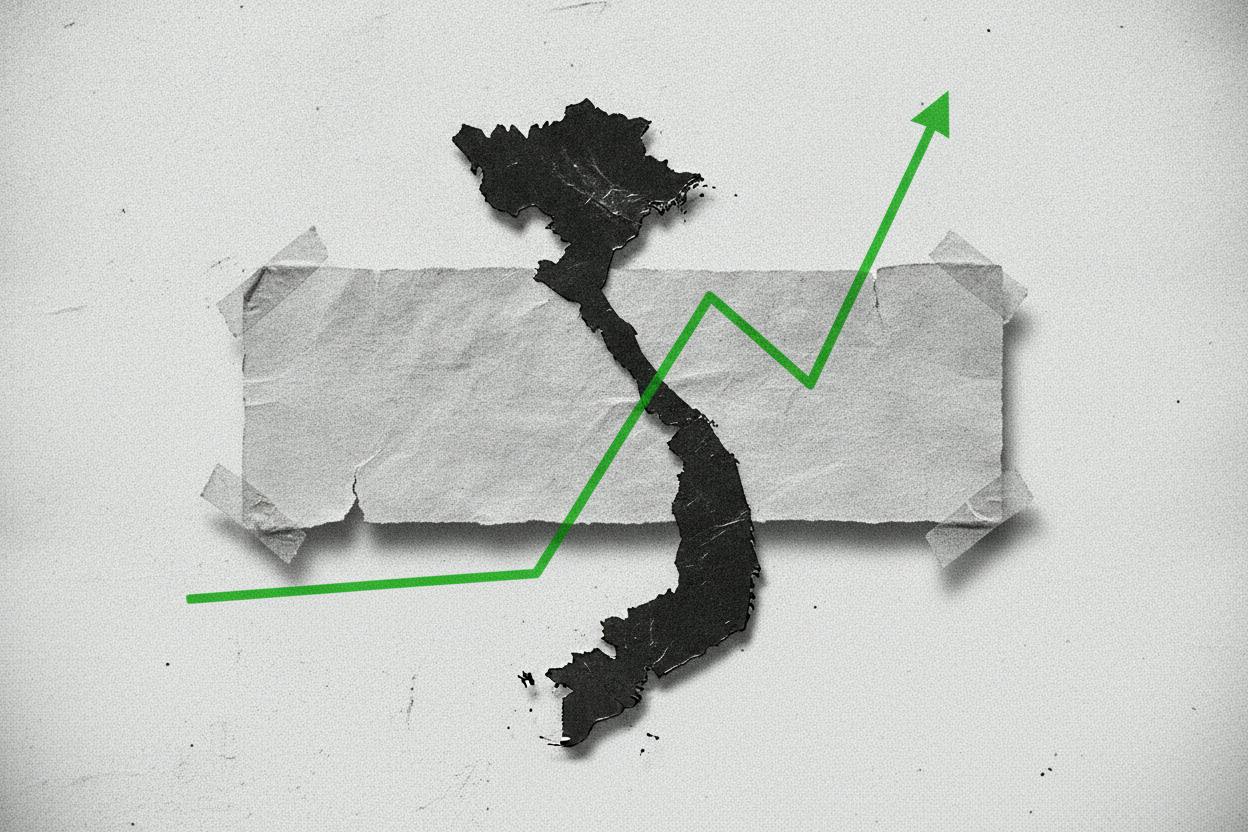
Vietnam's finance ministry is in early discussions with investment banks about selling its first US dollar-denominated sovereign bond in more than ten years, according to a Reuters report on Tuesday. The proposed deal would be a 10-year note worth between $500 million and $1 billion, with banks floating a coupon—the annual interest rate paid to bondholders—of around 7%.
If it goes ahead, the sale would mark Vietnam's return to the international dollar bond market for the first time since it issued a $1 billion 10-year note in 2014. The government is reportedly looking to raise fresh funding for large public infrastructure projects, a priority as the country seeks to sustain its rapid economic growth.
Why a dollar bond now?
Vietnam has enjoyed strong economic expansion over the past decade, driven by manufacturing exports and foreign investment. But financing big-ticket infrastructure—such as roads, ports, and power plants—requires substantial capital. While Vietnam has a domestic bond market, tapping international investors in US dollars can provide access to deeper pools of capital and longer-term funding.
The timing is notable. Global interest rates have been elevated after a period of aggressive tightening by major central banks, including the US Federal Reserve. That means new dollar debt is more expensive than it was a decade ago. A coupon near 7% is significantly higher than what many developed-market governments pay, but it reflects the risk premium investors demand for emerging-market debt.
Vietnam's credit rating has improved over the years, but it remains below investment grade at some agencies, which also influences the yield investors expect. The government will be watching market conditions closely; if demand is weak or rates spike, it could delay or scale back the sale.
What does this mean for investors?
For everyday investors, this is a story about how countries borrow money and what that signals about their economic health. A sovereign bond is essentially a loan that investors make to a government. When a country like Vietnam issues a dollar bond, it is borrowing from international investors, who in turn receive regular interest payments and the promise of repayment at maturity.
The 7% coupon is attractive compared to yields on US Treasuries or many corporate bonds, but it comes with higher risk. Currency fluctuations, political stability, and the government's ability to repay all factor into the equation. For investors in mutual funds or exchange-traded funds that hold emerging-market debt, a new Vietnamese bond could become part of their holdings, potentially boosting yields but also adding risk.
For Vietnamese citizens, the bond sale could indirectly affect them through government spending on infrastructure, which may create jobs and improve public services. However, it also adds to the country's external debt, which must be serviced in dollars—a burden that can become heavier if the local currency weakens.
Broader context in Asian markets
Vietnam's move comes amid shifting dynamics in Asian currency and bond markets. The US dollar has been firm, partly due to expectations of Fed policy, which has pressured other currencies. For example, the Indian rupee has been hovering near 96 as the central bank sells dollars to counter oil prices and yield pressures. Similarly, Australian and New Zealand dollars slipped as traders awaited the Fed's rate decision.
Vietnam's dollar bond would be part of a broader trend of emerging-market governments seeking external financing. However, it also comes at a time when foreign investors are shifting from US Treasuries to stocks, which could affect demand for dollar-denominated debt. If investors are more interested in equities, Vietnam may need to offer a higher coupon to attract buyers.
In the region, Hong Kong has been positioning itself as a hub for ASEAN finance and offshore yuan, as outlined in its 2026-2030 plan. Vietnam's bond sale could be seen as another step in the region's financial integration, though it is primarily a domestic funding decision.
What to watch next
Investors will be watching for official confirmation from Vietnam's finance ministry, as well as details on the bond's final size, maturity, and coupon. The government may also consider other funding options, such as loans from multilateral institutions or domestic bond issuance, depending on market conditions.
For now, the 7% coupon is just a preliminary figure—banks often float different numbers during early discussions, and the final rate will depend on investor demand at the time of pricing. If global risk appetite remains strong, Vietnam could secure a lower coupon; if not, it may have to pay more or postpone the sale.
For the average investor, this story underscores the importance of understanding how government borrowing affects markets and economies. While a single bond sale may not move global markets, it is a signal of Vietnam's ambitions and its willingness to engage with international capital markets. As always, diversification and a long-term perspective are key when considering exposure to emerging-market debt.