SoftBank is making a bold move to solve one of the biggest challenges facing its artificial intelligence ambitions: finding enough electricity. According to a Bloomberg report, CEO Masayoshi Son told shareholders that the group's telecom unit has proposed becoming the next owner of Tokyo Electric Power Co. (TEPCO), Japan's largest utility, to secure power for domestic data center construction.
Why Power Matters for AI
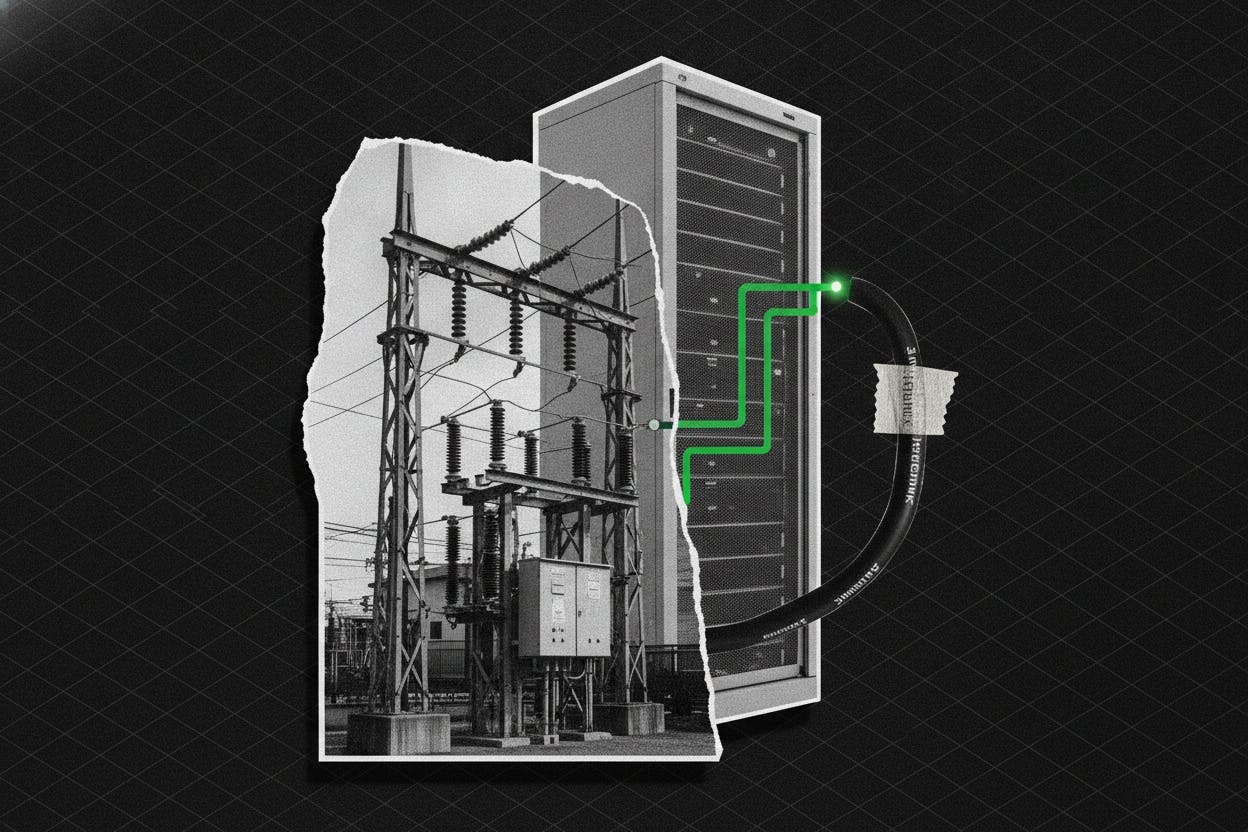
AI data centers are massive consumers of electricity. They need not only advanced chips and real estate but also large, reliable power supplies and grid connections that arrive on time. This makes electricity a "binding constraint" — a hard limit that can slow or shrink projects even when demand is strong. Without guaranteed access to power, even the most ambitious AI plans can stall.
SoftBank's proposal reflects a growing trend: tech companies are increasingly looking to control their energy sources. In the U.S., for example, Chevron's 2.7 GW Project Kilby is set to power Microsoft data centers in West Texas, and Hyperscale Data's Montana power boost hinges on a 2031 transmission line. These deals show that securing electricity is becoming as important as securing chips.
What SoftBank's Proposal Means
Son's pitch is that owning or controlling a utility could turn energy from a variable operating cost into a planning advantage. If SoftBank had influence over TEPCO, it could potentially coordinate long-term supply contracts, prioritize grid upgrades, and align generation and transmission investment with its own data center build schedule. This could reduce project "execution risk" by making power availability and pricing more predictable.
For TEPCO, the proposal highlights how the AI buildout is reshaping capital spending. More money would likely flow into transmission lines, substations, and generation planning, with greater scrutiny on how quickly that work happens. TEPCO declined to comment, according to Bloomberg.
What It Means for Investors
This story is less about near-term AI excitement and more about whether SoftBank can deliver data centers on schedule. When grid access is the bottleneck, investors tend to focus on permitting, connection queues, and multiyear capital expenditure plans rather than server demand. If SoftBank ends up with real influence over TEPCO, it could reduce execution risk, but it also pulls TEPCO's investment choices into the spotlight. The utility's spending priorities would start to look like part of Japan's AI infrastructure supply chain.
For everyday investors, this underscores a broader theme: the AI boom is not just about software and chips. It's also about physical infrastructure — land, power, and grid connections. Companies that can secure these inputs may have a competitive edge, while those that cannot may face delays. The deal also highlights the growing intersection of tech and energy sectors, which could create opportunities in utilities, grid equipment makers, and renewable energy providers.
SoftBank's move comes as other tech giants are also scrambling for power. South Korean chip stocks surged after Micron's $22 billion AI signal, showing how demand for AI hardware is driving investment. But without reliable electricity, even the best chips are useless.
What to Watch Next
Investors should watch for regulatory approvals, as any deal involving a major utility like TEPCO would likely face scrutiny from Japanese authorities. Also keep an eye on TEPCO's capital expenditure plans and grid upgrade timelines. If SoftBank gains influence, those plans could accelerate, benefiting companies that supply grid equipment and construction services.
In the meantime, the broader market is also reacting to other economic signals. Australia's hot jobs data revived rate hike fears, while Indian stocks are poised for gains as oil drops. But for AI-focused investors, the SoftBank-TEPCO story is a reminder that the next frontier of AI investment may be in the power grid itself.