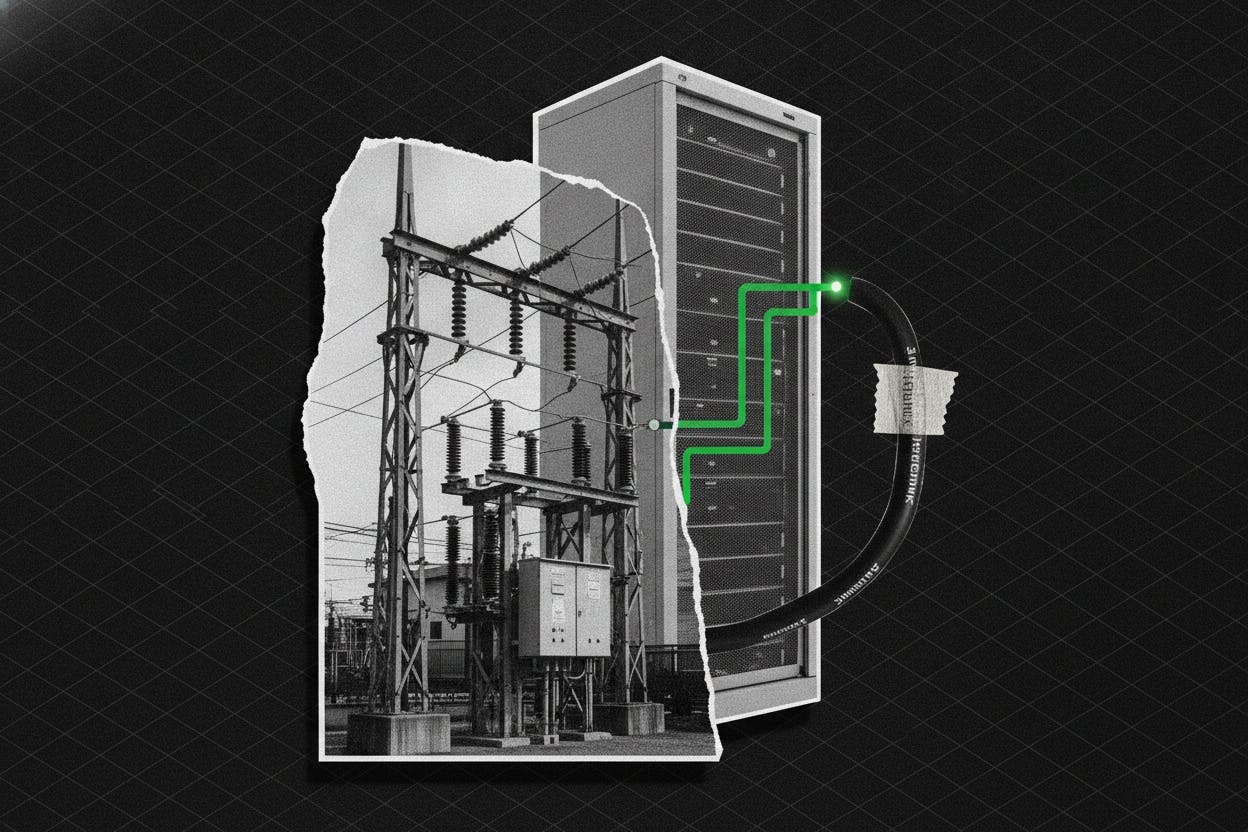
Chevron is stepping into the power business in a big way. The oil and gas giant is building Project Kilby, a 2.7-gigawatt power project in West Texas, to supply electricity directly to Microsoft's data centers in the region. According to a note from UBS Securities, the project is structured as a phased, modular build, meaning Chevron can add capacity over time if Microsoft's energy needs grow.
The key detail is the contract structure: a 20-year "behind-the-meter" agreement. That means the power is delivered directly to Microsoft's facilities, bypassing the wholesale electricity grid. For a project of this scale, that distinction matters a lot.
What Is Behind-the-Meter Power?
Most large power plants sell electricity into the open grid, where prices can swing wildly based on demand, weather, and fuel costs. A behind-the-meter deal, by contrast, locks in a long-term customer at a negotiated price. That removes much of the revenue uncertainty that typically makes big power projects risky to finance.
UBS notes that because the cash flows are tied to a blue-chip customer like Microsoft rather than spot power prices, lenders can underwrite the contract itself. That can lower financing costs and make the project more "bankable" — a term investors use to describe projects that can attract debt on favorable terms.
Chevron has said Project Kilby fits within its existing capital spending guidance, suggesting the company sees this as a scalable new line of business rather than a one-off experiment. Over time, UBS says, the project could generate meaningful free cash flow.
Why This Matters for Investors
For Chevron shareholders, the appeal is diversification. The company's core business is tied to oil and gas prices, which are notoriously volatile. A long-term power contract with a fixed customer base offers a different kind of earnings stream — more like an infrastructure utility than a commodity producer.
UBS points out that if the project is truly modular, Chevron can add megawatts under the same long-duration demand without needing a permanent boom in electricity prices. That could make the emerging power unit look more like infrastructure-style cash flow, which markets often value at higher multiples than oil-field earnings.
The broader context is the surging demand for electricity from data centers, especially those powering artificial intelligence and cloud computing. Microsoft, like other tech giants, is racing to secure reliable power for its expanding data center footprint. This trend has also been highlighted in other deals, such as Hyperscale Data's Montana power boost, which depends on a transmission line expected by 2031.
What to Watch Next
Investors will be watching for signs that Chevron can replicate this model. If Project Kilby proves successful, the company could pursue similar behind-the-meter deals with other large electricity consumers. The modular design also gives Chevron flexibility to scale up without committing to a massive upfront investment.
Another factor is the competitive landscape. Other energy companies are also eyeing the data center power market, and tech firms are exploring everything from nuclear to renewable sources. Chevron's advantage may be its ability to combine gas-fired generation with long-term contracts, offering reliability that intermittent renewables can't always guarantee.
For now, UBS's analysis suggests that Project Kilby is a well-structured bet on steady demand rather than volatile prices. If that thesis holds, it could become a template for how oil majors pivot into the power sector — and a new source of returns for their investors.