Chevron has caught the attention of investors after UBS, a global investment bank, highlighted a major power project called Kilby. The 2.67-gigawatt facility, developed with energy firm Joulent, will supply electricity to a Microsoft data center under a 20-year agreement. This deal marks a significant step for Chevron into the world of large-scale, behind-the-meter power generation, a model that could reshape how the energy giant is valued by the market.
What Is Behind-the-Meter Power?
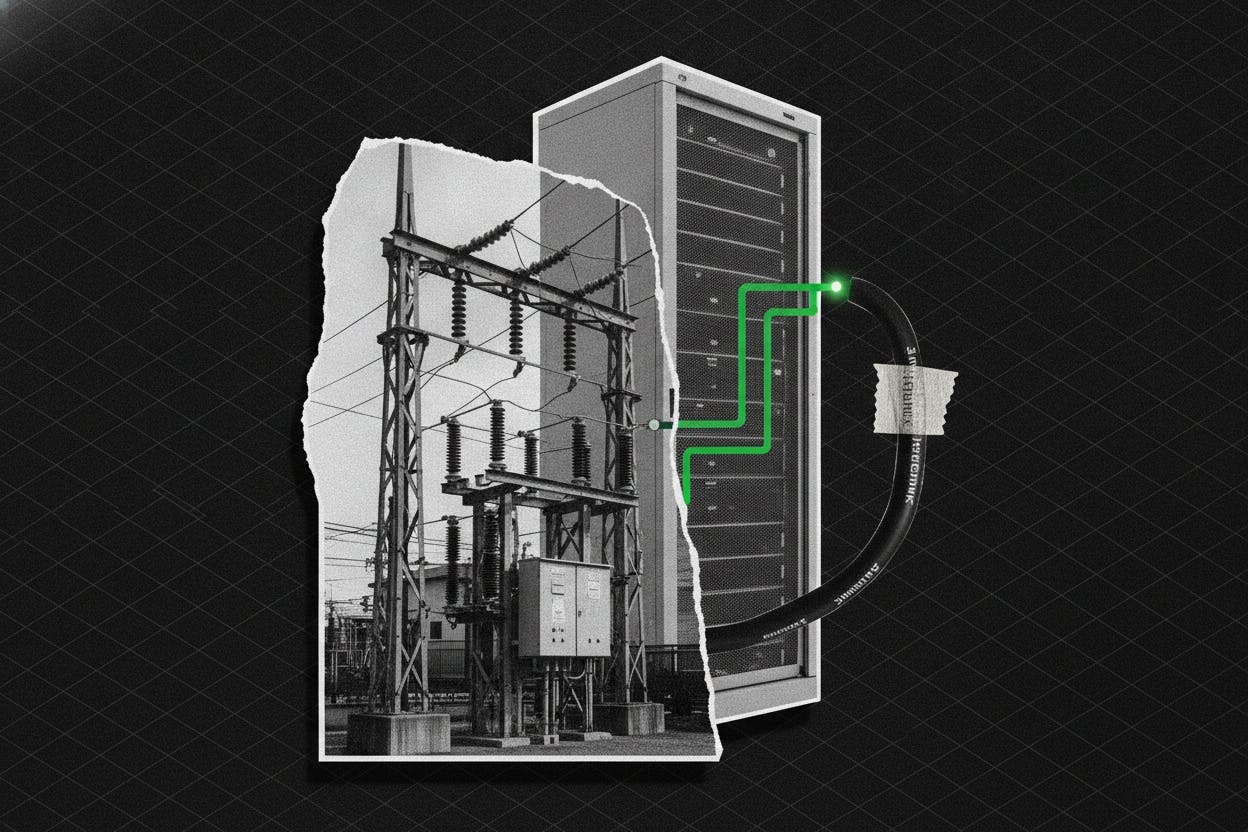
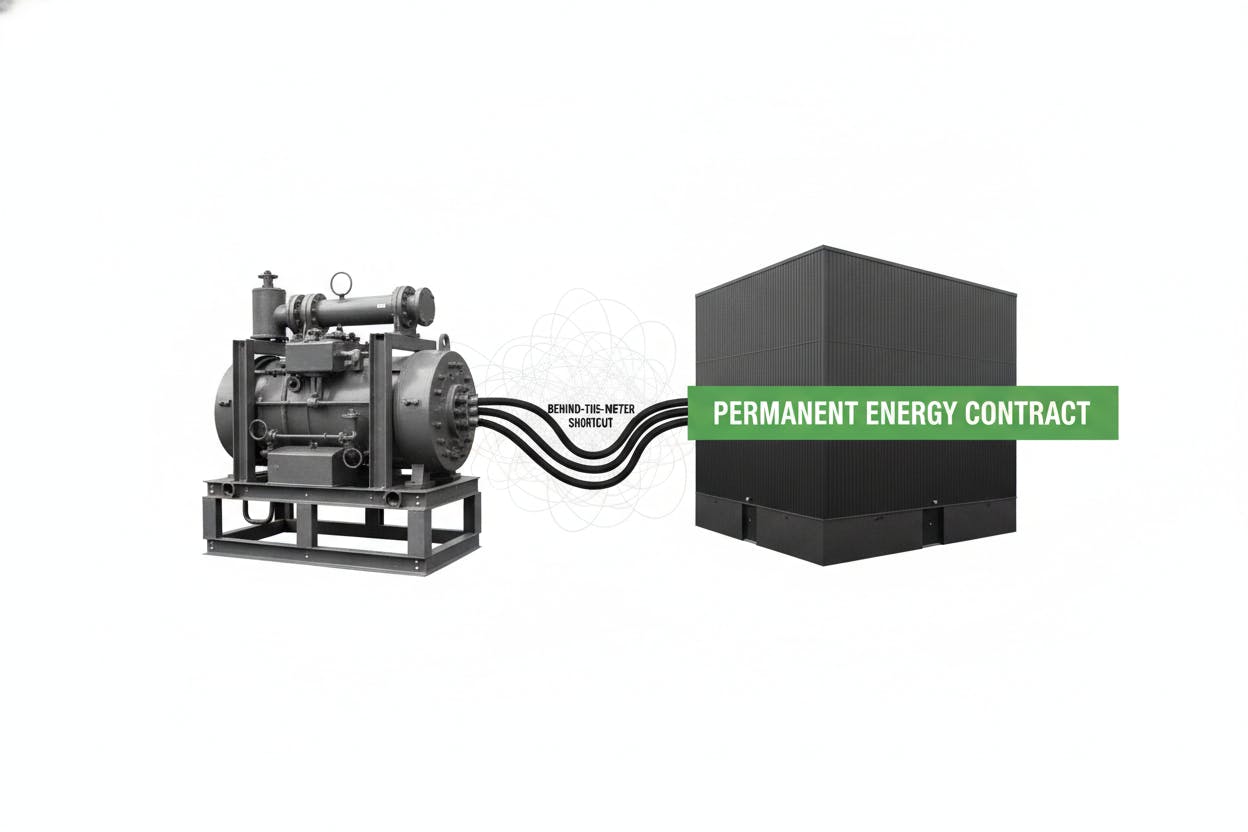
Behind-the-meter projects connect a generator directly to a customer's site, bypassing the traditional power grid. This setup avoids the long waits and costs associated with building new transmission lines, making it attractive for big electricity users like data centers. For Chevron, it means locking in a reliable buyer for two decades, turning a portion of its earnings into something more predictable than typical oil and gas profits.
UBS believes Kilby could be one of the largest behind-the-meter builds to date. The structure of the deal is as important as its size. A 20-year offtake agreement—a contract to buy the electricity output—can make Chevron's revenue stream look more like a utility's: steadier and less tied to the daily swings of commodity prices. This shift could appeal to investors who prefer stable cash flows over the volatility of energy markets.
Big Tech's Growing Appetite for Power
The deal comes as tech giants like Microsoft ramp up their investments in artificial intelligence and cloud computing, which require enormous amounts of electricity. Data centers are energy-hungry facilities that need reliable, round-the-clock power. Microsoft's $2.5 billion AI push underscores the scale of this demand. By securing a dedicated power source, Microsoft can ensure its operations run smoothly without straining local grids.
This trend is not isolated. Other energy companies are also moving to meet Big Tech's needs. For example, a consortium led by Aecon recently won a C$4 billion contract to build a gas plant in Alberta to power data centers. These projects highlight a growing intersection between the energy and technology sectors, where long-term power contracts become a key part of the digital economy's infrastructure.
What It Means for Investors
For Chevron shareholders, the Kilby project could be a game-changer. UBS argues that when revenue is contracted for decades, investors often apply a lower risk premium—the extra return they demand for uncertainty. This can support a higher valuation multiple for that slice of earnings compared to profits tied to volatile oil and gas prices. If Chevron can replicate similar behind-the-meter deals with other large customers, the payoff could show up gradually in how the company is valued.
Over time, this could narrow Chevron's valuation gap versus other global oil majors that are still judged mostly on their upstream oil and gas exposure. The market argument is about valuation, not just megawatts. The stability of a 20-year contract with a blue-chip customer like Microsoft could make Chevron's earnings stream more attractive to a broader range of investors, including those who typically favor utility stocks.
However, investors should note that this is still a nascent strategy for Chevron. The success of Kilby will depend on execution, including construction timelines, cost management, and the ability to secure similar deals. If the model proves repeatable, it could signal a strategic shift for energy majors: they are no longer just selling fuels but also competing to be long-duration power suppliers for the digital economy.
Broader Market Context
The Kilby deal also reflects a broader trend in energy markets. As the world transitions to cleaner energy sources, natural gas—which will likely power the Kilby project—is seen as a bridge fuel. It provides reliable baseload power that can complement intermittent renewables like solar and wind. For data centers, which cannot afford downtime, this reliability is crucial.
Meanwhile, the push for AI and cloud computing is driving massive investments in data center infrastructure globally. BDx Data Centers is exploring an IPO to fund AI-driven expansion in Asia, highlighting the sector's growth. This demand for power is creating opportunities for energy companies to diversify their revenue streams beyond traditional oil and gas.
For everyday investors, the key takeaway is that Chevron's Kilby project represents a potential shift in how the company generates earnings. While oil and gas will remain core to its business, long-term power contracts could provide a more stable income stream. This could make Chevron a more resilient investment over time, especially if energy prices remain volatile.
As always, investors should watch for updates on the project's progress and any additional deals Chevron may announce. The Kilby project is a reminder that the energy and tech sectors are becoming increasingly intertwined, creating new opportunities—and risks—for those who invest in them.