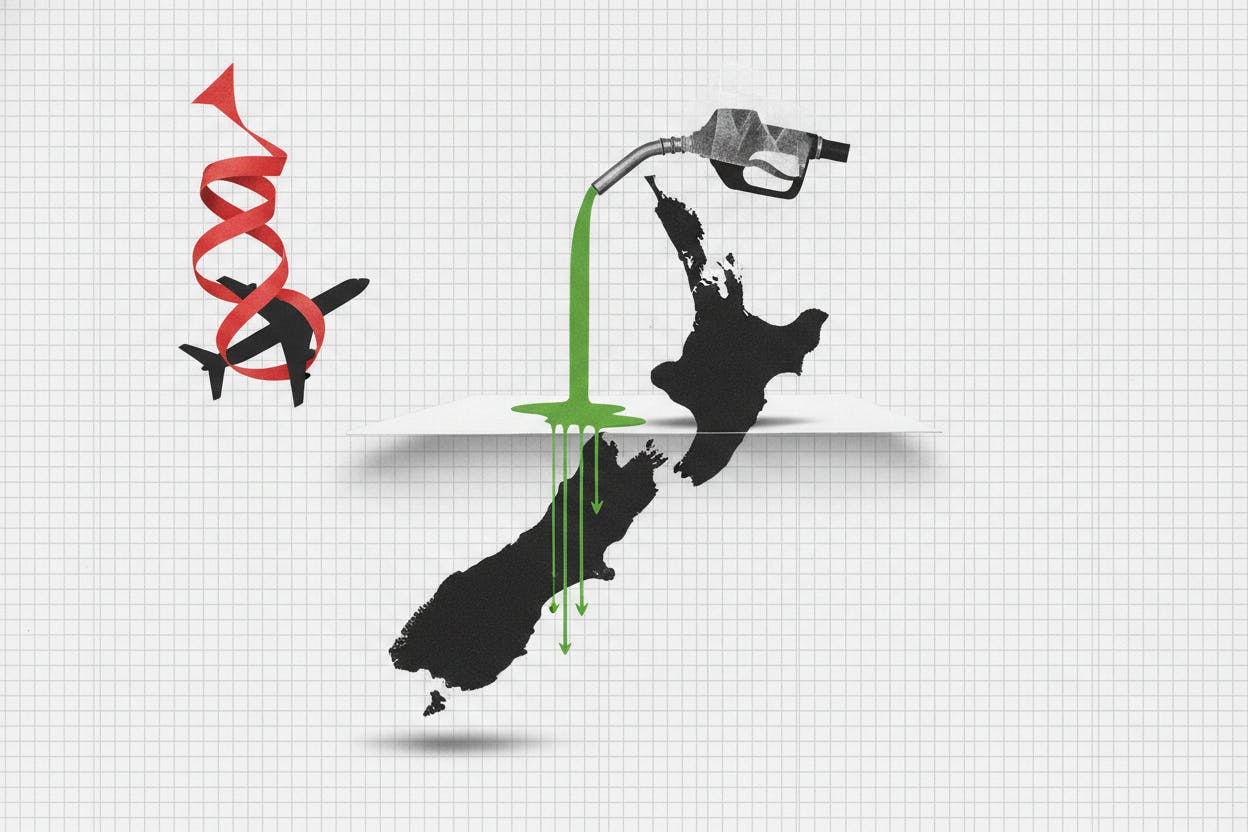
New Zealand motorists saw some relief at the pump in July, as official data showed petrol prices fell 5.7% and diesel dropped more than 12% compared with June. The decline marks the third consecutive monthly fall in fuel prices, according to Statistics New Zealand (Stats NZ), leaving both fuels below their March levels.
Still, the reprieve is relative. Over the past year, petrol prices are up more than 15% and diesel has climbed nearly 35%, underscoring how much energy costs have risen over the longer term. The monthly drop, while welcome, does not erase the broader inflationary pressure that has squeezed household budgets.
What the data shows
Stats NZ's selected price indexes, released on Tuesday, highlighted the divergence in transport costs. While fuel fell, airfares jumped, adding to travel expenses for consumers. The mixed picture reflects the uneven nature of price movements across the economy.
Food prices, meanwhile, were nearly flat in July, rising just 0.1% month on month. That modest increase came as higher fruit and vegetable costs offset cheaper meat and poultry. Annual food inflation has slowed, offering some comfort to households that have faced steep grocery bills over the past couple of years.
The fuel price decline is likely tied to global oil market trends. Crude oil prices have been volatile, influenced by supply decisions from major producers, demand expectations, and broader economic conditions. When international crude prices fall, local fuel prices often follow, though the pass-through can be delayed by exchange rates and refining costs.
Why fuel prices matter
Fuel is a key component of household spending and a major driver of inflation. When petrol and diesel prices rise, they push up transport costs, which can ripple through the economy as businesses pass on higher expenses to consumers. Conversely, falling fuel prices can help cool inflation and ease pressure on central banks.
For New Zealand, the Reserve Bank has been focused on bringing inflation back to its target range. Lower fuel prices could support that effort, though the central bank also watches broader price pressures, including housing and services. In a related move, the central bank recently held mortgage lending limits steady, suggesting it is taking a cautious approach to financial stability.
The manufacturing sector, a key part of the economy, has also shown resilience. Factory growth cooled in July but remained in expansion, indicating that businesses are still operating despite cost pressures.
What it means for investors
For everyday investors, the drop in fuel prices is a double-edged sword. On one hand, lower fuel costs can boost consumer spending power, potentially supporting retail and travel-related stocks. On the other hand, energy companies and fuel retailers may see their margins squeezed if they cannot pass on lower costs to consumers.
Investors should also consider the broader implications for inflation. If fuel prices continue to fall, it could reduce the need for aggressive interest rate hikes, which would be positive for bond prices and growth-oriented stocks. However, the annual increase in fuel prices remains high, so the relief is not yet a clear trend.
Global markets have been reacting to similar dynamics. For instance, Asian stocks posted their best week in two months as US inflation cooled, reflecting optimism that price pressures are easing. Closer to home, gold pulled back from a two-month high as investors adjusted their expectations for Federal Reserve policy.
For New Zealand investors, the fuel price data is a reminder that commodity prices can be volatile and have wide-ranging effects. While the monthly decline is good news for drivers, the year-on-year increases show that energy costs remain elevated. Keeping an eye on global oil markets and domestic inflation data will be key to understanding where prices head next.
In the meantime, the mixed signals—lower fuel but higher airfares, flat food prices but rising produce costs—highlight the complexity of the current economic landscape. For households, the July data offers a small measure of relief, but the broader cost-of-living pressures are far from over.