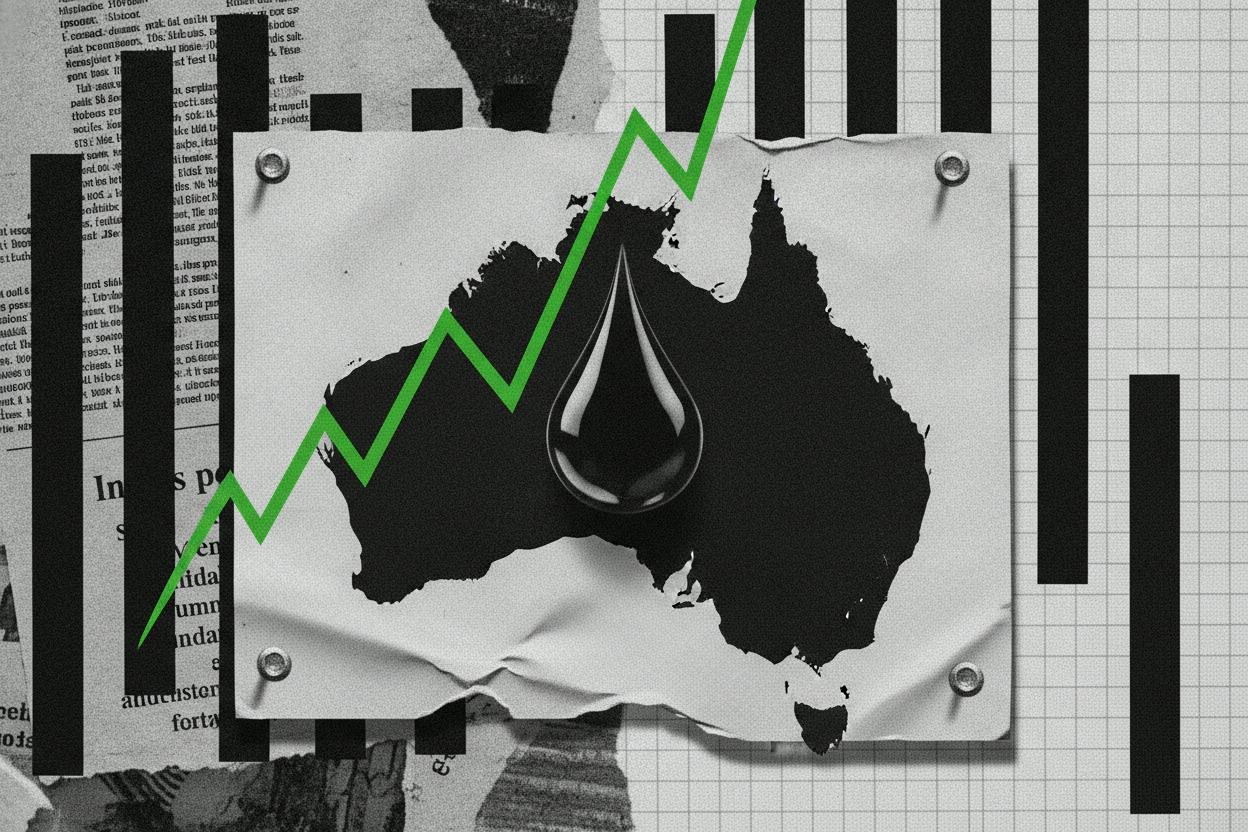
Oil prices surged overnight, and Australian shares look set to open higher as a result. Brent crude, the global benchmark, climbed more than $4 a barrel following fresh troop movements in the Middle East and a decision by China to pause fuel exports. The jump marks a sharp reversal in sentiment after Australia's benchmark index fell nearly 2% on Thursday.
The combination of geopolitical tension and a supply-side shift from one of the world's largest fuel producers was enough to jolt energy markets. For Australian investors, the move cuts both ways: it supports the local energy sector but also threatens to feed through to fuel, freight and airline costs, keeping pressure on inflation.
Why oil moved so sharply
Two forces drove the overnight rally. First, reports of troop movements in the Middle East raised concerns about the security of supply routes in a region that accounts for a large share of global crude exports. Markets tend to price in a risk premium when tensions flare in oil-producing areas, because any disruption to shipping or infrastructure can tighten supply quickly.
Second, China's decision to pause fuel exports removes a source of refined product from the global market. China is a major exporter of gasoline, diesel and jet fuel, so even a temporary halt can shift the supply-demand balance, particularly in Asia. When a large supplier steps back, buyers often have to look further afield, pushing prices higher.
Neither development changes the long-term picture on its own, but together they were enough to trigger a sharp move. Oil markets are notoriously sensitive to headlines, and traders often react first and assess the details later.
What it means for Australian shares
The Australian market has a complicated relationship with oil. On one hand, the S&P/ASX 200 includes large energy companies that benefit directly from higher crude prices. When oil rises, their revenues and earnings prospects tend to improve, and their shares often outperform.
On the other hand, higher oil prices act like a tax on the rest of the economy. Fuel is a major input for transport, logistics and aviation, and those costs eventually get passed on to consumers. That can keep inflation stickier for longer, which matters because the Reserve Bank of Australia has been navigating a delicate path between controlling prices and supporting growth.
Investors will be watching how the energy sector responds at the open, but also whether the broader index can hold onto gains. If oil stays elevated, sectors like airlines and consumer discretionary could come under pressure, while energy producers may attract buying interest.
The inflation angle
Australia's central bank has repeatedly flagged that it is watching global energy prices as part of its inflation assessment. A sustained rise in crude feeds into petrol prices at the pump, which show up directly in the consumer price index. That can complicate the case for interest rate cuts, even if other parts of the economy are cooling.
For everyday investors, this is a reminder that oil is not just a commodity story. It connects geopolitics, supply chains and monetary policy. A spike in crude can ripple through mortgage rates, currency markets and household budgets.
What to watch next
The durability of the oil move will depend on whether the Middle East situation escalates further and how long China's export pause lasts. If tensions ease or China resumes exports quickly, the risk premium could fade just as fast as it appeared.
Australian investors should also keep an eye on the Australian dollar, which often moves with commodity prices. A stronger currency can soften the impact of higher oil prices for local consumers, while a weaker one amplifies it.
For now, the overnight jump has given the local market a reason to rebound after Thursday's selloff. But the same force lifting energy stocks could weigh on other parts of the index, making for a mixed session rather than a uniform rally.
As always, the key is not to overreact to a single day's move. Oil is volatile, and headlines can reverse quickly. What matters for long-term investors is how these developments feed into earnings, inflation and interest rates over the coming months.