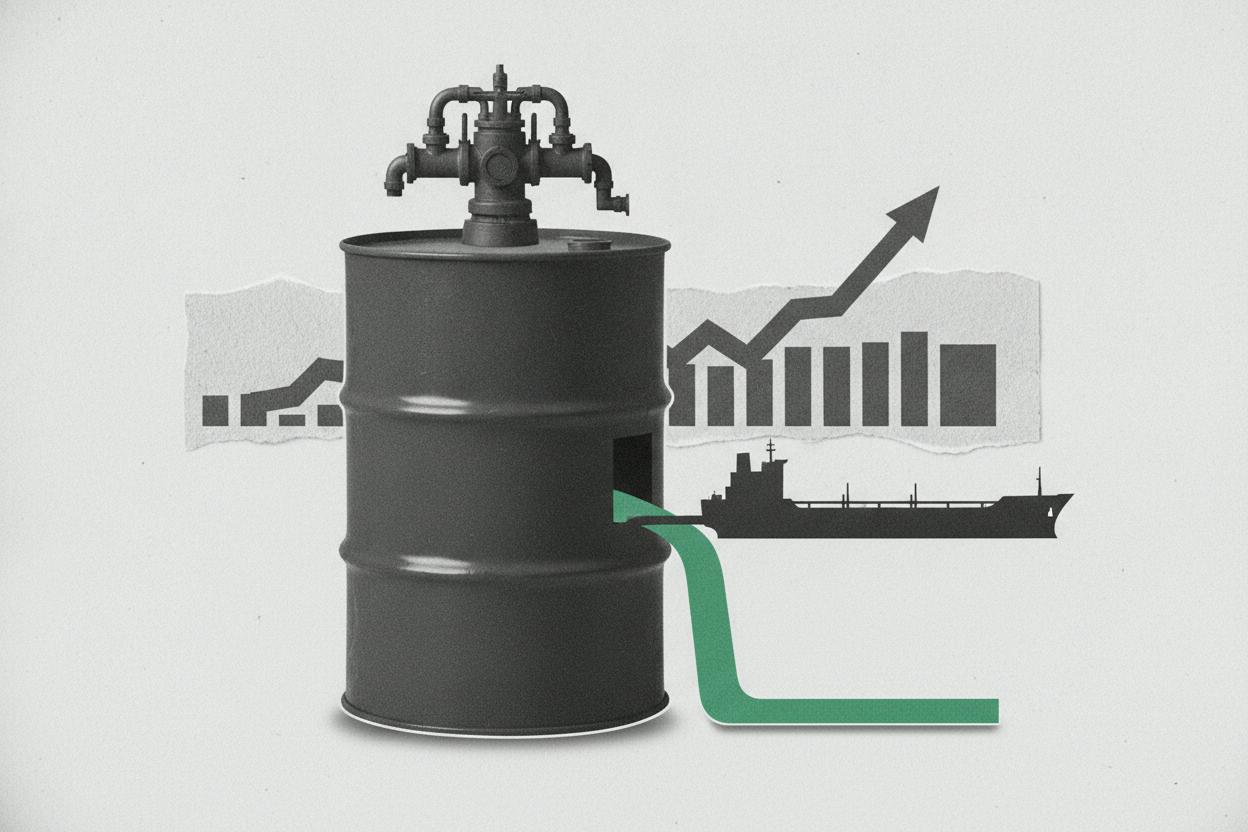
Oil prices took a breather in early Asian trading on Thursday, with Brent crude holding near $98 a barrel and US benchmark West Texas Intermediate (WTI) staying around $90. The pause follows a roughly $1 gain on Wednesday, as traders weighed two opposing forces: geopolitical tensions that could tighten supply, and a clearer near-term reality that more crude is leaving the Gulf region.
What's driving the market?
The immediate catalyst for the cooling was a rebound in Gulf exports. Saudi Arabia restarted tanker loadings at Yanbu, its Red Sea terminal, after resuming flows through its East-West Pipeline. That move eased concerns about bottlenecks that had been supporting prices in recent sessions. The pipeline, which runs from the kingdom's eastern oil fields to the western coast, is a key route for crude that bypasses the Strait of Hormuz.
At the same time, talks between the United States and Iran over a nuclear deal appear to have stalled. Investors had been watching those negotiations closely because a successful deal could bring Iranian barrels back to the market, adding to global supply. The lack of progress keeps that potential supply increase off the table for now, which is why prices haven't fallen further.
Goldman Sachs, a global investment bank, estimated that Gulf exports recovered to 23.3 million barrels a day over the recent period, according to the brief. That figure underscores the market's improved supply picture, even as geopolitical risk premiums remain elevated.
Why does this matter for investors?
For everyday investors, oil prices are more than just a headline number. They feed directly into the cost of gasoline, heating, and a wide range of goods that rely on transportation. When crude rises, inflation pressures tend to build, which can influence central bank policy and, in turn, stock and bond markets.
The current standoff between supply and geopolitics is a classic example of how oil markets can swing on news. A breakthrough in US-Iran talks could quickly push prices lower, while any escalation in the region could send them higher. Investors should expect continued volatility, especially with oil prices already climbing in recent sessions.
What to watch next
Traders will be keeping an eye on several factors in the coming days:
- US-Iran negotiations: Any sign of progress or breakdown could move prices sharply.
- Saudi export flows: Whether the Yanbu restart is sustained or faces further disruptions.
- US inventory data: Weekly crude stockpile figures offer a snapshot of demand and supply balances.
- Global demand signals: Economic data from major consumers like China and the US can shift the outlook.
The broader market context is also relevant. European stocks have been sensitive to oil price swings, and energy shares often move in tandem with crude. For investors with exposure to energy stocks or commodities, the current environment offers both opportunities and risks.
What it means for your portfolio
For most investors, the takeaway is not to overreact to daily oil price moves. Instead, consider how sustained changes in energy prices might affect your broader holdings. Higher oil can boost energy company profits but hurt airlines, shipping firms, and consumer discretionary stocks. It can also influence inflation expectations, which affect bond yields and the discount rate used to value stocks.
If you hold a diversified portfolio, these cross-currents are already built in. But if you're considering adding energy exposure, it's worth remembering that oil prices are notoriously hard to predict, and geopolitical events can cause sudden reversals. As always, focus on your long-term goals rather than short-term market noise.
For those interested in related trends, copper prices have also been moving on global demand signals, and Asian markets are reacting to currency and yield moves. These are all pieces of the same puzzle: how the global economy is adjusting to higher energy costs and shifting trade flows.
In the near term, expect oil to remain range-bound until there's clarity on either the Iran talks or the durability of the Gulf supply rebound. Until then, every headline has the potential to move prices, and investors should buckle up for a bumpy ride.