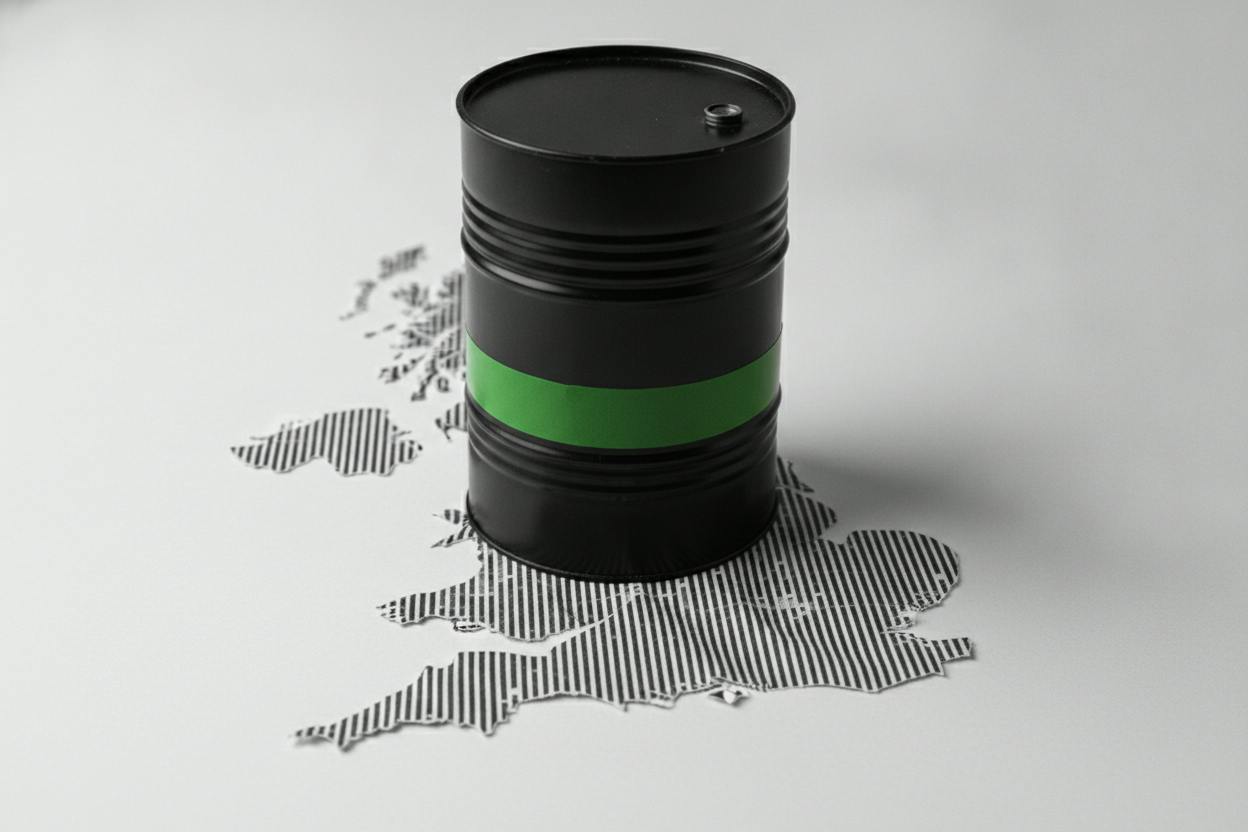
European stocks slipped on Wednesday, with the pan-continental Stoxx Europe index down 0.4%, after fresh data showed the UK economy lost a bit of momentum in the second quarter. At the same time, oil prices continued their upward march, adding to investor caution.
The decline was fairly broad across the region. Germany's DAX fell 0.7%, France's CAC 40 slid 0.9%, the UK's FTSE 100 dipped 0.2%, and Switzerland's market dropped 0.4%. The moves suggest that worries about slowing growth and rising energy costs are weighing on sentiment across Europe.
UK growth cools but remains positive
The trigger for the sell-off was the latest reading on the UK economy. The Office for National Statistics reported that gross domestic product (GDP) grew 0.5% in the second quarter, down from 0.6% in the first quarter. On a year-over-year basis, output was still 1.4% higher than a year earlier.
That combination—positive but decelerating growth—signals an economy that is still expanding but losing some steam. For everyday investors, this matters because growth trends influence corporate earnings, interest rates, and ultimately stock prices.
Slower growth can be a double-edged sword. On one hand, it might ease pressure on central banks to keep raising interest rates, which could be supportive for stocks. On the other hand, if growth slows too much, it could hurt company profits and weigh on equity valuations.
Oil prices keep climbing
Adding to the mix, oil prices continued to rise on Wednesday. While the brief doesn't specify the exact level, the persistent climb in crude is a key factor for investors to watch. Higher oil prices can feed into inflation, which in turn affects central bank policy and consumer spending.
For European economies that are net importers of energy, rising oil costs can be a drag on growth. It also puts pressure on companies' margins, especially in sectors like airlines, logistics, and manufacturing, where fuel is a major input.
Investors often look to oil as a barometer for inflation expectations. If prices keep climbing, it could complicate the path for central banks like the European Central Bank and the Bank of England, which are trying to balance inflation control with supporting growth.
What it means for investors
For ordinary investors, the key takeaway is that European markets are navigating a tricky environment. Growth is slowing, but not collapsing, and energy costs are adding to uncertainty.
Diversification remains important. While the broad market fell, some sectors might be more resilient than others. For example, energy companies often benefit from higher oil prices, while consumer discretionary and transport stocks may struggle.
It's also worth noting that the UK's growth revision—up to 0.5% from an earlier estimate—could have implications for the pound and interest rate expectations. As we've seen in recent currency moves, stronger growth data can boost the pound and raise bets on rate hikes. However, the latest slowdown might temper those expectations.
Investors should keep an eye on upcoming economic data and central bank communications. The path of interest rates, inflation, and oil prices will likely drive market direction in the coming weeks.
For those with a longer-term perspective, periods of market weakness can be opportunities to review portfolios and ensure they align with risk tolerance and financial goals. But as always, it's important to avoid making impulsive decisions based on short-term market moves.
In summary, Wednesday's slip in European stocks reflects a mix of cooling UK growth and rising oil prices. While the news is not alarming, it underscores the delicate balance the global economy is currently facing.