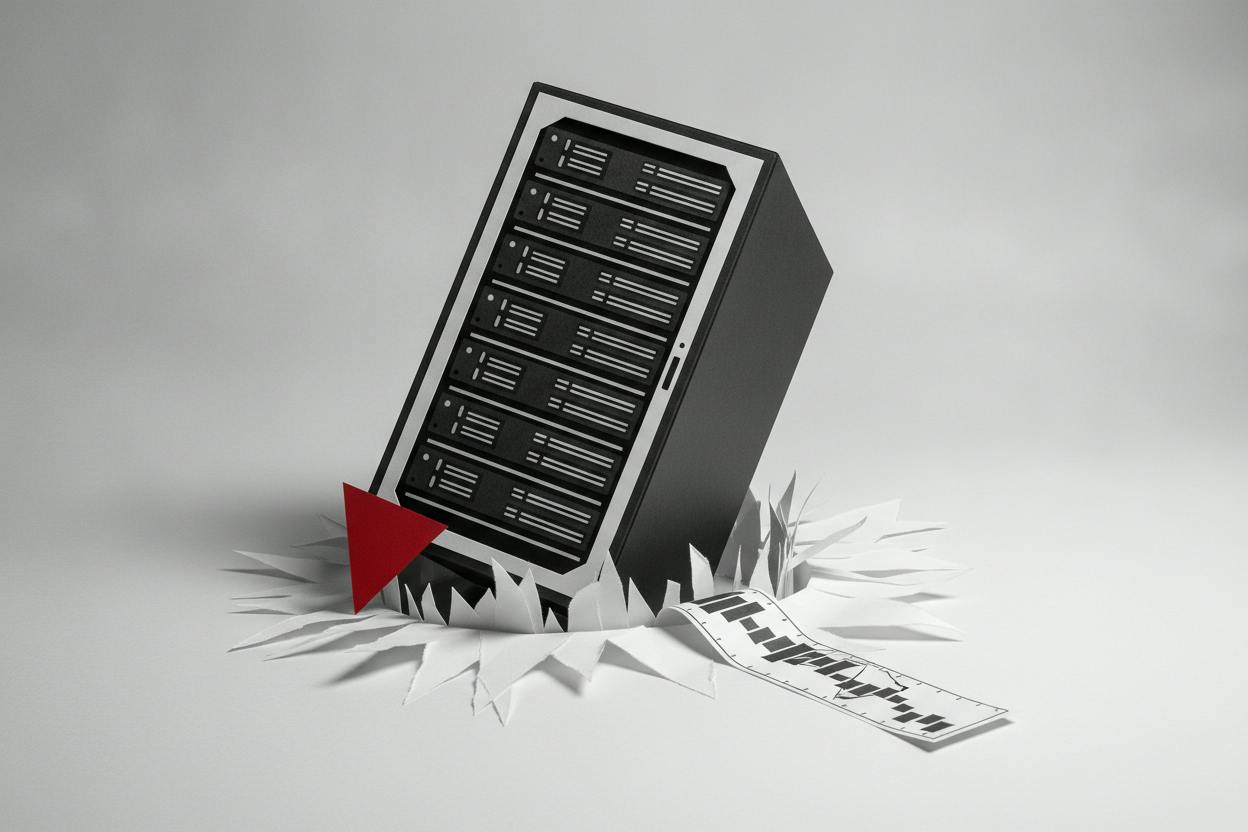
Data center infrastructure firm Accelevation made its Nasdaq debut this week, but the celebration was short-lived. The stock opened at $17.55, 2.5% below its $18 initial public offering (IPO) price, after the company had already priced the deal below its marketed range of $20 to $24. The lackluster first trade is a clear signal that investors are demanding more cushion for the risk of buying brand-new stocks.
What Accelevation does
Accelevation, based in Miamisburg, Ohio, builds the behind-the-scenes hardware that keeps data centers running. That includes power distribution and cooling systems, as well as the crews that install them. As data centers expand to support artificial intelligence and cloud computing, companies like Accelevation are in high demand—but that doesn't always translate into a warm welcome on the public markets.
The company and its selling shareholders raised about $540 million by selling roughly 30 million shares, valuing the business at $3.92 billion. That valuation works out to roughly 8.8 times its projected 2025 revenue of $447.8 million—a benchmark that other issuers in the AI-infrastructure space may have to live with.
What the weak debut means for the IPO market
IPO pricing is as much about confidence as it is about spreadsheets. When a company prices below its marketed range and still trades down, it tells Wall Street that investors are demanding a bigger discount for the risk of a new listing. In plain English, buyers are asking for more upside before they commit cash to a stock they don't yet know well.
That "aftermarket" signal quickly becomes a reference point for the next wave of listings. Banks may need to cut valuations, lower offer prices, or pause deals to avoid another shaky debut. Reuters has described the fall IPO calendar as tentative, with market volatility making companies more cautious about timing. Even within AI-related infrastructure, a few recent stumbles have reminded investors that "AI boom" doesn't automatically mean "easy financing."
The cautious mood is not limited to Accelevation. A flat debut from Elevate Campuses earlier signaled similar investor caution, and the broader market has been weighed down by cooling growth and rising oil prices. For private equity sellers like Olympus Partners, which is looking to exit its stake in Accelevation, a weak aftermarket can make it harder to get attractive valuations for future deals.
What it means for investors
For everyday investors, the takeaway is straightforward: IPOs are riskier than they might appear. The initial price is set by bankers and early investors, but the real test comes when the stock starts trading. A drop below the IPO price doesn't necessarily mean the company is bad—it means the market thinks the price was too high relative to the risk.
Investors should also watch the ripple effects. If IPOs continue to struggle, companies may delay their listings or offer shares at more attractive prices. That could create opportunities for patient investors, but it also signals a broader risk appetite that is cooling. For those considering investing in new listings, it's worth remembering that the first-day pop is never guaranteed—and sometimes the thud is the story.
Accelevation's debut is a reminder that even in hot sectors like AI infrastructure, the market's mood can change quickly. As Jabil's AI data center bet shows, some companies are still finding favor, but the bar for new entrants is rising. The next few weeks will tell whether Accelevation's stumble is an outlier or a sign of a tougher IPO environment ahead.