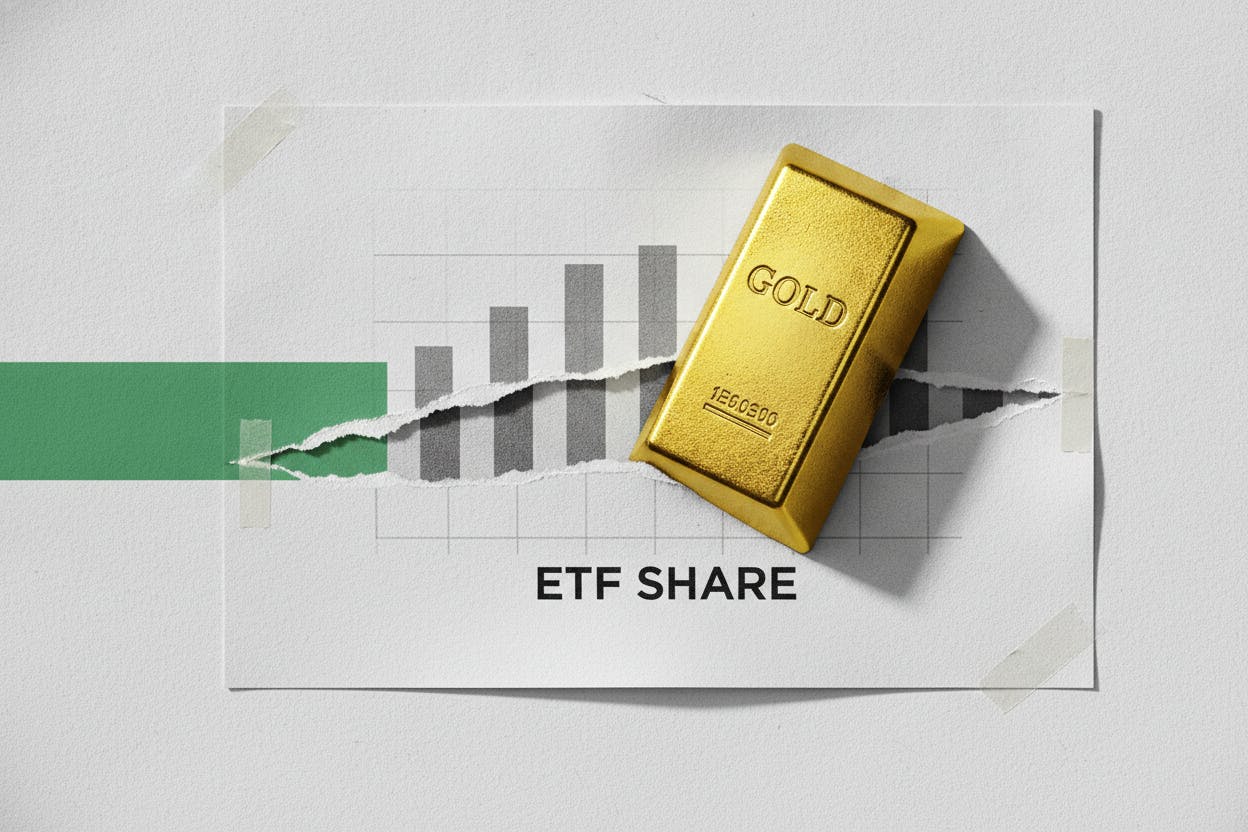
Gold prices slipped on Tuesday as investors locked in gains following a rally that pushed the metal to a two-month high. The pullback came as fresh US inflation data reinforced hopes that the Federal Reserve may hold interest rates steady next month, reducing the appeal of holding non-yielding bullion.
July producer prices were flat, adding to a recent run of mild inflation readings. That has led traders to trim bets on a September rate increase, even as some Fed officials, including Cleveland Fed President Beth Hammack, have signaled they still favor tightening soon. This tug-of-war between inflation data and central bank rhetoric is a familiar driver for gold, which tends to move inversely with interest-rate expectations.
Why gold reacts to rate expectations
Gold pays no interest or dividend, so when cash and bonds offer higher yields, holding bullion becomes less attractive. Conversely, when investors expect rates to stay low or fall, the opportunity cost of holding gold declines, often boosting demand. The recent flat producer price index (PPI) reading, which measures wholesale inflation, has been seen as a sign that price pressures are cooling, potentially giving the Fed room to pause its tightening campaign.
This dynamic was evident in the bond market, where Treasury yields slid following the data, and the dollar softened, both of which typically support gold prices. However, the metal's inability to hold its highs suggests that some investors were eager to take profits after the recent run-up.
Central bank demand remains a key support
Beyond interest-rate speculation, gold's longer-term outlook is being shaped by persistent buying from central banks. Many central banks, particularly in emerging markets, have been diversifying their reserves away from the US dollar and into gold. This structural demand has provided a floor under prices even when rate expectations shift.
Analysts note that while profit-taking can cause short-term dips, the underlying appetite from official institutions is likely to remain a supportive factor. This is part of a broader trend that has seen gold rally over the past year, as geopolitical tensions and concerns about inflation have driven safe-haven flows.
What it means for investors
For everyday investors, the recent pullback is a reminder that gold can be volatile in the short term, even when the long-term trend appears positive. Movements in gold prices are often driven by expectations about central bank policy, and the current environment is one of uncertainty. The Fed's next meeting in September will be closely watched, and any signals about the path of rates could trigger further swings in the metal.
Investors holding gold or gold-related assets should be prepared for continued fluctuations. The metal's performance will likely hinge on whether inflation continues to cool and whether the Fed follows through on its hawkish rhetoric. If the Fed pauses, gold could find renewed support; if it hikes, prices may face headwinds.
It's also worth noting that gold is often used as a hedge against inflation and currency depreciation. With inflation showing signs of easing, some investors may question the need for such a hedge, but central bank buying suggests that official institutions still see value in the metal.
As always, it's important to consider how gold fits into a diversified portfolio. While it can provide stability during market turmoil, it does not generate income and can be subject to sharp price swings. Investors should weigh their own financial goals and risk tolerance before making any decisions.
The coming weeks are likely to bring more clarity on the Fed's intentions, and with it, more direction for gold prices. Until then, the market may remain in a holding pattern, with profit-taking and policy speculation keeping prices range-bound.