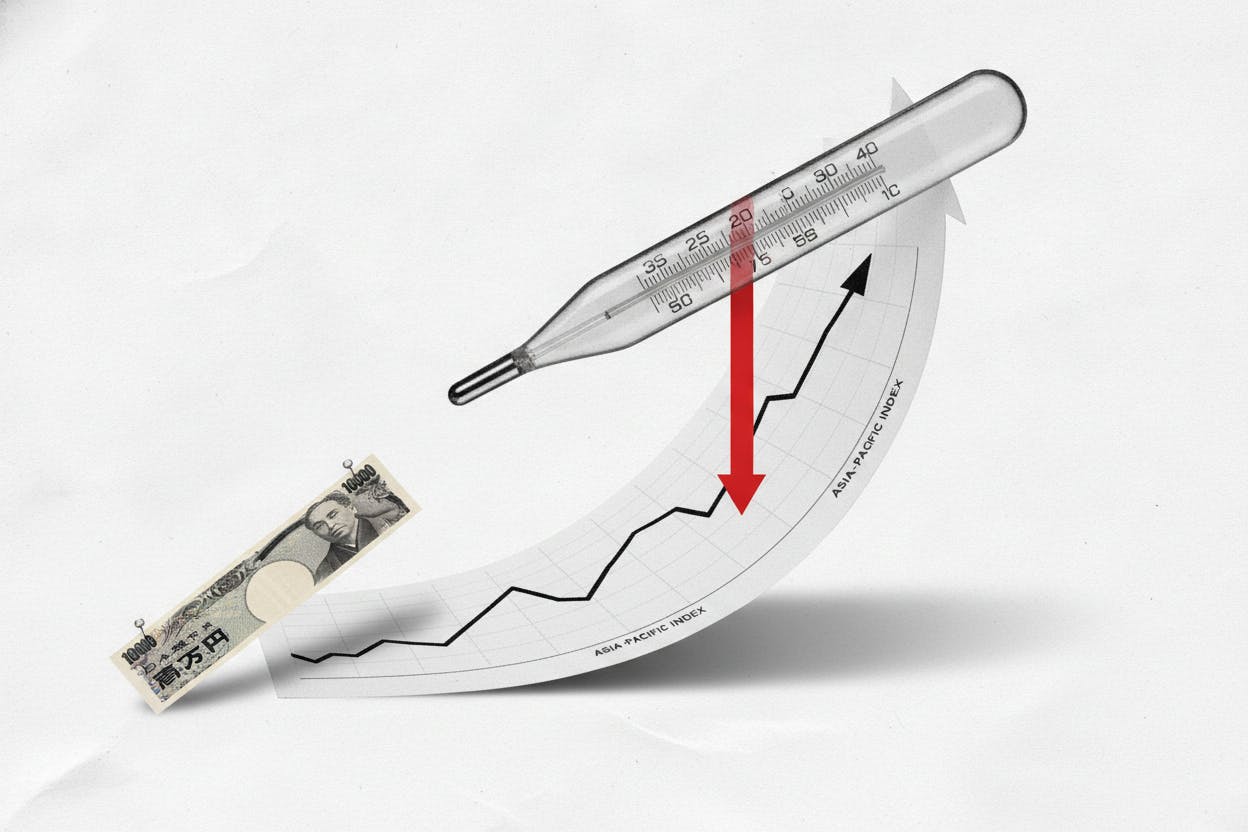
Asian stocks wrapped up their strongest week in two months, buoyed by a cooler-than-expected US inflation reading that led traders to scale back bets on another Federal Reserve interest rate hike next month. The regional rally, however, was tempered by persistent concerns over elevated oil prices and a yen trading near the psychologically important 160-per-dollar level.
What drove the rally?
The catalyst for the week's gains was the latest US inflation data, which came in softer than forecast. For much of this year, global markets have taken their cue from the US inflation story, because it directly influences where the Fed sets interest rates. When inflation appears to be cooling, investors grow more confident that the central bank will hold off on further tightening, which tends to support stock valuations.
According to the CME FedWatch tool, which tracks market expectations for Fed policy, the probability of a rate hike at next month's meeting fell to 35% from 55% a week earlier. That shift helped lift US government bonds, as yields eased, and took some pressure off the US dollar. A softer dollar is generally positive for emerging markets and Asian equities, as it makes their exports more competitive and reduces the burden of dollar-denominated debt.
The positive sentiment was also visible in other markets. For instance, flat producer prices boosted hopes for a Fed pause and contributed to a broader stock rally. Similarly, soft July PPI data pushed the dollar lower and trimmed Fed hike odds, reinforcing the view that inflation pressures are easing across the board.
Why the caution?
Despite the upbeat mood, investors remained wary of two key risks: oil and the yen. Oil prices have been climbing, driven by supply concerns and geopolitical tensions. Higher energy costs can feed into inflation, potentially undoing some of the progress made on the price front. If oil continues to rise, it could force the Fed to reconsider its stance, which would be a headwind for stocks.
Meanwhile, the yen's slide to near 160 per dollar has put traders on alert. A weak yen can boost Japanese exporters' profits, but it also raises import costs and may prompt intervention by Japanese authorities. The currency's decline has been a recurring theme this year, and any sharp moves could unsettle global markets.
These concerns were reflected in other asset classes. For example, gold pulled back from a two-month high as profit-taking met cooler Fed bets, showing that even safe-haven assets are sensitive to the shifting rate outlook. Similarly, Gulf stocks were mixed as Hormuz shipping risks clashed with softer oil demand, highlighting the complex interplay between geopolitics and economic fundamentals.
What it means for investors
For everyday investors, the key takeaway is that the path of interest rates remains the dominant driver of market sentiment. When inflation cools, it raises hopes that the Fed will pause its hiking cycle, which can be supportive for stocks and bonds alike. However, the market is not out of the woods yet. Oil prices and currency moves can quickly change the narrative.
Investors should also note that the Fed's decisions have ripple effects far beyond US borders. Asian markets, in particular, are sensitive to changes in US monetary policy, as they affect capital flows, trade competitiveness, and the cost of borrowing. A pause in hikes could provide a tailwind for emerging markets, but any resurgence in inflation could reverse those gains.
As always, it's important to maintain a diversified portfolio and avoid making impulsive decisions based on short-term market moves. While this week's rally is encouraging, the underlying risks—oil, yen, and inflation—remain. Keeping an eye on upcoming economic data and central bank communications will be crucial for investors looking to navigate the months ahead.