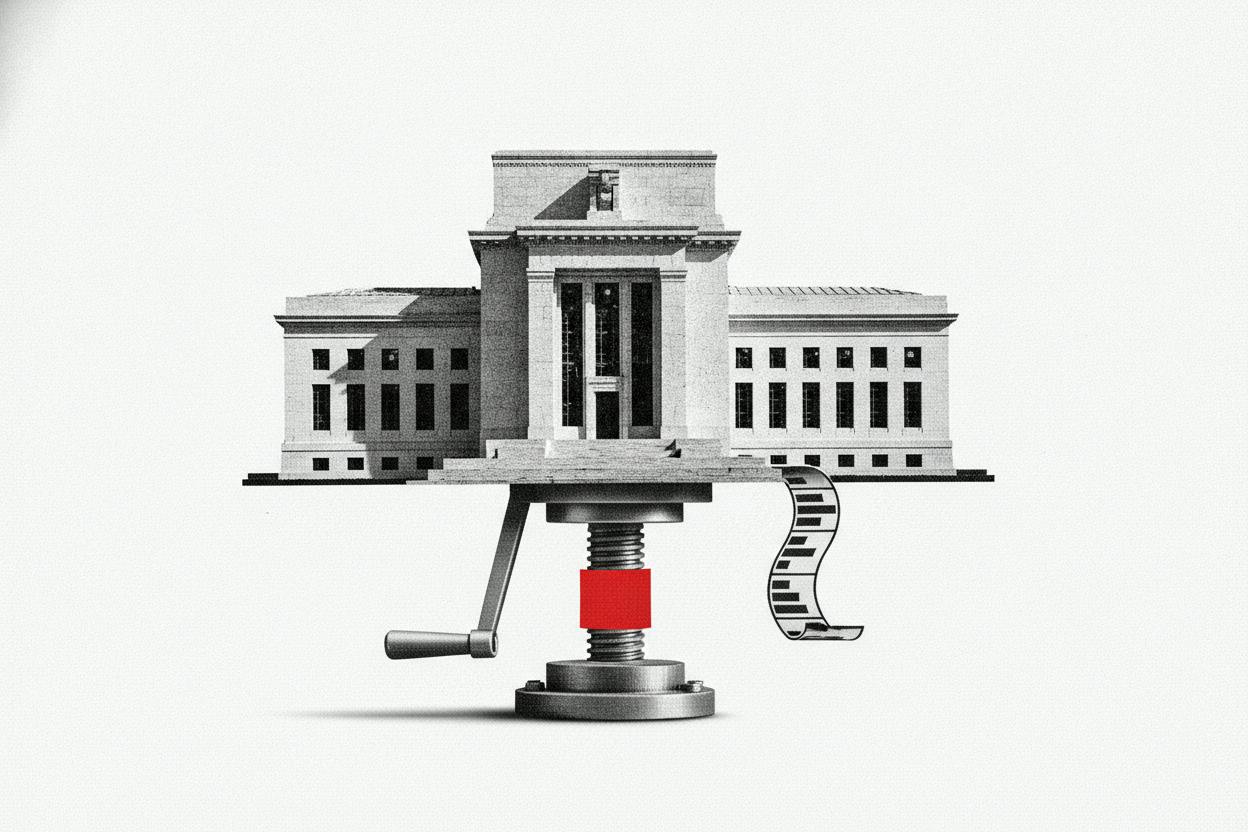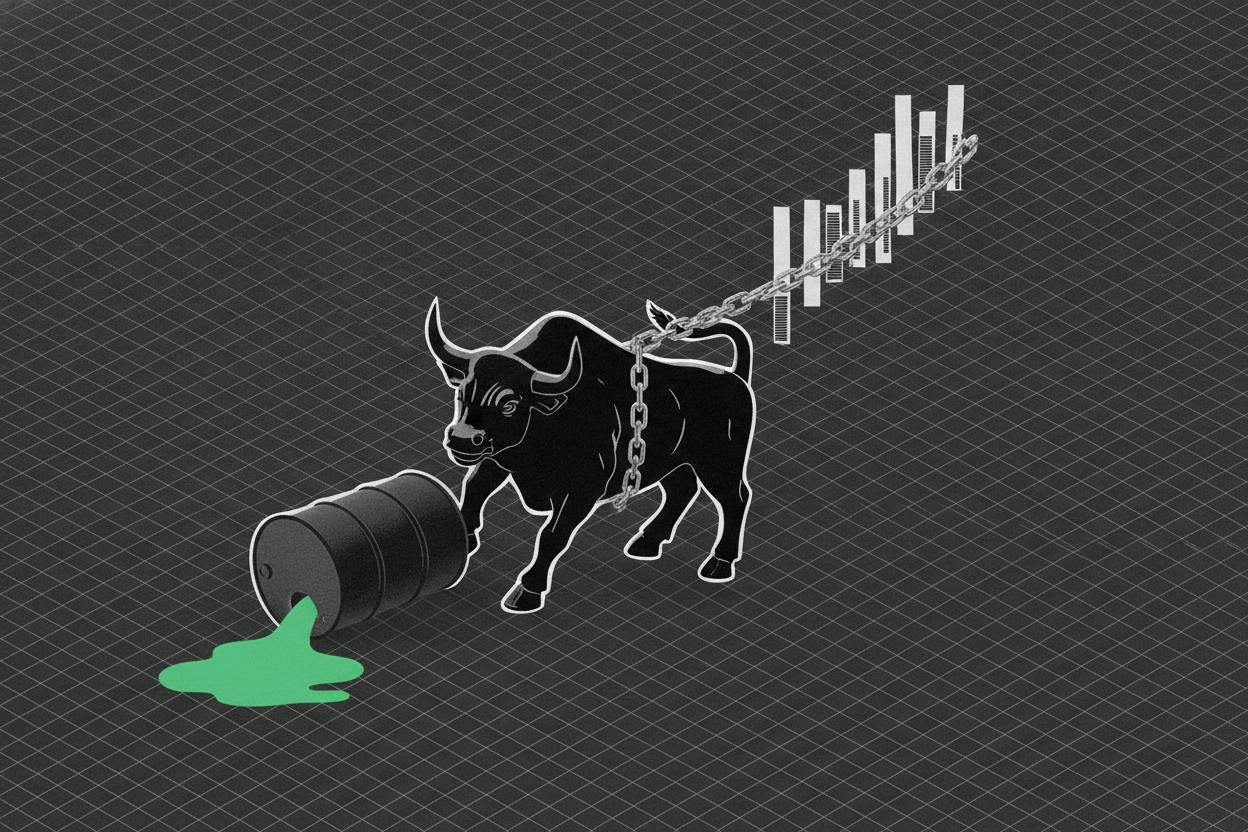
Wall Street started the week on a downbeat note, with major indexes slipping as oil prices climbed and Treasury yields pushed to levels not seen in years. The moves reignited inflation worries and reinforced expectations that the Federal Reserve will keep interest rates higher for longer.
Oil climbs on stalled US-Iran talks
US crude jumped to about $95 a barrel, while Brent crude topped $107, after talks between the US and Iran appeared to stall. The lack of progress dimmed hopes for a diplomatic resolution that could ease supply concerns, and traders responded by bidding up the price of oil.
Higher oil prices tend to ripple through the economy, raising costs for shipping, travel, and household bills. That can feed into broader inflation, which is why investors watch energy prices so closely. When fuel costs rise, companies often pass those expenses on to consumers, and central banks may feel pressure to respond with tighter policy.
Treasury yields hit multi-year highs
At the same time, Treasury yields climbed to levels not seen in years. The yield on the benchmark 10-year Treasury note, which moves inversely to its price, has been creeping higher as investors adjust to the prospect of sustained rate hikes. Higher yields make borrowing more expensive for businesses and consumers, and they also make bonds more attractive relative to stocks, which can weigh on equity valuations.
The combination of rising oil and rising yields has helped cement the "higher for longer" narrative in markets. According to futures markets, investors now see roughly a 70% chance that the Fed will raise rates again in October. That would mark another step in the central bank's campaign to bring inflation down to its 2% target.
Broad selloff, but Nvidia bucks the trend
The selloff was broad, with the Dow Jones Industrial Average, the S&P 500, and the Nasdaq all falling. However, Nvidia managed to rise after the chipmaker announced an expansion of its share buyback plan by $150 billion. The move signals confidence in the company's future cash flows, and it provided a rare bright spot in an otherwise down day for tech stocks.
Share buybacks, where a company repurchases its own stock, can support the share price by reducing the number of shares outstanding and boosting earnings per share. They are often seen as a sign that management believes the stock is undervalued.
What it means for investors
For everyday investors, the key takeaway is that the market is still grappling with the same forces that have driven volatility all year: inflation, interest rates, and energy prices. When oil and yields rise together, it can create a double whammy for stocks, as higher costs squeeze corporate profits and higher discount rates reduce the present value of future earnings.
Investors should also keep an eye on the Fed's next move. A rate hike in October would be the latest in a series of increases aimed at cooling the economy. While higher rates can help tame inflation, they also raise the risk of slowing growth too much.
The energy sector, meanwhile, could continue to be a source of market-moving news. Geopolitical tensions, supply disruptions, and shifts in global demand all have the potential to keep oil prices elevated. For those with diversified portfolios, the recent moves are a reminder of why spreading investments across different asset classes can help manage risk.
As always, it's important to focus on long-term goals rather than short-term market swings. While days like this can be unsettling, they are a normal part of investing. Staying informed and keeping a balanced approach can help weather the ups and downs.