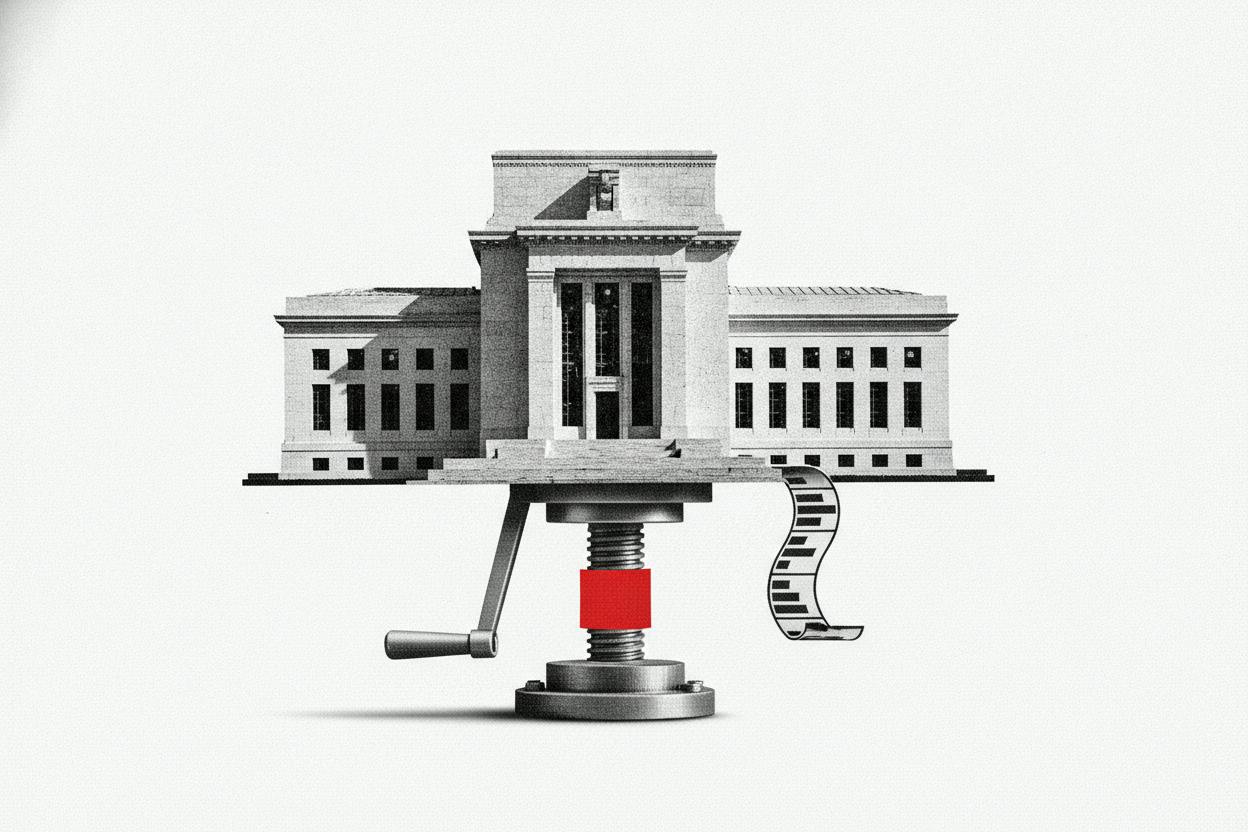
Several Federal Reserve policymakers have indicated that more interest rate hikes could be on the table this year if inflation remains stubbornly high. The comments come just after the central bank's latest quarter-point increase, and they suggest that the fight against rising prices is far from over.
What the officials said
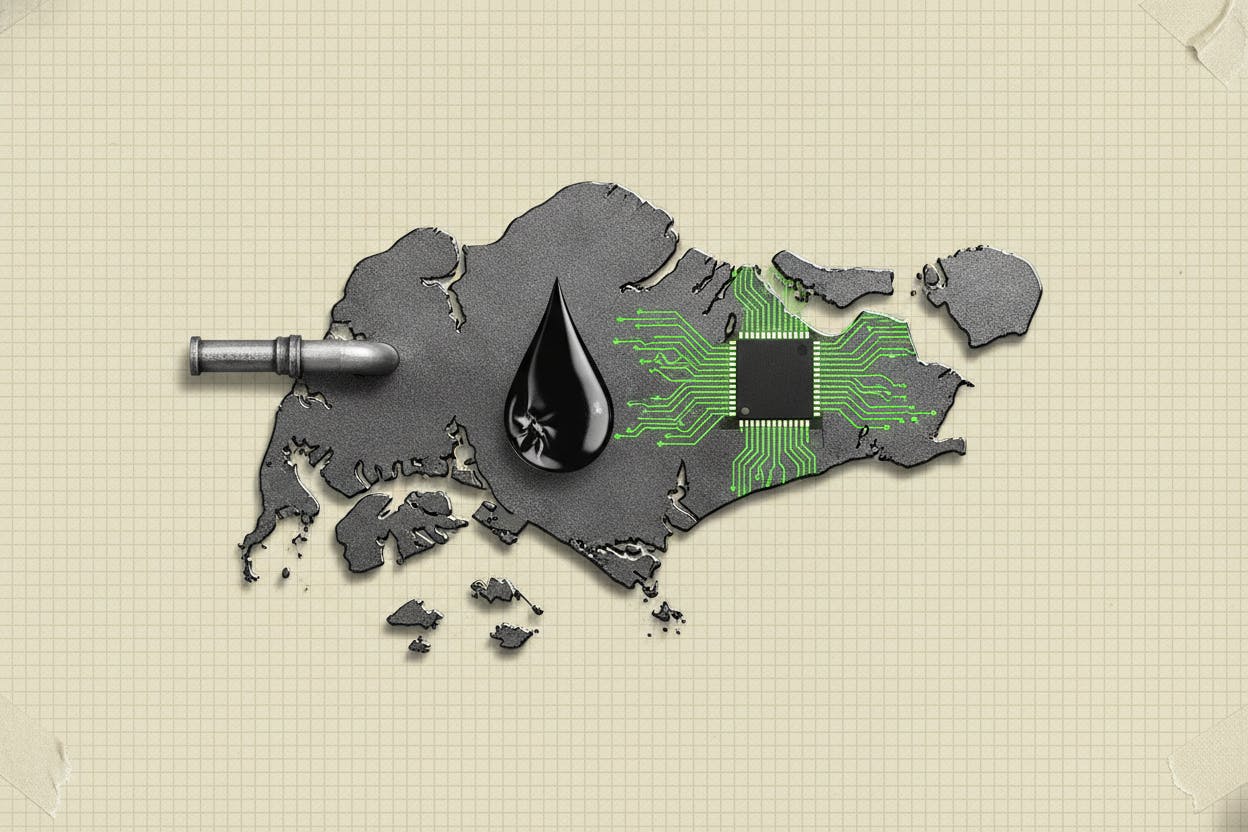
New York Fed President John Williams, a key voice at the central bank, said it is “reasonable” to expect that the Federal Open Market Committee (FOMC) may need to raise rates again. However, he stressed that any decision will depend on incoming inflation and jobs data. Fed Governor Lisa Cook went further on the “why,” pointing to potential price pressures from the AI buildout, higher oil prices, and possible Middle East-related supply disruptions.
These remarks align with a broader theme among central bankers: they want to keep financial conditions tight without committing to a fixed path. The Fed has been walking a careful line, trying to cool the economy enough to bring inflation down to its 2% target, while avoiding a recession.
Why inflation might stay sticky
The officials’ concerns are not unfounded. US inflation has remained above target for years, and several factors could keep it that way. The rapid expansion of artificial intelligence infrastructure is driving up demand for electricity, semiconductors, and other materials, which can push prices higher. Oil prices have also been volatile, and any disruption to supply—especially from the Middle East—could send energy costs soaring, feeding into broader inflation.
These are exactly the kinds of risks that the Fed is watching closely. As upcoming jobs and inflation data will help guide the Fed's next move, investors should pay attention to those releases.
What this means for investors
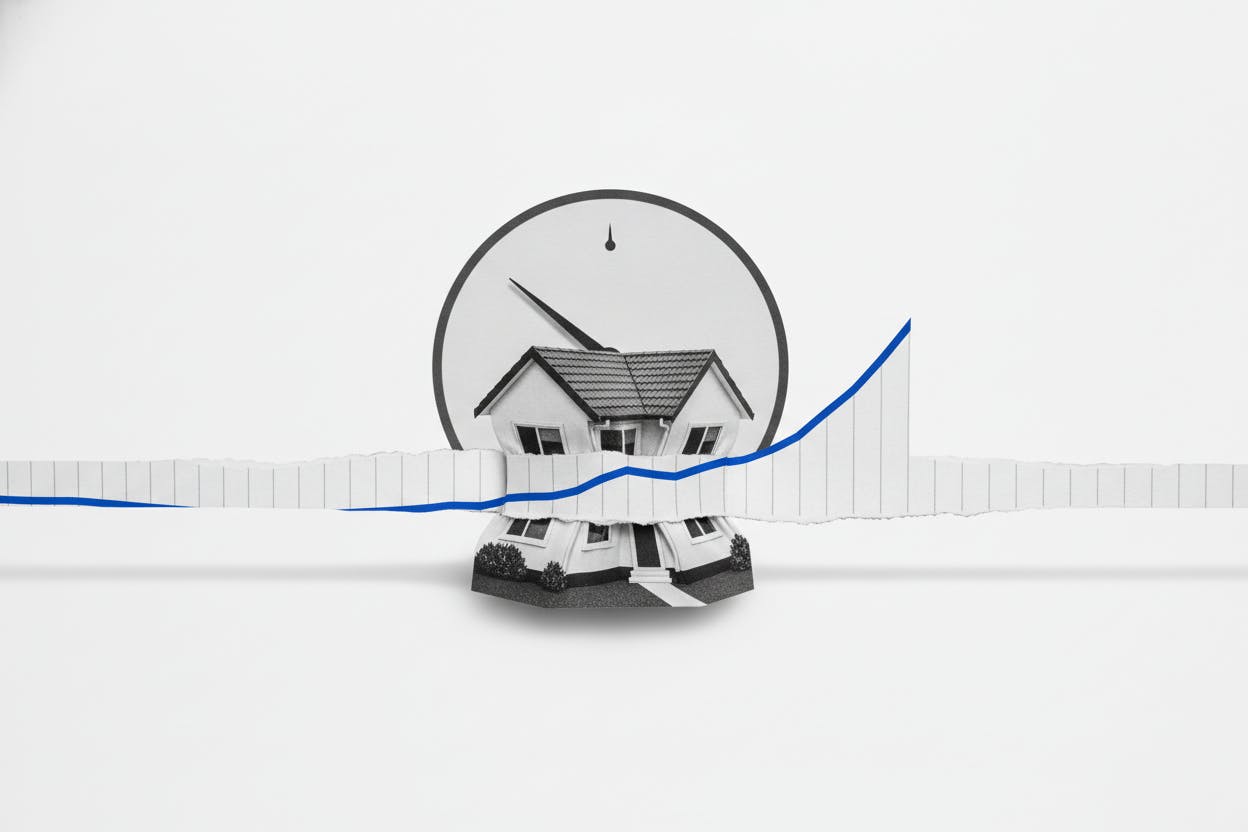
For everyday investors, the possibility of more rate hikes has several implications. Higher interest rates tend to weigh on stock valuations, especially for growth companies that rely on future earnings. They also push up borrowing costs for mortgages, car loans, and credit cards, which can slow consumer spending.
On the flip side, higher rates can be a boon for savers, as yields on savings accounts and certificates of deposit (CDs) tend to rise. Bond investors may also see higher yields, though existing bond prices fall when rates go up.
It's important to remember that the Fed is data-dependent. If inflation cools faster than expected, the central bank could pause or even reverse course. But if price pressures persist, as the officials suggest, more hikes are possible.
Global context
The Fed is not alone in grappling with inflation. Central banks around the world are facing similar challenges. For instance, India's central bank is under pressure to hike rates as inflation broadens, and Japan's central bank has hinted at faster rate hikes as inflation risks mount. These global trends can affect international markets and currencies, which in turn can impact US investors with overseas exposure.
What to watch next
Investors should keep an eye on the upcoming economic data, particularly the monthly jobs report and the Consumer Price Index (CPI). These numbers will be critical in determining whether the Fed follows through on its hawkish signals. Also watch for any developments in the Middle East that could affect oil supplies, as well as earnings reports from companies that might reveal how they are coping with higher costs.
In the meantime, it's wise to review your portfolio's exposure to interest-rate-sensitive sectors. Utilities, real estate, and technology are often more vulnerable to rate hikes, while financials and energy may benefit. But remember, no one can predict the Fed's moves with certainty, so diversification remains a key strategy.
The bottom line: the Fed is keeping its options open, and the path of rates will depend on the data. For now, investors should brace for the possibility of higher rates for longer, while staying alert to any signs that inflation is finally easing.