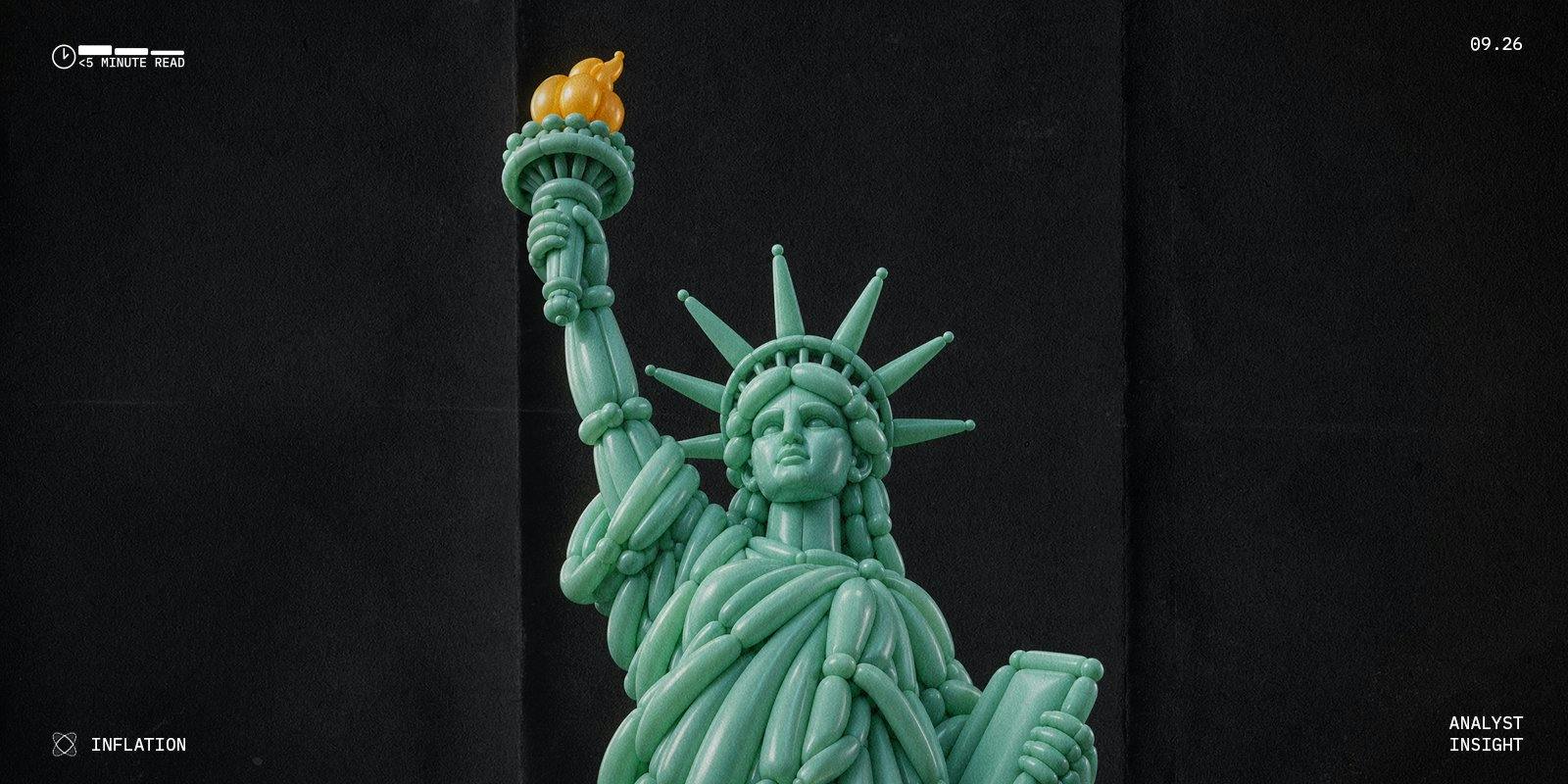
It's been five years since US inflation first climbed above the Federal Reserve's 2% target, and the word "temporary" has long since lost its usefulness. The central bank has stopped hoping prices will settle on their own and has instead resorted to raising interest rates to cool the economy. But higher rates can't conjure up more oil, and a significant chunk of today's inflation traces back to fuel costs.
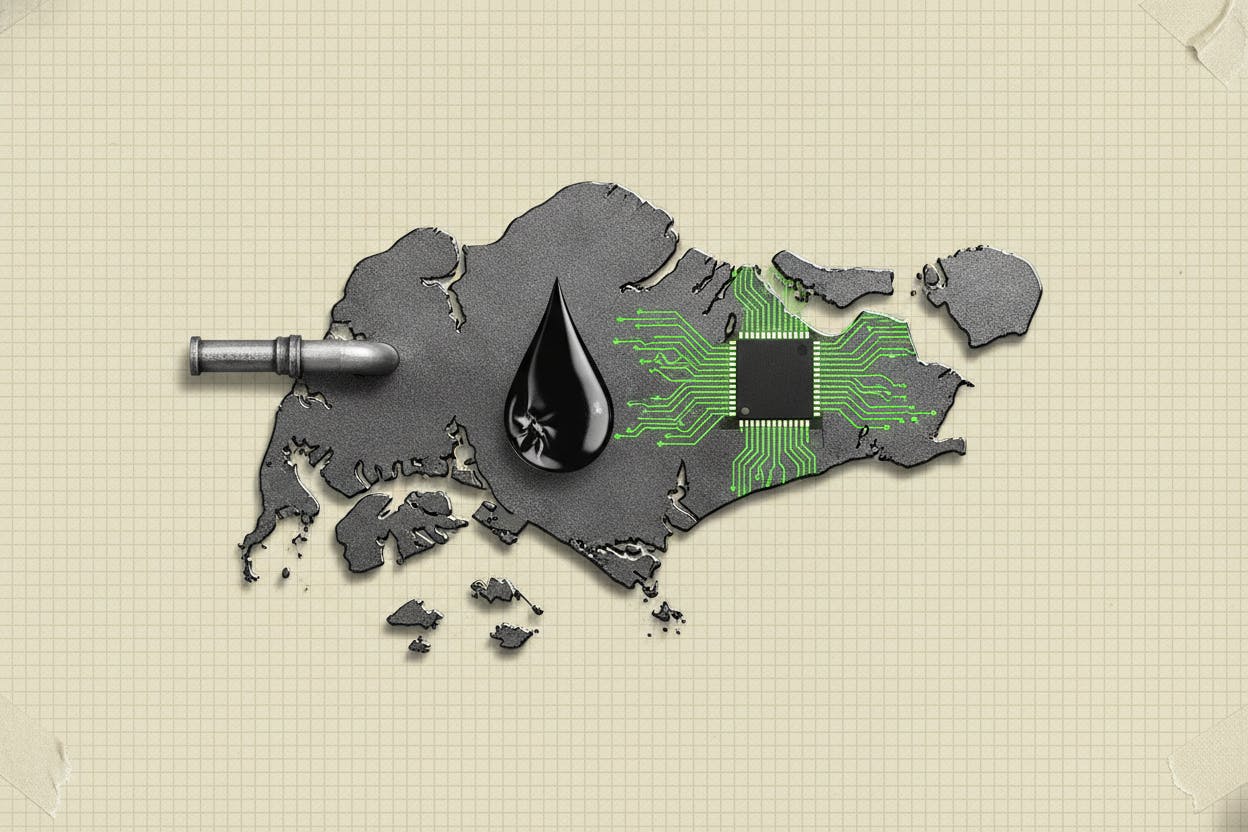
Energy prices have been squeezed by geopolitical tensions: the war in the Middle East and ongoing attacks between Russia and Ukraine on each other's energy infrastructure have kept supply tight. That's pushed up the cost of gasoline, heating, and the transportation of goods, which feeds into nearly everything you buy.
Yet energy isn't the whole story. Inflation has been stubbornly high even before the latest oil price spikes, which suggests deeper forces are at work. So what's really pushing prices up, and what does that mean for your money?
The energy factor and beyond
When oil prices rise, the effects ripple through the economy. Higher fuel costs make it more expensive to ship goods, run factories, and heat homes. Businesses often pass those costs on to consumers, which shows up as higher prices at the pump, in grocery stores, and on online orders.
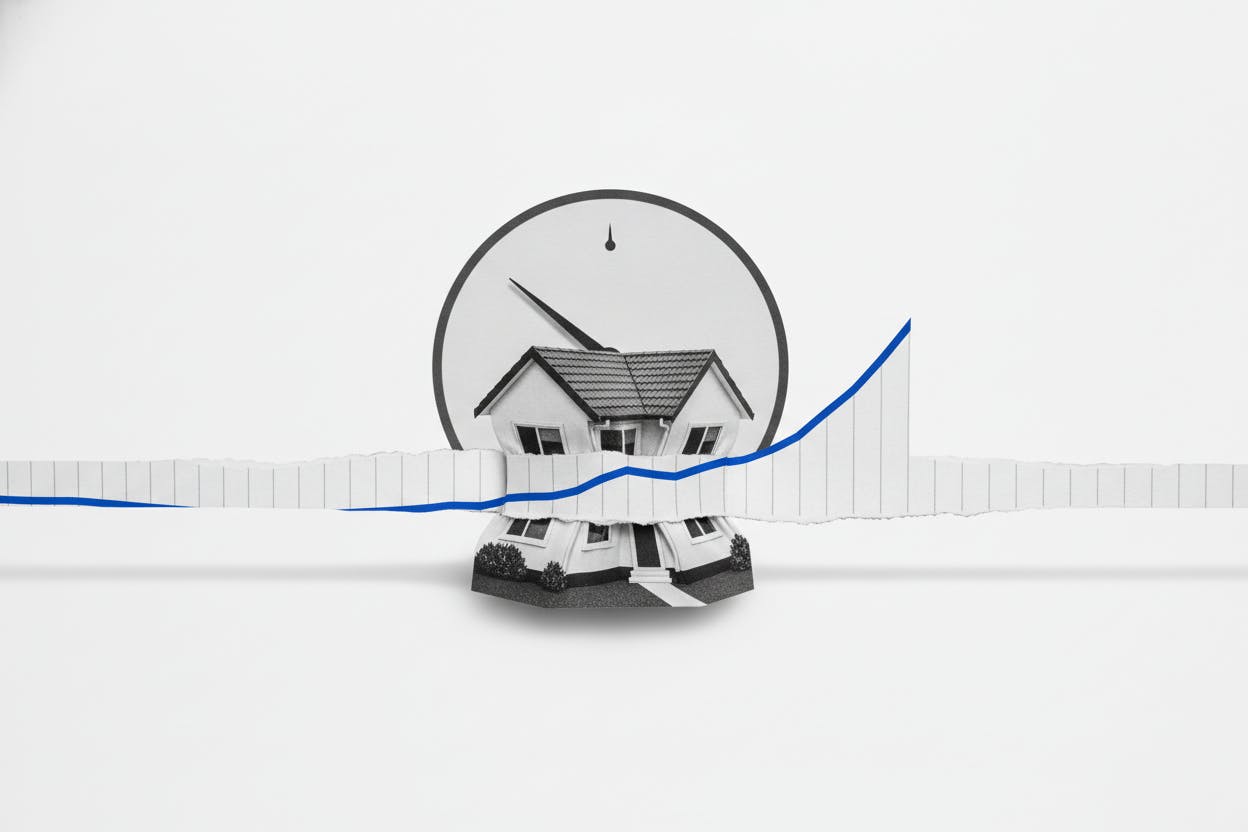
But the current inflation episode isn't just about oil. Even as energy prices have fluctuated, other categories—like housing, services, and food—have continued to climb. Rent and home prices remain elevated, and labor costs in service industries have stayed high as businesses compete for workers. These are the kinds of price increases that don't reverse quickly.
That's why the Fed's job is so tricky. Raising interest rates can slow demand by making borrowing more expensive, which can help cool price increases in areas like housing and consumer goods. But it can't directly lower oil prices or fix supply chain disruptions. So even as the Fed tightens policy, energy-driven inflation can persist.
What the Fed's rate hikes mean for you
Higher interest rates have a direct impact on your finances. Borrowing costs for mortgages, car loans, and credit cards rise, which can squeeze household budgets. On the flip side, savings accounts and certificates of deposit (CDs) may offer better returns, so it's not all bad news.
For investors, the rate environment affects everything from stock valuations to bond yields. When rates are high, future earnings are discounted more heavily, which can weigh on growth stocks. Meanwhile, bonds become more attractive as their yields rise. It's a delicate balance, and the path of inflation will determine how long the Fed keeps rates elevated.
Recent data shows that consumer sentiment has dropped to a four-month low as inflation expectations climb, which could influence spending and economic growth. And with US jobs and inflation data due this week, investors are watching closely for clues about the Fed's next move.
Global inflation pressures
The US isn't alone in this struggle. Central banks around the world are grappling with similar challenges. For instance, the Bank of Japan's minutes hint at faster rate hikes as inflation risks mount, and the Reserve Bank of India is under pressure to hike rates as inflation broadens. In Europe, rising energy bills threaten consumer confidence, showing that energy costs are a global issue.
These international dynamics matter for US investors because they affect global growth, trade, and commodity prices. If other economies slow down, that can dampen demand for US exports and affect corporate earnings.
What to watch next
The key question is whether inflation will ease enough for the Fed to start cutting rates, or if it will stay stubbornly high. The upcoming jobs report and inflation data will be critical. If inflation remains elevated, the Fed may keep rates higher for longer, which could prolong the pressure on stocks and borrowing costs.
For everyday investors, the takeaway is to stay diversified and avoid making impulsive moves based on short-term inflation headlines. Inflation erodes purchasing power, so it's important to consider investments that have historically kept pace with rising prices, such as stocks, real estate, and inflation-protected bonds. But remember, past performance isn't a guarantee of future results.
Ultimately, the five-year stretch of above-target inflation is a reminder that price stability isn't something to take for granted. It affects your daily budget, your savings, and your investment portfolio. Understanding the forces at play—from oil prices to Fed policy—can help you make more informed decisions, even when the outlook is uncertain.