Oil prices are holding near $90 a barrel as traders weigh the risk of supply disruptions in the Strait of Hormuz, one of the world's most critical shipping lanes. Brent crude, the international benchmark, was hovering around $89 on Monday, with market attention fixed on tanker attacks and stalled diplomatic efforts that could tighten global supplies.
The price action reflects a market that is pricing in risk, not just actual shortages. Even without a clear-cut supply outage, the mere threat of disruption is enough to keep a premium in the price. That's because the Strait of Hormuz is a chokepoint through which roughly a fifth of the world's oil passes daily. When tankers hesitate to transit, crude can be available in theory but arrive late in practice, forcing refiners to pay up for cargoes that can be delivered promptly.
Shipping slows at a critical chokepoint
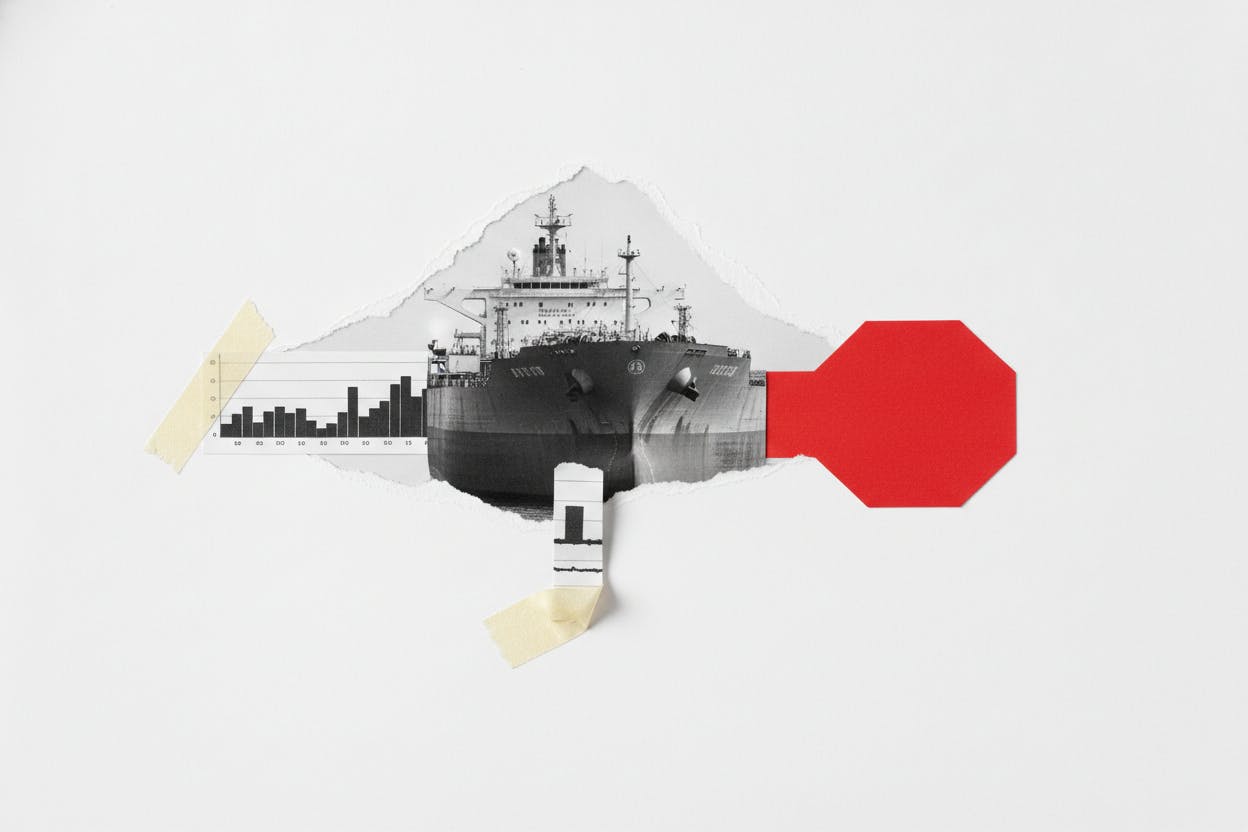
Data from Kpler, a commodities data firm, shows just how much caution has crept into the market. Only five commodity vessels transited Hormuz on Saturday, and none were registered for Sunday, compared with 31 the previous weekend. That dramatic drop-off in traffic is a clear sign that shipowners and charterers are taking the threat of attacks seriously.
When tankers slow down or reroute, the logistics of getting crude to market become more complicated. Even if oil is physically available, delays in shipping can create localised shortages and push up prices for prompt deliveries. This is why the market is reacting even though there hasn't been a major, sustained disruption to actual production or exports.
The slowdown in Hormuz shipping is also rippling through other markets. Gulf stocks have been mixed as investors weigh the impact of higher oil prices against the risk of broader regional instability. Meanwhile, shares in New Zealand slipped as the disruptions rattled global investor sentiment.
Stalled talks keep the risk premium alive
Diplomatic efforts to de-escalate tensions have so far made little progress. Stalled talks mean there's no clear path to reducing the risk of further attacks on shipping. That keeps the threat of a wider supply squeeze front and centre for traders.
In the past, similar periods of tension in the region have led to sharp but often short-lived spikes in oil prices. However, when the underlying risk persists, the premium can stay elevated for longer. The current situation is complicated by the fact that global oil supplies are already relatively tight, with production cuts from major exporters and strong demand in some regions.
The market is also watching how other economies respond. European bond yields have stayed calm despite the tensions, suggesting that investors there are not yet pricing in a major inflationary shock. But if oil prices push higher and stay there, that could change.
What it means for investors
For everyday investors, the key takeaway is that oil prices are being driven by risk and logistics, not just supply and demand fundamentals. That means prices could move sharply in either direction depending on headlines about attacks, diplomacy, or shipping activity.
Higher oil prices tend to feed into inflation, which can influence central bank policy. If oil stays near $90 or goes higher, it could put upward pressure on consumer prices, potentially leading to higher interest rates or a slower pace of rate cuts. That would affect bond prices and could weigh on stock valuations, particularly for companies that are sensitive to energy costs.
On the other hand, energy producers and related companies often benefit from higher oil prices. But investors should be cautious about chasing gains based on geopolitical events, which can reverse quickly if tensions ease.
For those with diversified portfolios, the current situation is a reminder of the importance of being prepared for volatility. Oil price spikes can create winners and losers across sectors, from airlines and shipping companies that face higher fuel costs to energy firms that see improved margins.
As the situation develops, investors will be watching for any signs of a sustained disruption to Hormuz traffic, progress in diplomatic talks, or changes in global oil inventories. Any of these could shift the balance and determine whether oil stays near $90 or moves higher.