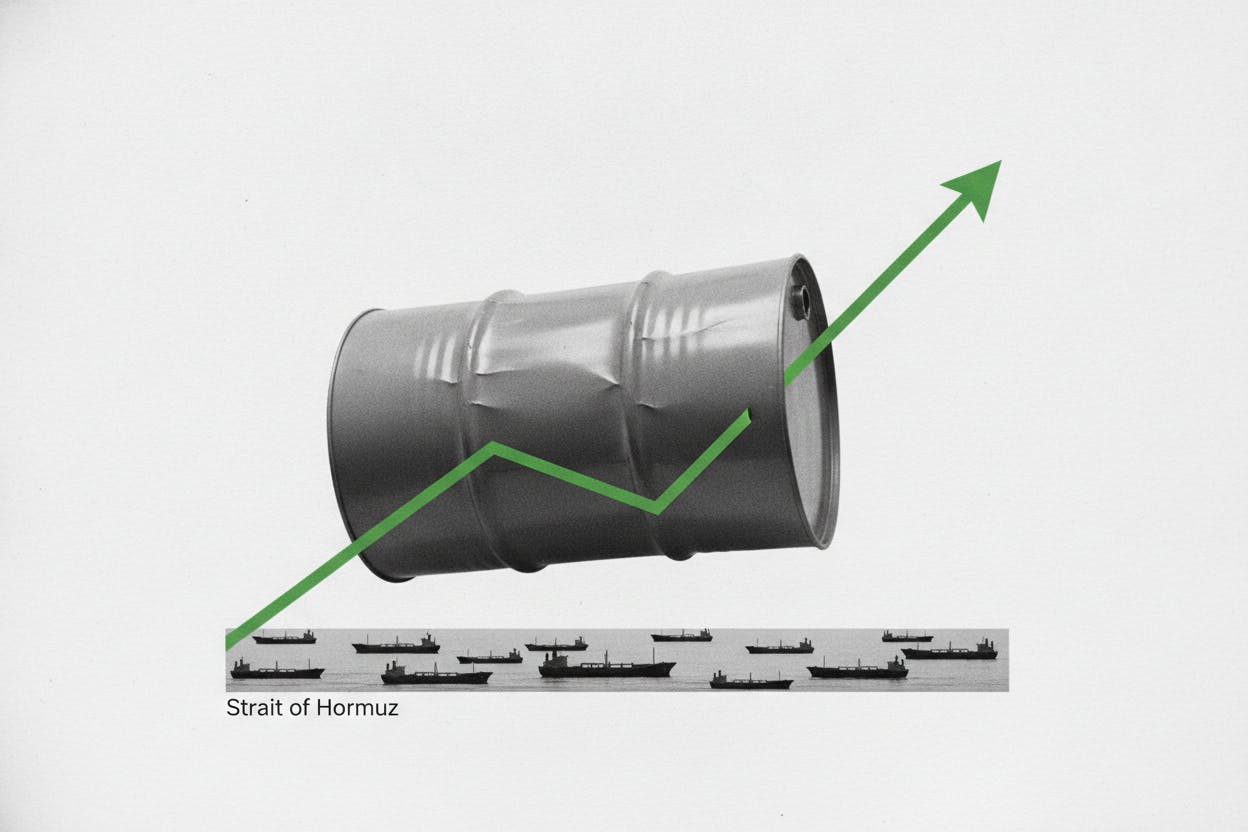
Gulf stock markets mostly climbed on [day], with Saudi Arabia's main index gaining 0.9%, even as traffic through the strategic Strait of Hormuz remained patchy and diplomatic efforts to ease tensions showed no signs of progress. The move came as Brent crude settled at $88.52 a barrel, keeping energy prices elevated amid ongoing geopolitical uncertainty.
What's driving the market?
The gains in Gulf equities suggest investors are looking past the immediate disruptions in the region, focusing instead on corporate earnings and the broader economic picture. Saudi Arabia's benchmark index, which includes heavyweights like oil giant Aramco and major banks, rose as buying interest returned after recent volatility.
At the same time, the Strait of Hormuz—a narrow waterway through which about a fifth of the world's oil passes—continued to see irregular shipping activity. Attacks on vessels in the area have raised concerns about supply disruptions, but so far, the flow of crude has not been completely halted. This patchy traffic has kept oil prices supported, with Brent hovering near $88 a barrel, a level that reflects both risk premium and underlying demand.
Peace talks between the United States and Iran, which many hoped would de-escalate the situation, have shown no signs of progress. That lack of movement means the geopolitical risk premium is likely to remain in oil prices for the foreseeable future.
Why Hormuz matters to your money
For everyday investors, the situation in the Strait of Hormuz is more than a headline—it directly affects the price of oil, which in turn influences everything from gasoline prices to the cost of goods that rely on shipping. When oil prices rise, energy companies tend to benefit, but consumers and businesses that depend on fuel can feel the pinch.
Gulf stock markets, particularly Saudi Arabia, are heavily tied to oil prices and regional stability. A sustained disruption in Hormuz could push oil higher, which might boost energy stocks but also increase inflation pressures globally. On the other hand, if peace talks were to make progress, oil prices could fall, potentially easing inflation but also hitting energy-sector profits.
Investors should watch for any developments in the talks and any changes in shipping patterns. The fact that Gulf stocks rose despite the patchy traffic suggests that markets are currently pricing in a scenario where disruptions remain manageable, but that could change quickly if the situation worsens.
Broader market context
The resilience in Gulf markets comes amid a mixed global backdrop. European stocks have hovered near records as oil climbs and US-Iran talks stall, while eurozone growth has accelerated but Middle East worries weigh on sentiment. In the US, cooler inflation data has lifted hopes for rate cuts, but Asian stocks have seen gains capped by weak Chinese lending figures.
For Gulf markets specifically, the focus is also on corporate earnings. UAE stocks ended mixed as investors looked past Hormuz attacks to earnings, a sign that company fundamentals are taking precedence over geopolitical noise.
What to watch next
Investors will be keeping an eye on several key factors:
- Oil price movements: Brent at $88.52 is a key level. A break above $90 could signal more supply concerns, while a drop below $85 might ease fears.
- Shipping data: Any reports of full closure or major rerouting through Hormuz would be a significant escalation.
- Diplomatic headlines: Even small signs of progress in US-Iran talks could trigger a sell-off in oil and a rally in risk assets.
- Earnings season: Gulf companies, especially banks and petrochemicals, are reporting results that could drive individual stock moves.
For now, the market's message is one of cautious optimism: investors are willing to buy dips, but they are not ignoring the risks. As always, diversification and a long-term perspective remain your best tools in navigating such uncertainty.