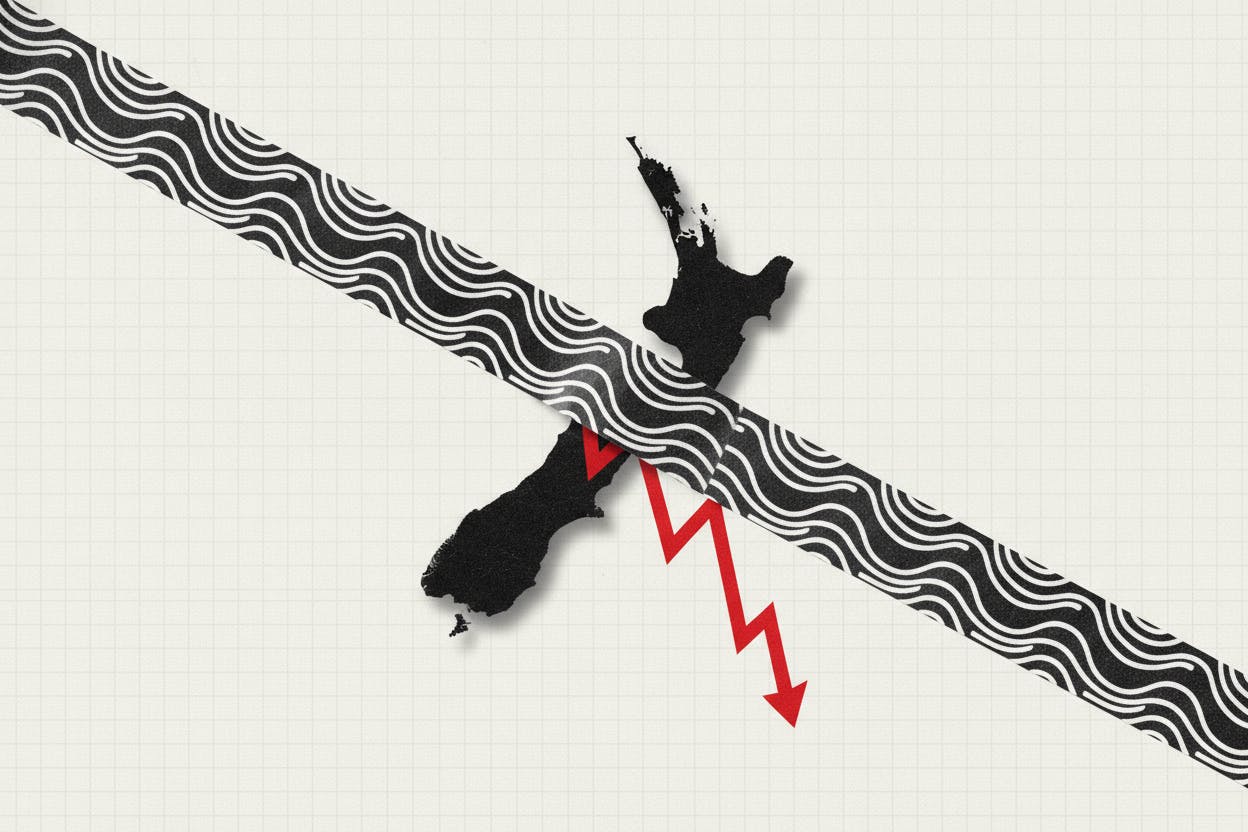
New Zealand's stock market took a hit on Monday, with the S&P/NZX 50 falling 0.96% to 13,721.98, as escalating Middle East tensions prompted investors to adopt a cautious stance. The decline came even as many Asian markets posted gains, highlighting the specific concerns weighing on the Kiwi economy.
The trigger was a combination of factors: US-Iran negotiations hit an impasse, and weekend tanker attacks disrupted shipping through the Strait of Hormuz, a critical waterway for global oil and fuel shipments. According to data from Kpler, cited by Reuters, the attacks have slowed traffic through the strait, raising fears of supply disruptions.
Why Hormuz matters to New Zealand
The Strait of Hormuz is one of the world's most important oil chokepoints, with a significant portion of global crude and liquefied natural gas passing through it. For an oil-importing nation like New Zealand, any threat to this route can quickly translate into higher expected fuel and freight costs. That feeds directly into inflation expectations, which in turn influences everything from consumer spending to central bank policy.
When shipping through Hormuz slows, the immediate effect is often a rise in oil prices, as traders price in the risk of supply shortages. For New Zealand, which relies heavily on imported oil for transportation and industry, this means higher costs at the pump and for goods transported by sea. The country's isolated location makes it particularly vulnerable to shipping disruptions, as it depends on long-haul maritime routes for most of its trade.
The market's reaction reflects this vulnerability. Investors, seeing the potential for higher inflation and slower economic growth, moved to reduce risk in their portfolios. This is a classic "risk-off" move, where investors sell equities and seek safer assets like government bonds or cash.
What this means for investors
For everyday investors, the key takeaway is that geopolitical events can have a direct impact on local markets, even when the conflict is thousands of miles away. The New Zealand sharemarket is relatively small and heavily weighted toward sectors like utilities, consumer staples, and healthcare, which are sensitive to changes in fuel costs and consumer confidence.
Higher fuel prices can squeeze household budgets, reducing discretionary spending and hitting companies that rely on consumer demand. Freight costs also rise, affecting retailers and manufacturers that import goods. This can lead to lower earnings for these companies, which in turn puts downward pressure on their share prices.
Investors should also be aware that the situation is fluid. The impasse in US-Iran talks and the tanker attacks are ongoing developments, and any further escalation could lead to more volatility. Conversely, a de-escalation could quickly reverse the current slide.
Related reading: Gulf stocks rise as Hormuz shipping stays patchy and New Zealand fuel prices drop sharply in July.
Broader market context
The decline in New Zealand stocks stands in contrast to the broader Asian region, where many markets rose. This divergence underscores the specific risks facing the Kiwi economy, which is also dealing with sluggish services growth and persistent hiring challenges, as noted in recent data. The combination of domestic weakness and external shocks makes for a challenging environment for investors.
Meanwhile, the Middle East situation is also affecting other markets. European stocks have been weighed down by similar concerns, as reported earlier. The global nature of oil markets means that disruptions in one region can ripple across the world, affecting everything from airline stocks to consumer goods companies.
For New Zealand investors, the immediate focus will be on how the situation evolves. If shipping through Hormuz remains disrupted, oil prices could stay elevated, adding to inflationary pressures. The Reserve Bank of New Zealand, which has been battling inflation, may need to keep interest rates higher for longer, which could further dampen economic growth and corporate earnings.
On the other hand, if talks resume and tensions ease, the market could recover quickly. Investors should keep an eye on oil price movements and any news from the region. As always, diversification remains a key strategy to weather such uncertainties.
In summary, the drop in the S&P/NZX 50 is a reminder that global events can have a direct impact on local portfolios. While the situation is concerning, it's not a reason to panic. Instead, investors should stay informed and consider how their investments might be affected by changes in fuel costs and inflation.