China's factory-gate inflation cooled for a second straight month in July, adding to evidence that the world's second-largest economy is running at two speeds: strong exports but sluggish domestic demand.
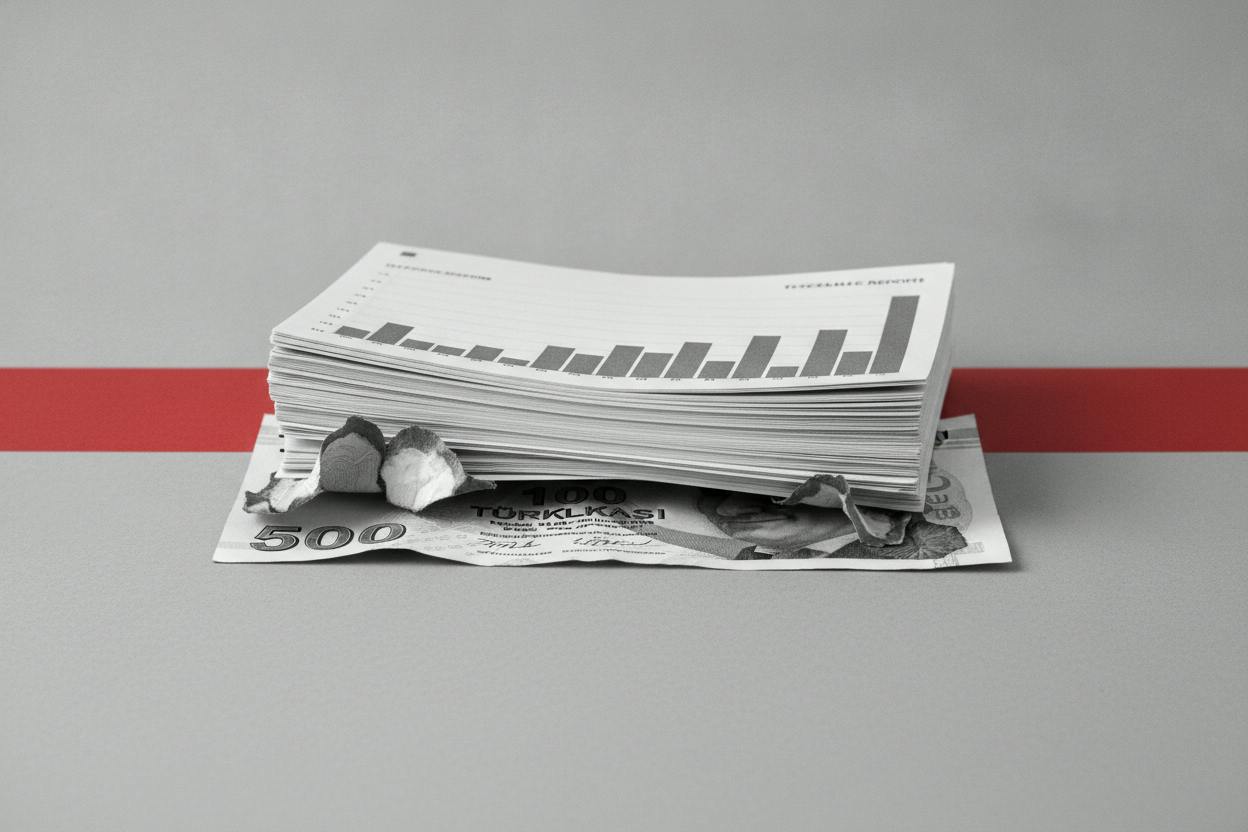
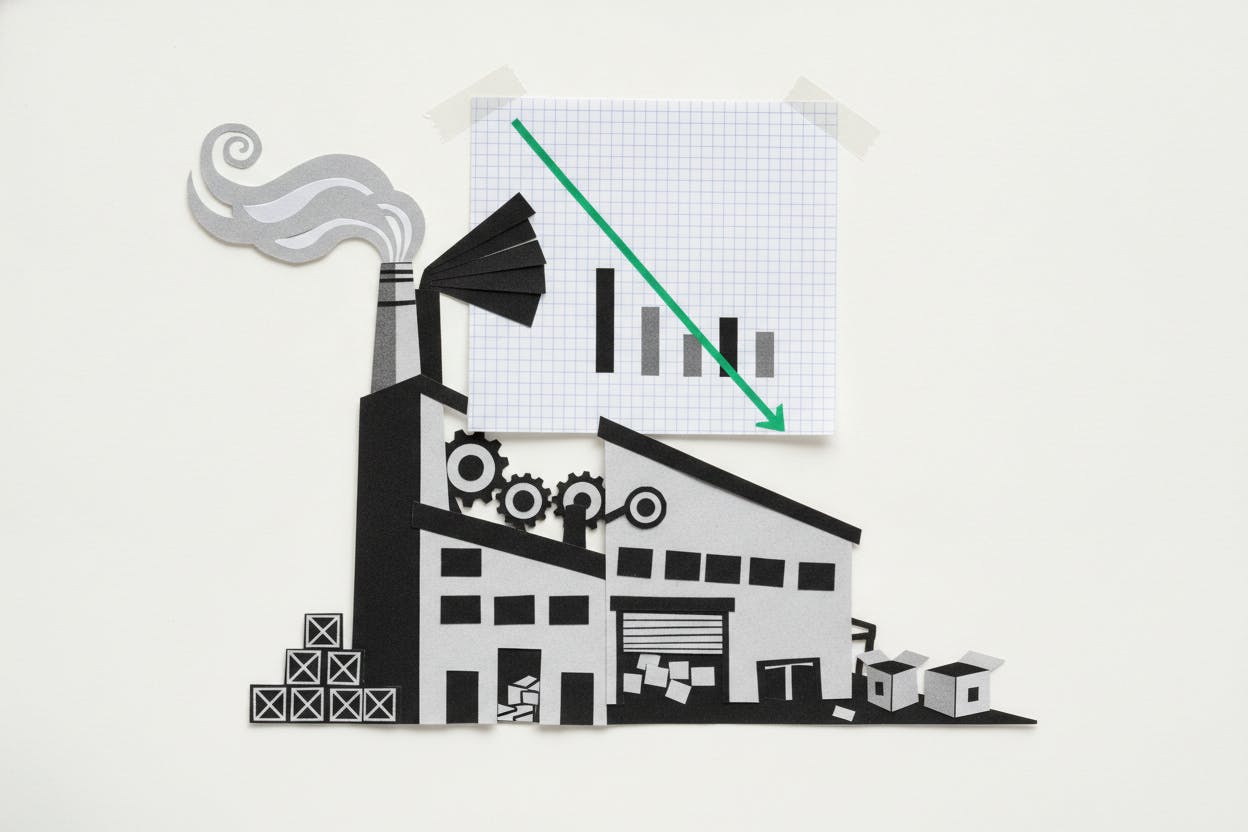
Producer prices rose 3.5% in July from a year earlier, according to data released Tuesday. That was below the 3.8% forecast in a Reuters poll and down from June's 4.1% reading. The slowdown suggests Chinese manufacturers are finding it harder to pass on costs to buyers, a sign that demand at home is softening.
What is producer price inflation?
Producer price inflation (PPI) measures what Chinese factories charge for their goods at the "factory gate" — before they reach retailers or consumers. It's a key gauge of pricing power in the industrial sector. When PPI rises, it often means manufacturers can pass on higher input costs, like energy or raw materials. When it falls, it can signal weaker demand or excess supply.
July's slowdown was broad-based, with cost pressures from energy and other inputs easing. That aligns with a global trend of cooling commodity prices, which has helped lower input costs for manufacturers worldwide.
The data adds to a picture of a two-speed economy. While China's exports have been robust — exports surged 23.9% in July — domestic consumption and investment remain patchy. Consumer price inflation, which measures what shoppers pay, has also been subdued, pointing to weak demand from households.
What it means for investors
For investors, the cooling PPI is a double-edged sword. On one hand, it suggests inflationary pressures are under control, which gives policymakers room to support growth. On the other, it underscores the fragility of domestic demand, which could weigh on corporate earnings for companies that rely on Chinese consumers.
"The broader picture also looks softer," said Zhiwei Zhang, chief economist at Pinpoint Asset Management, an investment firm. Zhang noted that both consumer and producer inflation are running below expectations, a sign that the economy is not overheating but rather facing demand headwinds.
For global investors, China's inflation data matters because it influences the outlook for the yuan, commodity demand, and the earnings of multinational companies with significant exposure to China. A softer PPI could also mean less pressure on the People's Bank of China to tighten policy, which could be supportive for risk assets.
However, the data also highlights the divergence between China's export sector and its domestic economy. While exporters are benefiting from strong global demand, local businesses — from restaurants to retailers — are struggling to lift prices. That divergence is a key reason why China's central bank has been boosting gold buying and taking other steps to support growth.
What to watch next
Investors will be watching whether the slowdown in PPI continues in the coming months, and whether it spreads to consumer prices. A sustained decline in producer prices could signal deflationary pressures, which would be a concern for corporate profits and economic growth.
Also on the radar: the Federal Reserve's preferred inflation gauge, due this week, which could influence global interest rates and, in turn, capital flows to emerging markets like China. US inflation data due this week will be closely watched by investors worldwide.
For now, the July data reinforces the view that China's recovery is uneven. While the export sector is booming, the domestic economy needs more support. That could prompt Beijing to roll out additional stimulus measures, which would be a key catalyst for Chinese stocks and the broader Asian market.
As always, investors should focus on the long-term trends rather than reacting to a single data point. The cooling PPI is a reminder that China's economy is in a transition — from a manufacturing-led growth model to one driven more by consumption. That transition will create both opportunities and risks for investors.