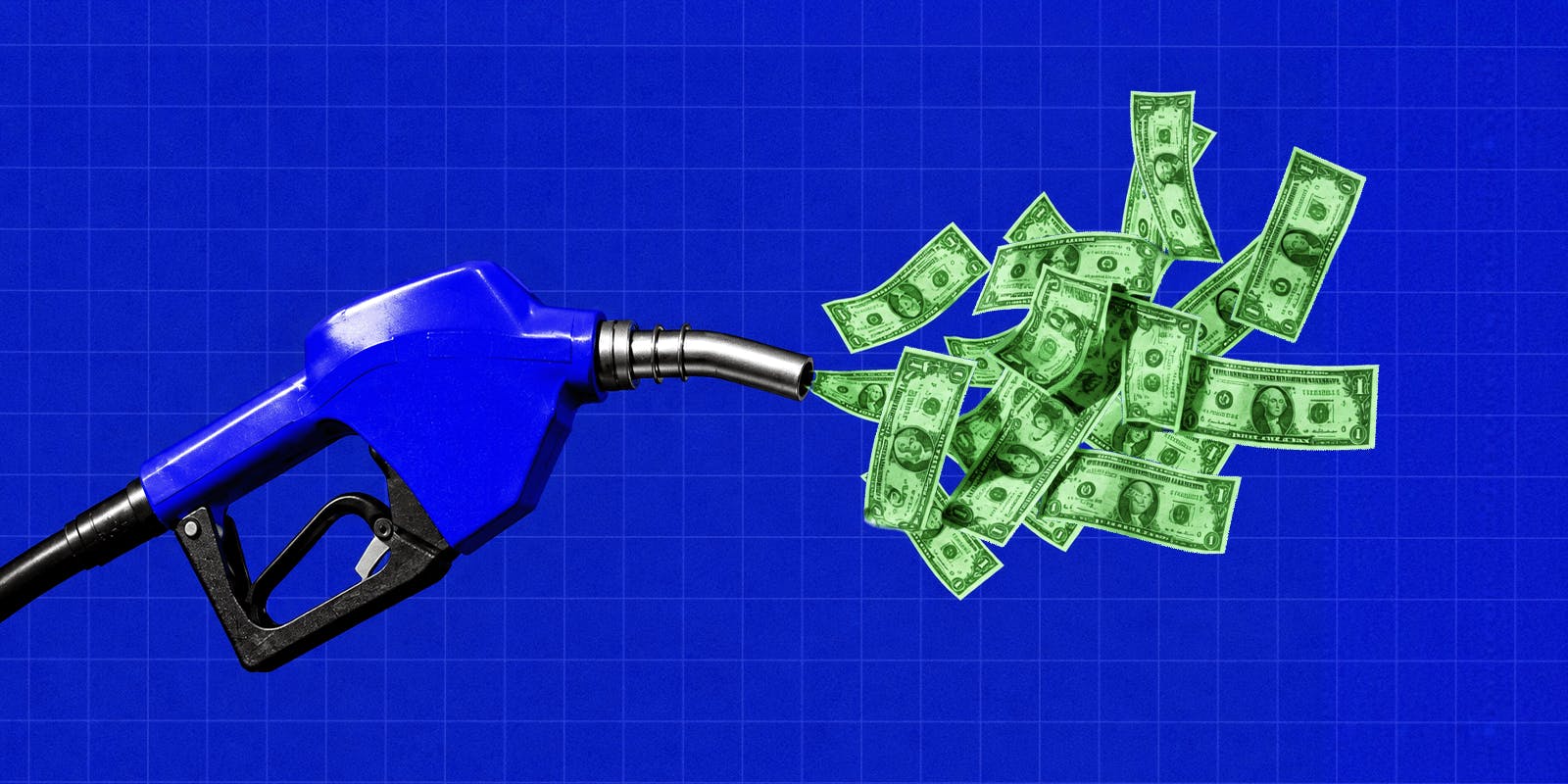
Crude oil prices have been sliding, but the fuel you put in your car or truck hasn't followed suit. That unusual gap is turning into a windfall for US oil refiners, who are pocketing some of the fattest margins in years.
Normally, crude oil and the products made from it—like gasoline and diesel—move in lockstep. When crude falls, fuel prices typically fall too. But lately, that relationship has broken down. Crude has dropped as hopes for a peace deal in Iran have grown, while refined fuel prices have stayed stubbornly high.
The result: US refiners can now make around $70 for every barrel of crude they turn into fuel, compared with a more typical $20. That's a more than threefold jump in profitability, and it's showing up in the sector's bottom line.
Why the gap is so wide
The main reason is a global shortage of refining capacity. Roughly 5 million barrels a day of the world's fuel-making capacity is currently offline, according to the source brief. That's a huge chunk—about 5% of global capacity—and it's squeezing supply just as demand for diesel and gasoline remains firm.
Several factors are behind the shortfall. Ukrainian drone strikes have knocked out about a third of Russia's refining capacity, taking significant volumes of diesel and other fuels off the market. Meanwhile, the conflict in Iran has taken out major Middle Eastern refineries, adding to the strain.
China, typically a major exporter of refined fuels, has seen its fuel exports collapse, removing another source of supply. And in Europe, heatwaves are reducing refinery efficiency, as high temperatures make it harder for plants to operate at full tilt.
All of this means that even as crude prices fall, the products that come out of a refinery are in tight supply. That's a classic recipe for wide profit margins.
What it means for investors
For investors, this is a story about the difference between the price of a raw material and the price of the finished product. Refiners buy crude, process it, and sell the fuels. Their profit—known as the crack spread—is the gap between what they pay for crude and what they get for the fuels.
When that spread widens, refiners' earnings tend to jump. That's why shares of US refiners have been rallying, even as crude prices have slipped. The market is betting that these companies will report strong profits in the coming quarters.
But investors should also be aware of the risks. Refining margins are notoriously cyclical. When capacity comes back online—whether from repairs in Russia, a resolution in the Middle East, or new plants coming on stream—the spread could narrow just as quickly as it widened. And if demand for fuels weakens, perhaps due to an economic slowdown, margins could compress even with supply constraints.
It's also worth noting that not all refiners are created equal. Some have more exposure to diesel, which has been particularly strong, while others focus more on gasoline. The mix of products a refiner produces can make a big difference to its profitability.
The bigger picture
The current situation is a reminder that oil markets are not just about the price of crude. The refining sector sits between the raw material and the consumer, and its fortunes can diverge sharply from what you see in headlines about oil prices.
For everyday investors, the key takeaway is that the energy sector is not a monolith. While crude producers might be feeling the pinch from lower prices, refiners are enjoying a boom. That divergence is a good example of why it pays to understand the different links in the energy supply chain.
As always, past performance is no guarantee of future results. Refining margins could normalize quickly if any of the supply disruptions ease. But for now, US refiners are in a sweet spot, and investors are taking note.