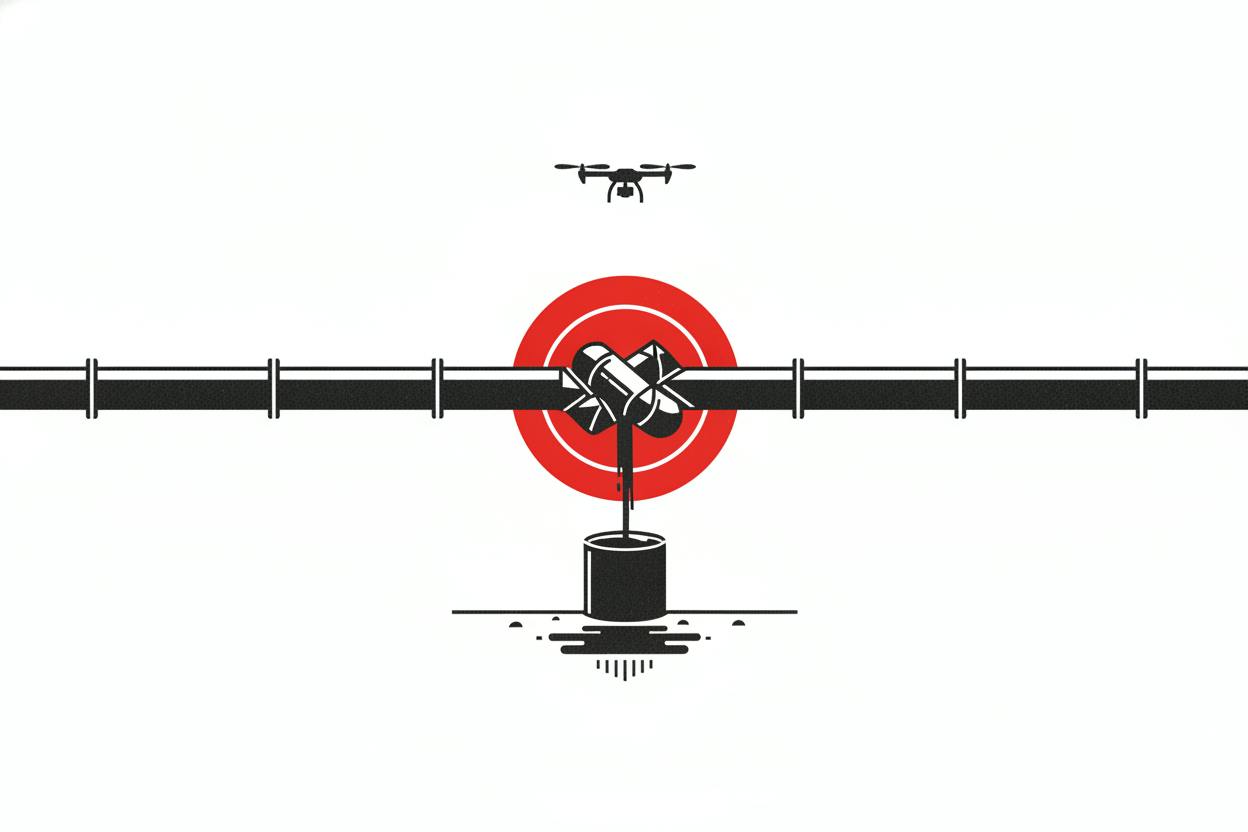
Saudi Arabian stocks slipped on [day] as a drone strike temporarily shut down the kingdom's East-West oil pipeline, reigniting concerns about energy infrastructure security in the region. The attack, which forced the pipeline offline for a period, weighed on investor sentiment in Riyadh, even as neighboring Gulf markets posted gains.
What happened
The East-West pipeline is a critical piece of Saudi energy infrastructure, carrying crude from the eastern oil fields to the Red Sea coast, bypassing the Strait of Hormuz. A temporary shutdown, even if brief, underscores the vulnerability of oil supply routes in the Middle East. While the pipeline was reportedly back online after the disruption, the news was enough to dampen risk appetite among Saudi investors.
The Saudi stock index, the Tadawul All Share Index, fell about 1% on the day, according to the source brief. The decline was broad-based, with energy and industrial names among the laggards. The attack also had ripple effects on global oil prices, which edged higher on supply concerns, though the impact was muted given the temporary nature of the shutdown.
Gulf markets diverge
In contrast, stock markets in the United Arab Emirates moved higher. Dubai's index rose, buoyed by gains in Emaar Properties, the region's largest real estate developer. Abu Dhabi's index also advanced, supported by Space42, a satellite and space technology company that has been a recent focus of investor attention. The divergence highlights how local corporate news can sometimes outweigh regional geopolitical headlines.
For investors, the episode is a reminder that Middle East markets are sensitive to both energy security risks and company-specific developments. While the pipeline disruption was short-lived, it could have broader implications if such attacks become more frequent.
What it means for investors
For everyday investors, the key takeaway is that geopolitical events can create short-term volatility in regional stock markets. Saudi Arabia is the world's largest oil exporter, and any threat to its energy infrastructure can move markets. However, the fact that the pipeline was quickly restored suggests the impact may be limited unless the situation escalates.
Investors with exposure to Saudi equities should watch for any further news on the security situation. The attack also highlights the importance of diversification, as regional markets can react differently to the same event. While Saudi stocks fell, Dubai and Abu Dhabi rose, showing that not all Gulf markets move in lockstep.
For those invested in global energy markets, the drone strike is a reminder that supply risks remain a factor in oil prices. Even a temporary shutdown of a major pipeline can cause price spikes, though the market's reaction was relatively subdued this time.
Broader context
The drone strike comes amid heightened tensions in the Middle East, where attacks on energy infrastructure have occurred in the past. The East-West pipeline, also known as the Petroline, has a capacity of around 5 million barrels per day, making it a vital alternative to shipping through the Strait of Hormuz. Any prolonged disruption could have significant implications for global oil supply.
In recent months, oil prices have been volatile, influenced by supply cuts from OPEC+ and demand concerns. A firm dollar and rising yields have also pressured emerging market assets, as noted in this analysis of oil's impact on Asian currencies. The Saudi market, like others in the Gulf, is also sensitive to global risk sentiment.
Investors will be watching to see if the pipeline remains operational and whether any further attacks occur. The situation is fluid, and any escalation could quickly change the market outlook.
Bottom line
The drone strike on Saudi Arabia's East-West pipeline was a stark reminder of the geopolitical risks that can affect energy markets and regional stock exchanges. While the immediate impact was limited, the event underscores the importance of staying informed about developments in the Middle East. For investors, the key is to focus on long-term fundamentals rather than reacting to every headline.
As always, it's wise to maintain a diversified portfolio that can weather such shocks. The divergence between Saudi and UAE markets today is a case in point: while one market fell on geopolitical news, others rose on corporate developments. Understanding these dynamics can help investors make more informed decisions.