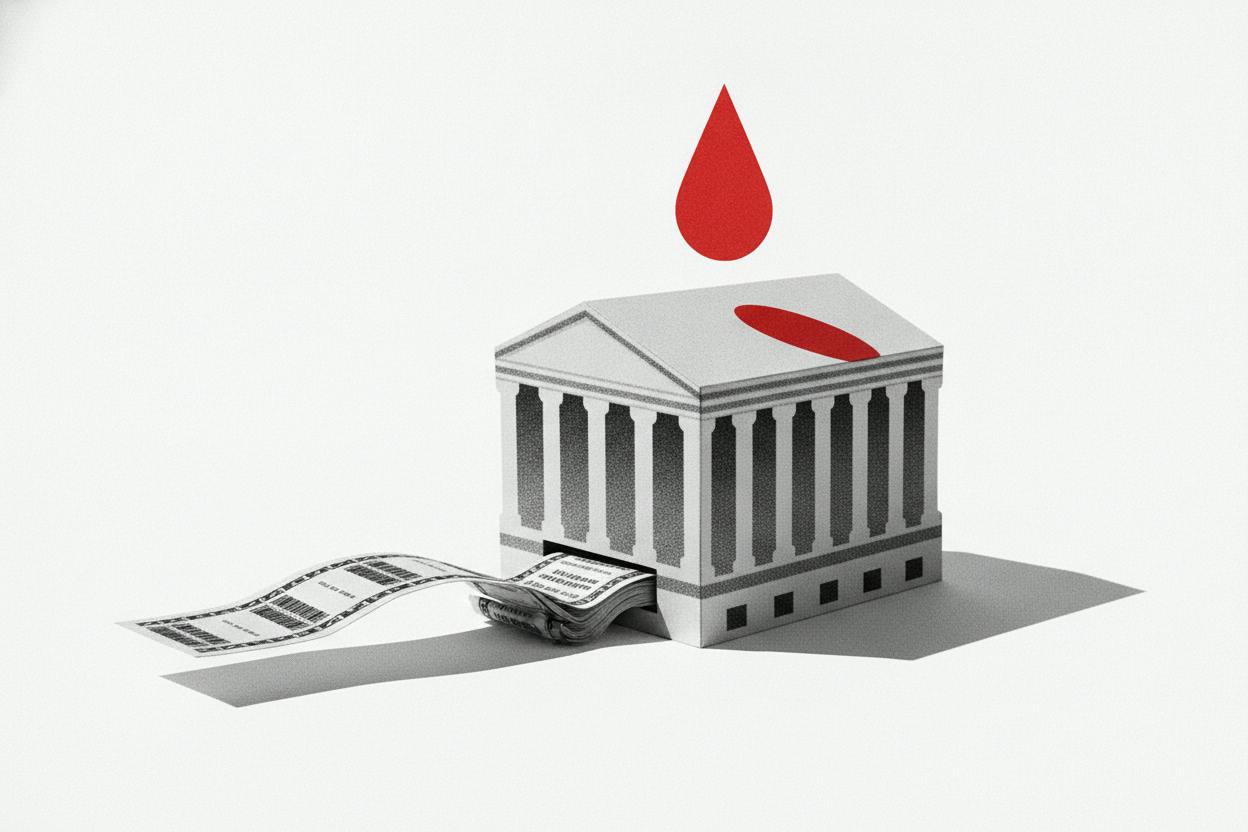
The Bank of England is widely expected to keep its main interest rate at 3.75% when it announces its decision on Thursday, but investors are also watching for a change in the pace of its bond-buying unwind. With oil prices climbing above $100 a barrel, markets are now pricing in a greater chance of a rate hike in September.
Two levers of UK monetary policy
The Bank has two main tools at its disposal. The first is Bank Rate, which directly influences the cost of borrowing for households and businesses. The second is quantitative tightening (QT), the process by which the Bank shrinks its portfolio of government bonds, known as gilts, by letting them mature and selling some into the market.
According to economists surveyed by Reuters, the Bank is expected to hold Bank Rate steady at 3.75% for a second consecutive meeting. But the same survey points to a likely slowdown in the pace of QT, with the annual gilt runoff expected to be trimmed to £50 billion from the current £70 billion.
Why slow the runoff?
Slowing the pace of QT would be a subtle but meaningful shift. By reducing the amount of gilts it sells each year, the Bank would be easing the upward pressure on long-term borrowing costs, even as it keeps short-term rates unchanged. This could help cushion the economy from the impact of higher energy prices, which have pushed inflation expectations up.
Governor Andrew Bailey has said there is no preset plan to hike rates unless the oil-driven rise in prices spills into broader inflation or wage growth. That leaves the Bank in a wait-and-see mode, balancing the need to contain inflation against the risk of tipping the economy into recession.
Oil's role in the rate outlook
The recent surge in oil prices, now above $100 a barrel, has complicated the picture. Higher energy costs feed directly into consumer prices, and if they persist, they could force the Bank to act more aggressively later in the year. Markets are already adjusting their expectations, with the probability of a September hike rising.
This dynamic is not unique to the UK. Central banks around the world are grappling with similar pressures, as oil's pullback steadies markets but rate hike odds remain high. The Federal Reserve and the Bank of Japan are also set to hike rates this week, according to market bets, reflecting a global tightening cycle.
What it means for investors
For everyday investors, the key takeaway is that UK interest rates are likely to stay higher for longer, even if the Bank pauses this month. That has implications for savings rates, mortgage costs, and the valuation of stocks and bonds.
If the Bank slows QT, it could provide some support to gilt prices, which have been under pressure from rising yields. That might be positive for bond investors, but it also signals that the Bank is wary of tightening financial conditions too much.
For equity investors, the outlook is mixed. Higher oil prices are a headwind for consumer spending and corporate margins, but they also boost energy stocks. The Dubai stocks gained as oil's 7% weekly surge kept Gulf markets on edge, illustrating how energy prices can move regional markets.
Looking ahead
The Bank's decision on Thursday will be closely scrutinised for any hints about the future path of rates. If the Bank signals that a September hike is on the table, that could push sterling higher and weigh on UK equities. Conversely, a dovish tone could ease some of the pressure.
Investors should also keep an eye on inflation data and wage growth figures, which will be key inputs for the Bank's next moves. As always, the Bank's communication will be just as important as the decision itself.
In the meantime, the ECB's recent rate hike to 2.5% shows that other central banks are still in tightening mode, and the Bank of England may not be far behind if inflation proves stubborn.