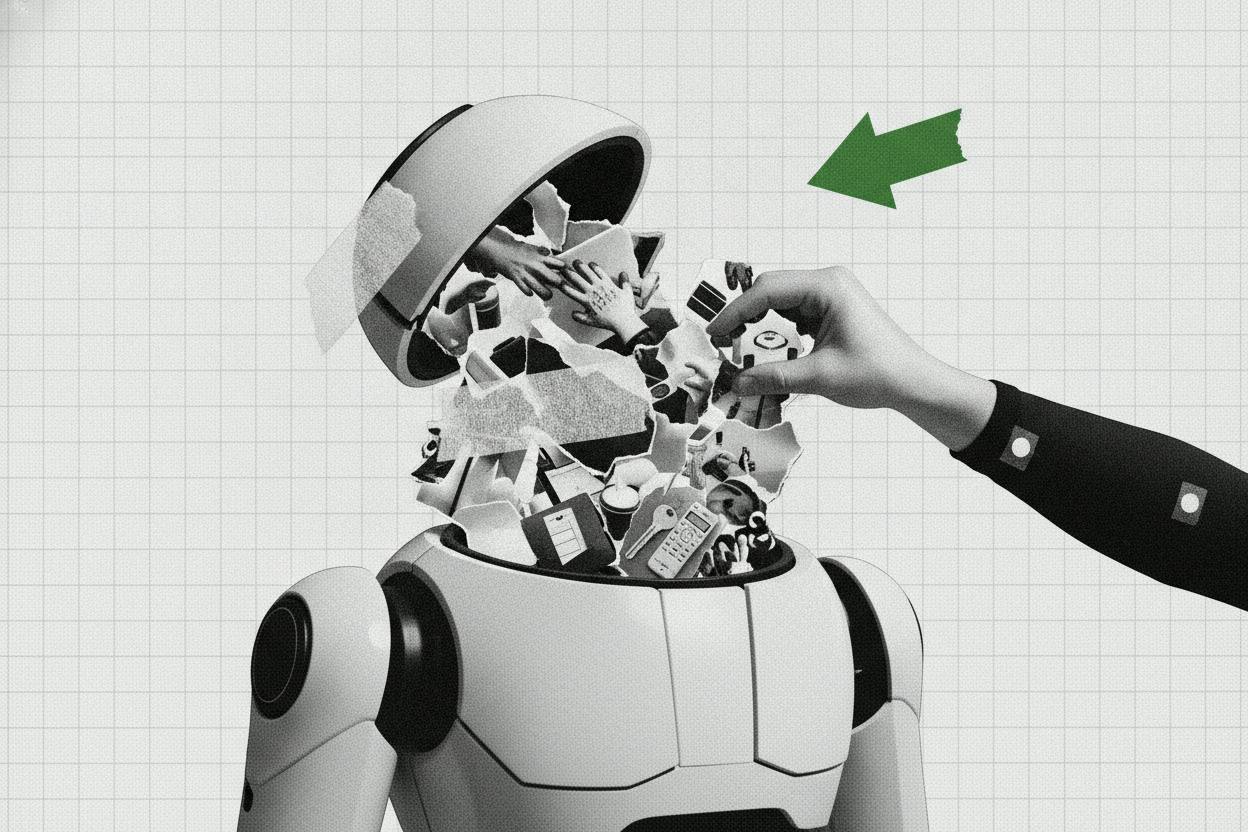
Humanoid robots are getting better at walking, running, and balancing, but their real challenge is thinking. That's the message from Spirit AI, a Beijing-based robotics startup, which told Reuters that the industry's bottleneck is no longer hardware but software—specifically, the data that trains robot 'brains' to handle the messy, unpredictable real world.
Spirit AI predicts a GPT-3-like breakthrough in robot software could arrive around mid-2027. That's the kind of leap that transformed AI chatbots from novelty to utility. But even with that step-change, the company says home-ready robots—machines that can reliably help around the house—could still be at least eight years away.
Why robot brains are the hard part
Recent demos of humanoid robots have been flashy, with machines running, jumping, and even doing backflips. But those performances are often carefully staged. The harder problem is reliability in everyday situations, where a robot must handle endless variations: different lighting, cluttered rooms, objects it has never seen, and tasks that require fine motor skills.
Spirit AI points to simple actions that remain stubbornly difficult, like unscrewing a bottle cap. A robot can be trained on thousands of bottle caps, but if it encounters a slightly different shape or a cap that's on tighter than usual, it may fail. The same goes for recognizing objects in unfamiliar contexts. This is where the 'data problem' comes in.
Large language models like GPT-3 were trained on vast amounts of text scraped from the internet. Robots don't have an equivalent treasure trove. They need real-world, physical interaction data—sensory input, motor commands, and outcomes—which is far harder to collect. You can't just download it; you have to generate it through actual robots doing actual tasks, slowly and expensively.
The road to home robots
Spirit AI's timeline suggests that even with a software breakthrough in 2027, it will take years more to refine the technology to the point where robots can safely and usefully operate in homes. That's a longer horizon than some enthusiasts hope for, but it aligns with the view of many engineers that the 'last mile' of robotics—making machines truly dependable—is the hardest.
For context, the robotics industry has seen waves of hype before. The promise of robots in warehouses and factories is already being realized, but home robots are a different beast. Homes are unstructured, full of people, pets, and unpredictable events. A robot that works in a controlled factory may struggle to find a spoon in a cluttered drawer.
The company's focus on data echoes a broader trend in AI. Just as self-driving car companies have realized that real-world driving data is crucial, humanoid robot developers are hitting the same wall. The robotaxi industry is also grappling with similar challenges, as companies like Waymo plan expansions but face the need for massive data collection and testing.
What it means for investors
For everyday investors, this news is a reality check on the timeline for humanoid robots. While the potential is enormous—robots that could assist the elderly, perform household chores, or work in dangerous environments—the path to mass adoption is long. That means companies in the space may burn cash for years before seeing meaningful revenue.
Investors should be cautious about hype. A demo video of a robot doing a backflip is impressive, but it doesn't mean the robot can fold laundry. The gap between 'athletic' and 'useful' is wide, and Spirit AI's comments highlight that the software side is the true bottleneck.
That said, the prediction of a GPT-3-like breakthrough by 2027 is a positive sign for the field. If such a leap occurs, it could accelerate progress significantly. But even then, the company's own estimate of eight years to home-ready robots suggests that patient capital is required.
For those looking at the broader robotics and AI sector, it's worth watching which companies are investing in data collection and simulation. Those that crack the data problem may have a competitive edge. But as with any emerging technology, there are no guarantees.
In the meantime, the robotics industry continues to evolve. China, in particular, is pushing hard on automation and AI, as seen in other sectors like copper demand and EV manufacturing. The country's focus on advanced manufacturing could give its robotics startups a boost, but the fundamental challenges remain the same.
For now, the takeaway is simple: humanoid robots are getting more capable, but they're not ready for prime time. The 'brains' need better data, and that will take time. Investors should keep that in mind when evaluating the next flashy robot demo.