China's market regulator has ordered two of the country's biggest electric vehicle makers to recall vehicles over safety-related component defects. BYD will recall 183,211 vehicles due to a brake pedal part, while Nio is recalling 686 of its Firefly EVs over a steering wiring issue.
What the recalls involve
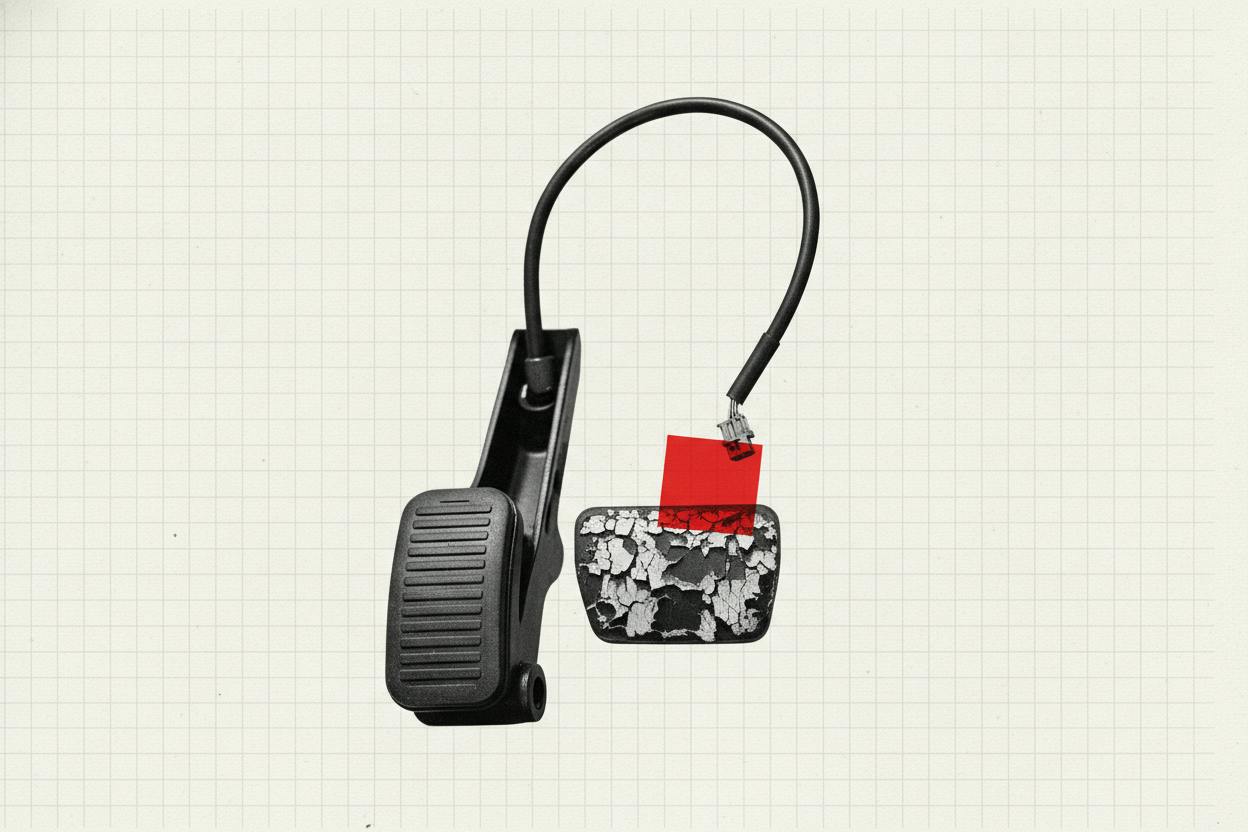
The State Administration for Market Regulation (SAMR) said BYD's recall covers certain Qin and Tang models built between 2014 and 2022. The problem lies in a brake pedal “stopper pad” that can crack or detach over time. In the worst case, the brake lights could stay on even when the driver is not pressing the pedal, which could confuse drivers behind and increase the risk of a collision. BYD will replace the part free of charge through its authorized dealers.
Nio's recall is much smaller, affecting just 686 units of its Firefly subcompact EV. The issue is a steering wiring problem that could affect steering performance. Nio will inspect and repair the affected vehicles at no cost to owners.
Recalls are a routine part of the auto industry, and Chinese regulators have been increasingly active in ordering them as the country's EV market has exploded. For BYD, which sells millions of vehicles a year, a recall of roughly 183,000 units is a relatively small slice of its total fleet, but it still represents a logistical and reputational challenge.
Why this matters for investors
For investors, recalls are a double-edged sword. On one hand, they show that regulators are monitoring safety and that companies are willing to fix problems, which can support consumer trust over the long term. On the other hand, recalls carry direct costs—parts, labor, and logistics—and can dent brand perception, especially in a competitive market like China where buyers have many choices.
BYD is the world's largest EV maker by volume, and its scale means even a large recall is unlikely to move its financials dramatically. But the company has been expanding aggressively into overseas markets, and any perception of quality issues could complicate its global push. Nio, meanwhile, is a smaller, premium-focused player that has been trying to build a reputation for quality and technology; a steering defect, even in a small number of cars, could be more damaging relative to its size.
The recalls also come at a time when Chinese EV makers are under intense pricing pressure. A price war that has dragged on for months has squeezed margins across the industry. China's broader industrial demand remains a key driver of global commodity markets, but for automakers, the focus is on cost control and reliability.
What to watch next
Investors will be watching how quickly BYD and Nio can complete the repairs and whether any further issues emerge. Regulators in China have shown they are willing to order recalls when they find defects, and the bar for safety compliance is rising. That could mean more recalls across the industry as EV technology evolves and vehicles age.
For BYD, the recall is a reminder that rapid production growth can sometimes outpace quality control. The company has been a dominant force in China and is expanding into Europe and other regions, where safety standards are strict and recalls can attract heavy scrutiny. Trade tensions with the EU have already complicated Chinese automakers' export plans, and any quality misstep could add to those challenges.
For Nio, the Firefly recall is a test of its ability to handle quality issues smoothly. The company has been investing heavily in new models and battery-swapping infrastructure, and it needs to reassure customers that its cars are safe and reliable. Broader market sentiment has been shaky, and any negative news can weigh on shares.
Recalls are not uncommon in the auto industry, and many investors view them as a normal cost of doing business. The key is whether the companies can fix the problems quickly and without further incidents. If they do, the impact on their long-term prospects is likely to be limited. If not, the reputational damage could be more lasting.
For everyday investors, the takeaway is to keep an eye on how these recalls are handled. A swift, transparent response can actually boost confidence, while a slow or messy one can raise questions about management and quality control. As China's EV market matures, safety and reliability will become even more important differentiators.