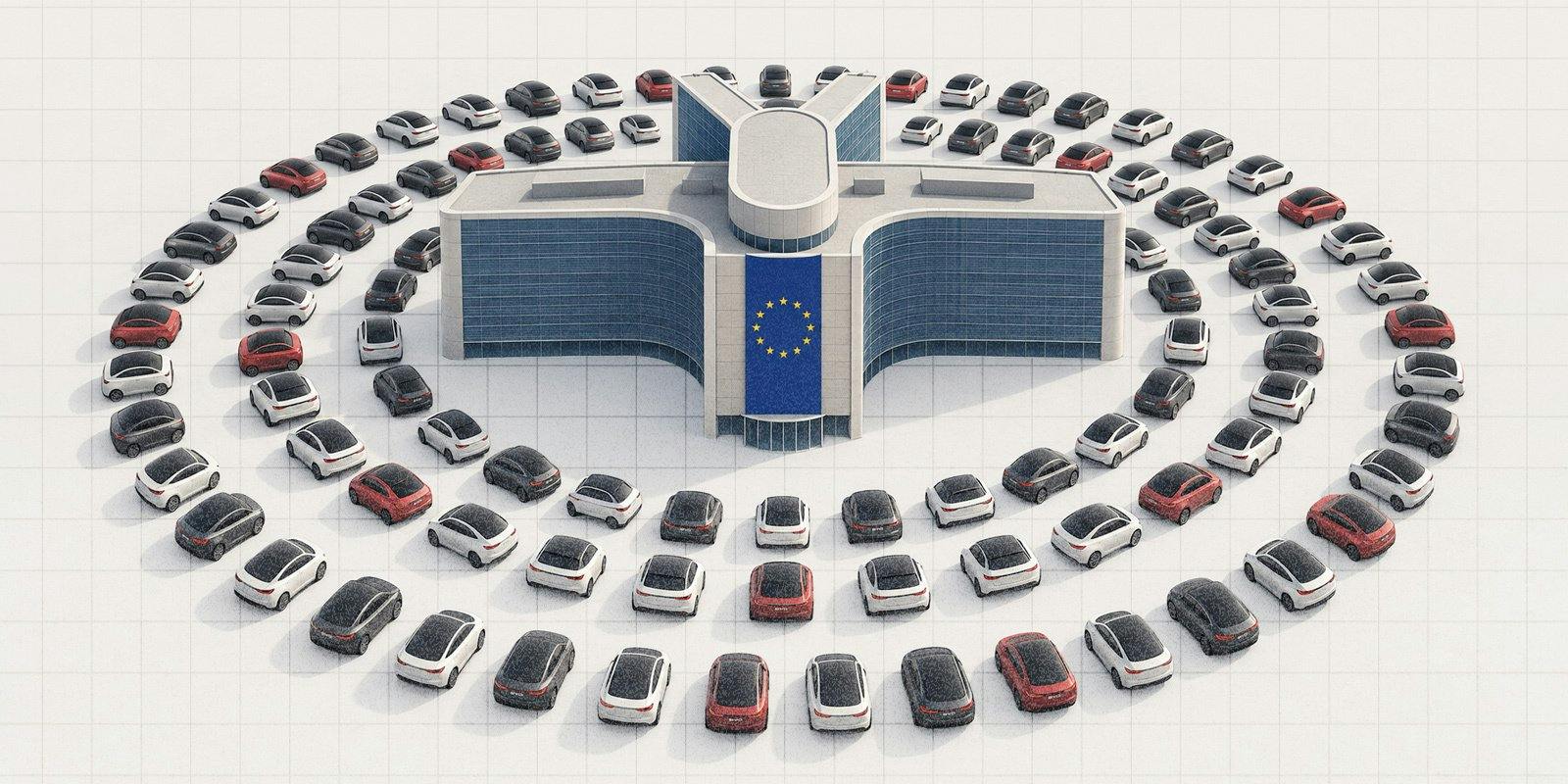
The European Union is taking a softer approach with China over the surge in hybrid car imports: it's asking Beijing to voluntarily limit exports, with the implicit threat of new tariffs if no agreement is reached. The request comes as Chinese-made hybrids have rapidly gained ground in European showrooms, squeezing local automakers that were already struggling.
The backstory: tariffs on EVs, but not hybrids
In October 2024, the EU imposed tariffs of up to 45% on Chinese-made electric vehicles (EVs). The move was designed to level the playing field for European carmakers, which were losing market share to cheaper Chinese EVs. The tariffs worked, at least for EVs—imports of Chinese EVs slowed noticeably.
But there was a loophole: hybrids were not included in the tariff hike and remained at the standard 10% import duty. Chinese automakers quickly pivoted, shifting their export focus from EVs to plug-in hybrids. The numbers tell the story: monthly hybrid exports from China to the EU jumped from just 3,800 in October 2024 to 50,000 by July 2026. Today, Chinese brands account for more than a third of the EU's plug-in hybrid market.
Why the EU is asking nicely
The EU's request for "voluntary" export caps is a diplomatic tactic. Rather than immediately imposing new tariffs—which could escalate trade tensions and invite retaliation—the bloc is giving China a chance to self-regulate. If China agrees, the EU avoids a messy trade dispute. If not, the threat of tariffs remains on the table.
This approach mirrors other trade negotiations where the EU has used the threat of tariffs as leverage to secure concessions. It's a calculated move: the EU wants to protect its domestic auto industry without triggering a full-blown trade war.
What this means for European carmakers
European automakers have been under pressure from Chinese competition on multiple fronts. The weakness in China and rising costs have already forced analysts to cut price targets for major players like Mercedes. The influx of cheap hybrids only adds to the strain, as consumers are drawn to the lower prices and the convenience of plug-in hybrids, which offer electric driving for short trips and a petrol engine for longer journeys.
If the EU succeeds in capping hybrid exports, it could give European carmakers breathing room to catch up on technology and cost competitiveness. But if no deal is reached and tariffs are imposed, the impact could be more complex. Tariffs would raise prices for consumers and could slow the transition to cleaner vehicles, a key EU policy goal.
What it means for investors
For investors, this is a story about trade policy and its ripple effects on the auto sector. European carmakers like Volkswagen, Stellantis, and Renault could benefit from any restriction on Chinese hybrids, as it would reduce competitive pressure. On the other hand, Chinese automakers with significant European exposure, such as BYD and MG (owned by SAIC), could see their growth prospects dim if export caps are imposed.
The outcome of these negotiations will also signal how the EU plans to handle trade with China more broadly. A voluntary agreement could set a precedent for other industries, while a breakdown could lead to more tariffs and countermeasures.
Investors should watch for any official announcements from the EU or China regarding the talks. A deal would likely be seen as positive for European auto stocks, while a failure could lead to renewed volatility in the sector.
The bigger picture
This isn't just about cars—it's about the global trade landscape. The EU's move comes amid broader tensions between Western economies and China over technology, manufacturing, and market access. The blocked Meta deal and other disputes highlight the delicate balance between cooperation and competition.
For now, the EU is choosing diplomacy over confrontation. Whether that approach works remains to be seen, but the message is clear: if China doesn't play ball, the tariffs will follow.