Accell, the Dutch bicycle manufacturer behind well-known brands such as Sparta, Batavus, and Raleigh, has announced that it has started insolvency proceedings. The company said it can no longer meet its financial obligations, a stark reversal for a business that was riding high just a few years ago.
From boom to bust
Europe's bike industry went through a dramatic swing in a short period. During the pandemic, demand for bicycles surged as people avoided public transport and sought outdoor exercise. Bike makers struggled to keep up, and supply chains were stretched. But that boom has faded. Now, the market is facing a glut of unsold bikes, heavy discounting, and softer consumer demand.
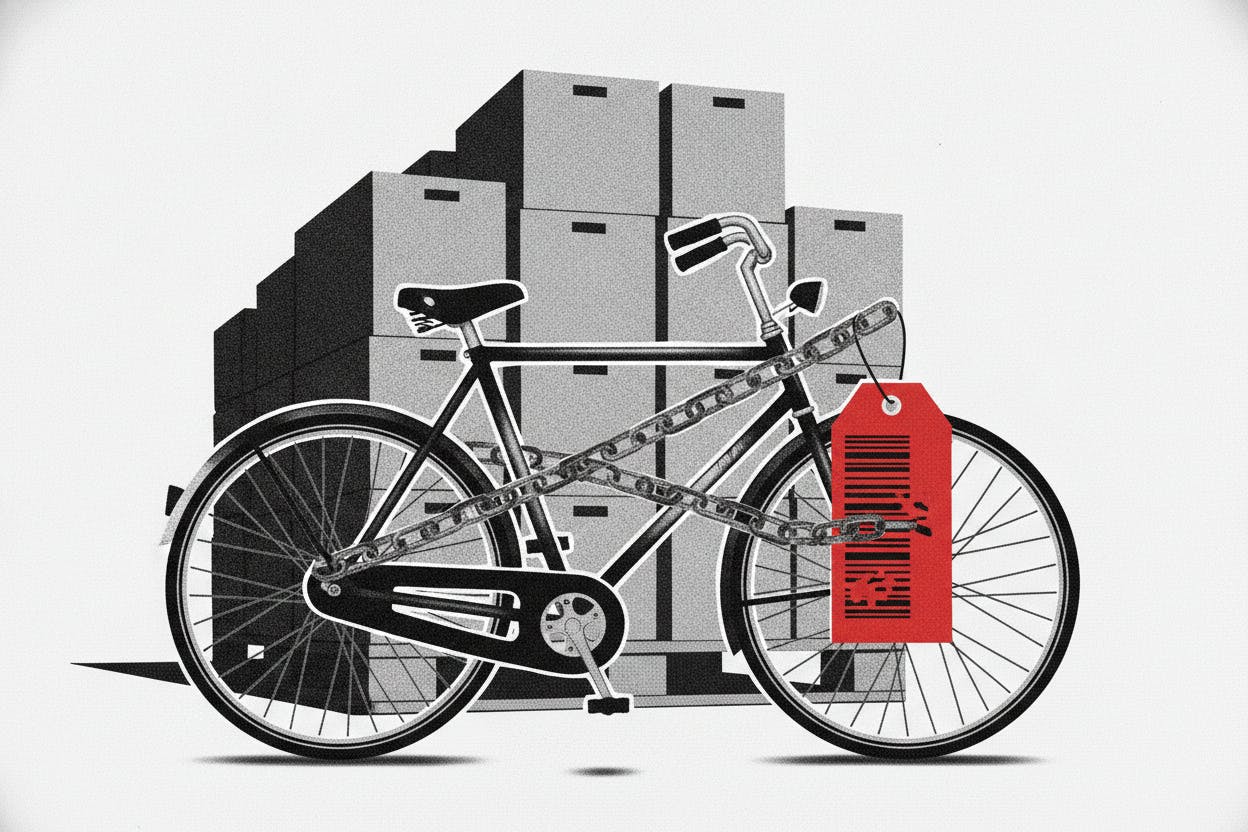
Accell got caught in the middle of that whiplash. After a private equity group led by KKR took the company private in a €1.56 billion deal in 2022, the company found itself with too much inventory and not enough buyers. According to Reuters, the combination of excess stock, price cuts, and weak demand has been brutal for cash flow. Unsold bikes tie up money in warehouses, and discounting squeezes profit margins, leaving less room to cover interest payments and other near-term bills.
What insolvency means
Insolvency is a legal process that begins when a company cannot pay its debts as they come due. It can lead to restructuring, asset sales, or even liquidation. For Accell, the move is a significant step, but it does not necessarily mean the end of the brands. In some cases, insolvency proceedings allow a company to continue operating while it tries to find a buyer or reorganize its finances.
Accell's situation is not unique. The broader European bike market has been struggling as the pandemic-era demand boom reversed. Many manufacturers and retailers are dealing with high inventory levels and reduced consumer spending, especially on big-ticket items like bicycles. The economic backdrop, including higher interest rates and inflation, has also made consumers more cautious about discretionary purchases.
What it means for investors
For everyday investors, the Accell story is a reminder of how quickly market conditions can change. Companies that benefit from a sudden surge in demand can find themselves overextended when that demand fades. The bike industry's boom-and-bust cycle is a classic example of how supply chain decisions made during a peak can come back to haunt a business later.
Private equity takeovers, like the one KKR led, often involve significant debt. When a company's cash flow deteriorates, that debt can become a heavy burden. Investors should be aware that highly leveraged companies are more vulnerable to economic downturns or shifts in consumer behavior.
For those who own shares in publicly traded bike companies or related suppliers, the news could signal broader weakness in the sector. It may also affect companies that rely on bike sales, such as parts makers or retailers. However, it's important to remember that each company has its own financial situation, and not all will face the same challenges.
Looking ahead
The insolvency proceedings will likely take time, and the outcome is uncertain. Accell's brands have a long history and loyal customer bases, which could make them attractive to potential buyers. But the company's ability to navigate this process will depend on market conditions and its ability to reduce its debt load.
For now, the focus will be on how Accell manages its operations during the proceedings and whether it can find a path forward. The broader European bike market will also be watched closely, as other companies may face similar pressures if demand continues to weaken.
Investors should keep an eye on the sector for signs of stabilization, such as inventory levels returning to normal or consumer demand picking up. But as Accell's situation shows, the road back can be long and uncertain.