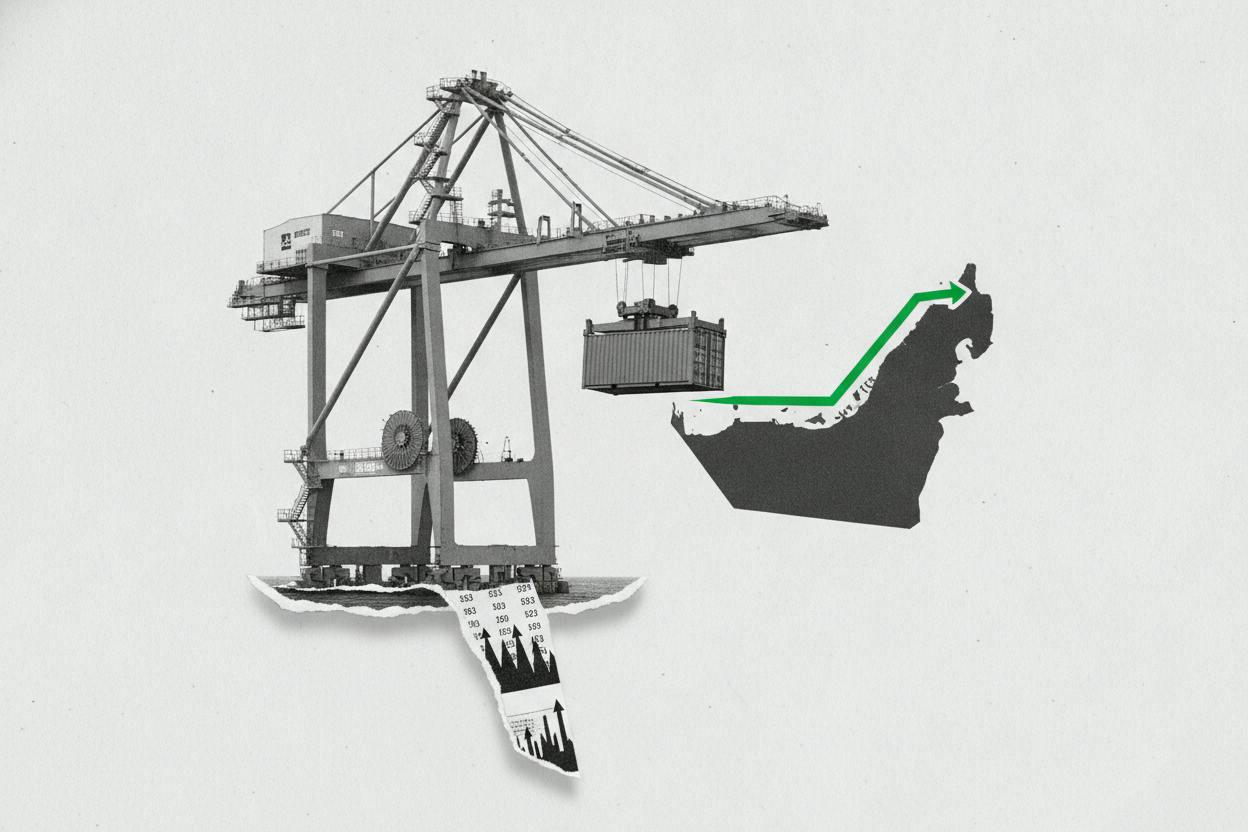
AD Ports Group, the state-backed ports and logistics operator based in Abu Dhabi, delivered a record third-quarter profit, helped by its ability to keep trade moving through alternative routes despite regional disruptions. Net profit rose 64% from a year earlier to 975 million dirhams (about $265 million), the company said.
Revenue climbed 48% to 7.99 billion dirhams, with growth across its main business lines. The company said its Ports unit recovered quarter-on-quarter by leaning on “alternative multimodal trade routes” as shipping flows were disrupted around the Strait of Hormuz. That included shifting feeder services to Fujairah Terminals and Khor Fakkan Port, and adding land and air links plus warehousing.
Why rerouting matters
The Strait of Hormuz is a critical chokepoint for global oil and gas shipments, and any tension in the region can force shipping lines to seek safer or more reliable paths. For a ports operator like AD Ports, that can mean both challenges and opportunities. When normal routes are disrupted, ports that can offer alternatives—such as Fujairah, on the UAE's east coast, and Khor Fakkan, on the Gulf of Oman—can capture diverted cargo.
AD Ports' ability to pivot quickly to these alternative routes helped it post a record profit in a period when many logistics companies were grappling with higher costs and delays. The company's diversified model, which includes ports, logistics, and maritime services, also helped cushion the impact of regional volatility.
The cash flow puzzle
But the report also highlighted a common tension in capital-intensive industries: profits don't always equal cash. AD Ports reported free cash flow of negative 691 million dirhams in the quarter, largely because of cash paid for its acquisition of Brazil's Corredor Logística e Infraestrutura Group. The company also published an “adjusted” free cash flow figure of positive 1.17 billion dirhams, which excludes that deal-related outflow.
For investors, the difference between those two numbers is key. Free cash flow—the cash left after running the business and funding capital spending—is what supports debt payments, dividends, and future expansion. A big acquisition can make the headline number look weak even when day-to-day operations are throwing off cash, since the purchase price hits cash flow immediately while the earnings contribution arrives over time.
What it means for investors
So how should investors read this quarter? It depends on how much weight they put on the adjusted figure. If the market accepts that most of the gap between negative 691 million and positive 1.17 billion dirhams is deal-related and non-recurring, the profit record can look like improving operations with growth spending on top. If it sees the cash deficit as a sign of tighter liquidity, it could change how both equity and credit investors judge the company's near-term financial flexibility.
For everyday investors, the takeaway is that a company's reported profit and its cash generation can tell different stories, especially when acquisitions are involved. It's worth looking beyond the headline earnings number to understand what's driving the cash flow—and whether that cash flow is sustainable.
AD Ports' performance also comes against a backdrop of broader market movements. For instance, European stocks have been near records on AI optimism, while Singapore Airlines saw profits slide on higher fuel costs. These show how different sectors are reacting to global pressures.
For AD Ports, the next thing investors will likely watch is whether the rerouting gains are temporary or become a lasting part of its business model. If regional tensions persist, the company's ability to offer alternative routes could continue to drive growth. But if tensions ease, some of that diverted cargo may return to traditional routes.
Also on the horizon is the integration of the Brazilian acquisition, which will determine how quickly the cash outflow translates into earnings. Investors will be looking for signs that the deal is delivering the expected synergies and not straining the company's balance sheet.
In the meantime, the record profit is a clear sign that AD Ports is navigating a difficult environment well. But as the cash flow numbers show, even strong earnings can come with strings attached.