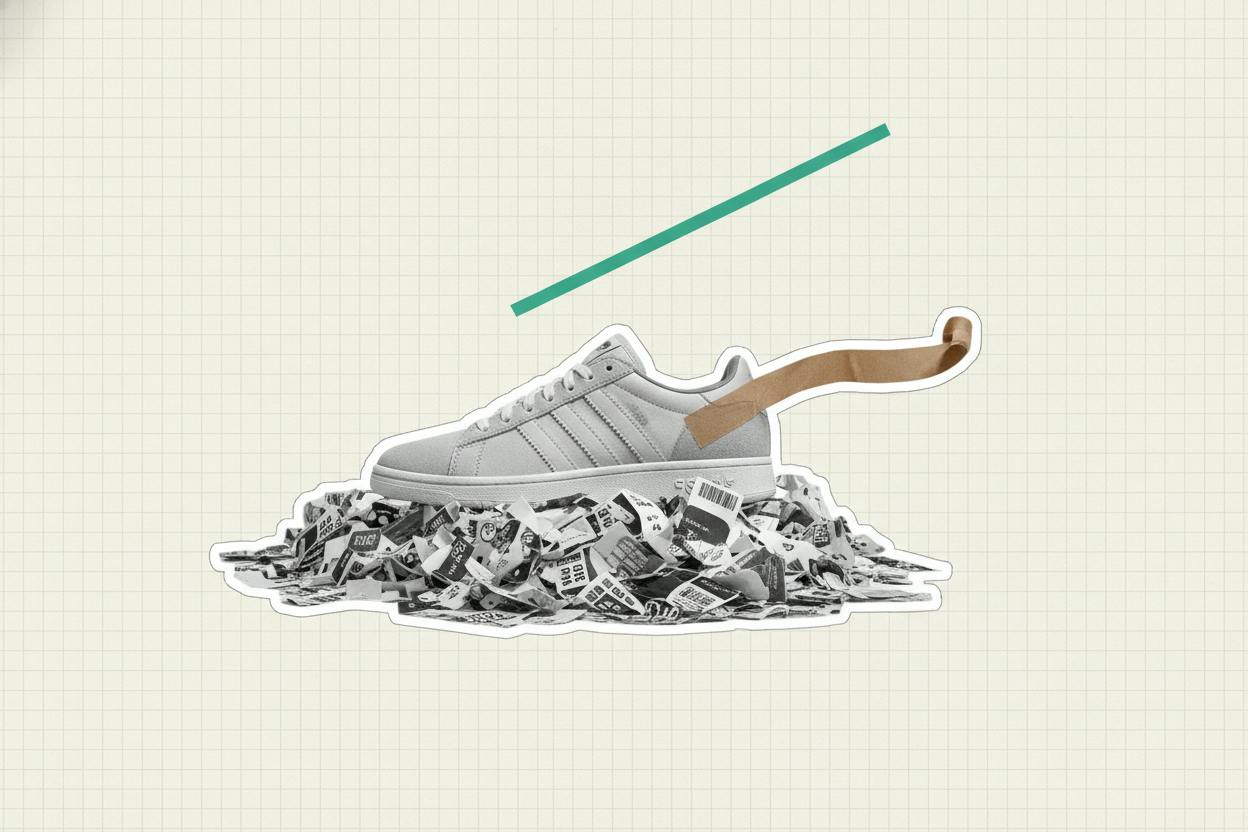
Adidas is betting that Europe, its largest but recently weakest market, is ready to bounce back. After third-quarter sales in the region slipped 4% to €2.24 billion, the sportswear giant now expects high single-digit growth in Europe during the last three months of 2026. The company attributes the earlier slump to retailers carrying excess inventory and leaning heavily on promotions, a familiar problem in the apparel industry.
Europe's weight in Adidas's portfolio
Europe punches above its weight for Adidas, accounting for nearly a third of group sales. That makes the region's performance critical to the company's overall results. When a market of that size stumbles, it drags down the entire picture, even if other regions are thriving.
CEO Bjorn Gulden pointed to a "strong order book" as evidence that the slowdown is temporary. He guided to high single-digit growth in Europe in the fourth quarter, helped by delayed shipments that slipped into the period and higher sales to wholesalers—the retailers and distributors that Adidas sells to. This is a common pattern: when products are shipped later than planned, revenue gets booked in a later quarter, making the numbers look better even if underlying consumer demand hasn't fully recovered.
Strength elsewhere
While Europe has been the weak spot, Adidas is growing faster in other key markets. Quarterly sales rose 12% in North America and 13% in Greater China, where the brand says it is taking market share from rival Nike. That contrast highlights a broader shift: Adidas's revival, which began with the success of its Samba and Gazelle sneakers, is now being driven by regions outside its home continent.
Investors appeared to like the mix of a potential European stabilization and strength abroad. JPMorgan, an investment bank, pointed to management's reassuring tone on the region, suggesting that the market sees the glass as half full.
What it means for investors
For investors, Adidas's Q4 Europe rebound is as much about timing as demand. When companies talk about "delayed shipments," they're often describing a calendar shift: products get delivered and counted as revenue a bit later than planned. Add in heavier selling to wholesalers, and reported sales can look better even if shoppers haven't fully returned.
The catch is that wholesaler orders (the "sell-in") can run ahead of what consumers actually buy (the "sell-through") when stores are still clearing old inventory with discounts—the same backdrop Adidas cited for Q3 weakness. If retailers are still sitting on excess stock, they may not place follow-up orders once the one-off shipment bump passes. That's the key test for Adidas's Frankfurt-listed shares: whether the region's discounting hangover fades enough to keep orders steady.
Europe's broader economic picture adds another layer. With European stocks edging up as the European Central Bank weighs rate decisions and earnings season unfolds, consumer confidence in the region remains fragile. Higher interest rates have weighed on spending, and property markets are re-trading as borrowing costs bite. That backdrop makes a sustained consumer recovery in Europe less certain.
Adidas's guidance also comes amid a broader European earnings season where companies are under pressure to show that 2026 targets are achievable. The company's ability to hold its raised forecast, supported by a 37% surge in running sales, suggests momentum is intact, but the European discounting issue remains a wildcard.
The bottom line
Adidas's message is clear: Europe is not permanently broken, just temporarily bruised. The fourth quarter will test whether that optimism is justified. If the region returns to growth as guided, it would remove a major drag on the company's results and could support the stock. But investors should watch whether the rebound is driven by genuine consumer demand or just a timing shift in shipments.
For everyday investors, the takeaway is to look beyond the headline numbers. A quarter of "growth" that relies on delayed shipments and wholesaler orders may not be as strong as it appears. The real signal will come in the following quarters, when the one-off effects fade and we see if European shoppers are actually buying more.