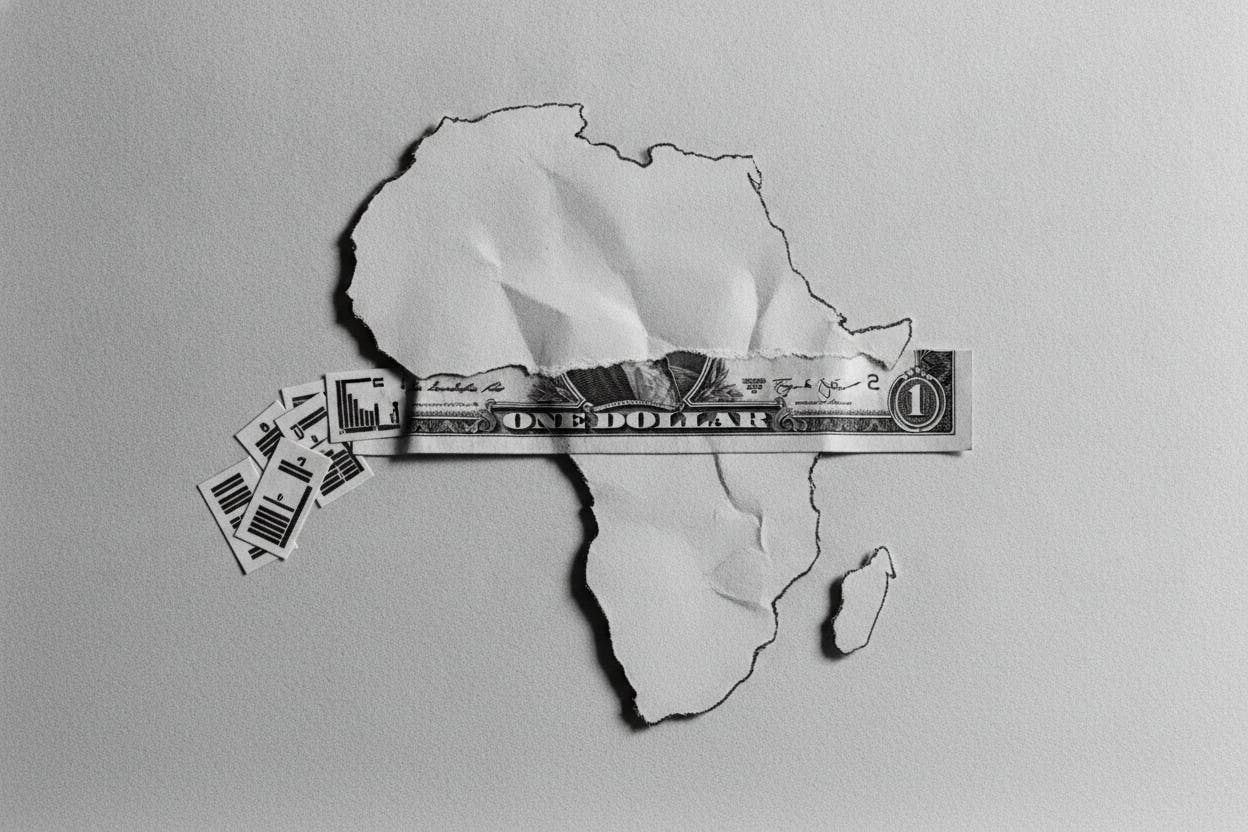
Currency traders are bracing for a split week across African markets, with some currencies expected to hold their ground while others soften against the dollar. Zambia's kwacha is seen steady, Ghana's cedi and Uganda's shilling are leaning softer, and Nigeria's naira and Kenya's shilling are expected to edge higher.
This isn't a single "Africa trade" but rather a set of local dollar supply-and-demand stories. Each currency is responding to its own domestic pressures, from political events to commodity prices and central bank policies.
Zambia: kwacha steady amid political caution
In Zambia, traders see the kwacha holding around 19.18 per dollar after slipping from 18.98 a week earlier. The slight depreciation reflects caution tied to President Hakainde Hichilema's Tuesday swearing-in, which keeps investors on edge and limits big moves.
Political transitions often create uncertainty, and currency markets tend to react to perceived risks. The kwacha's steadiness suggests that, for now, traders are waiting to see how the new administration's policies unfold before making larger bets.
Ghana and Uganda: softer but not sliding
Ghana's cedi and Uganda's shilling are both expected to soften, though the moves are likely to be modest. In Ghana, the cedi has faced persistent pressure from high import demand and limited dollar inflows, a common challenge for economies that rely heavily on imported goods.
Uganda's shilling, meanwhile, often feels the pull of seasonal factors, such as corporate demand for dollars to pay for imports or dividends. A softer shilling can make imported goods more expensive, feeding into inflation, but a gradual decline is rarely a cause for alarm.
Nigeria and Kenya: naira and shilling edge higher
On the other side, Nigeria's naira and Kenya's shilling are expected to inch higher. In Nigeria, the naira has been supported by recent policy measures aimed at boosting dollar liquidity, including efforts to attract foreign investment. A firmer naira can help ease import costs and reduce inflationary pressure.
Kenya's shilling has also been firming, helped by improved tourism receipts and remittances from Kenyans abroad. A stronger shilling can make imports cheaper and help the central bank in its fight against inflation.
What this means for investors
For everyday investors, currency movements matter in several ways. If you hold assets denominated in these currencies, a softer currency can erode your returns when converted back to dollars. Conversely, a firmer currency can boost the value of your investments.
For those investing in African stocks or bonds, currency risk is a key consideration. A weakening currency can offset gains made in local markets, while a strengthening one can amplify them. It's also worth noting that currency stability often attracts foreign investment, which can support both equity and bond markets.
The broader backdrop is also important. The dollar has been firming globally as traders await key US economic data and signals from the Federal Reserve's Jackson Hole symposium. A stronger dollar typically puts pressure on emerging market currencies, including those in Africa. For more on that, see our piece on the dollar's recent strength.
Similarly, the South African rand has been steadying as investors watch for inflation data and Fed signals, highlighting how global factors ripple through the continent.
What to watch next
Traders will be watching several factors in the coming days. In Zambia, any policy announcements from the new government could move the kwacha. In Ghana, the central bank's next rate decision will be closely watched, as will any updates on the country's debt restructuring talks.
In Nigeria, the central bank's efforts to unify the exchange rate and attract foreign capital will be key. In Kenya, the shilling's strength will depend on continued inflows from tourism and remittances, as well as the central bank's willingness to intervene.
Globally, the Federal Reserve's Jackson Hole symposium is a major event for all emerging market currencies. If the Fed signals more rate hikes, the dollar could strengthen further, putting pressure on African currencies. If it hints at a pause, the dollar might ease, giving some relief.
For investors, the takeaway is that African currencies are not a monolith. Each has its own drivers, and understanding those can help you make more informed decisions about your exposure to the region.



