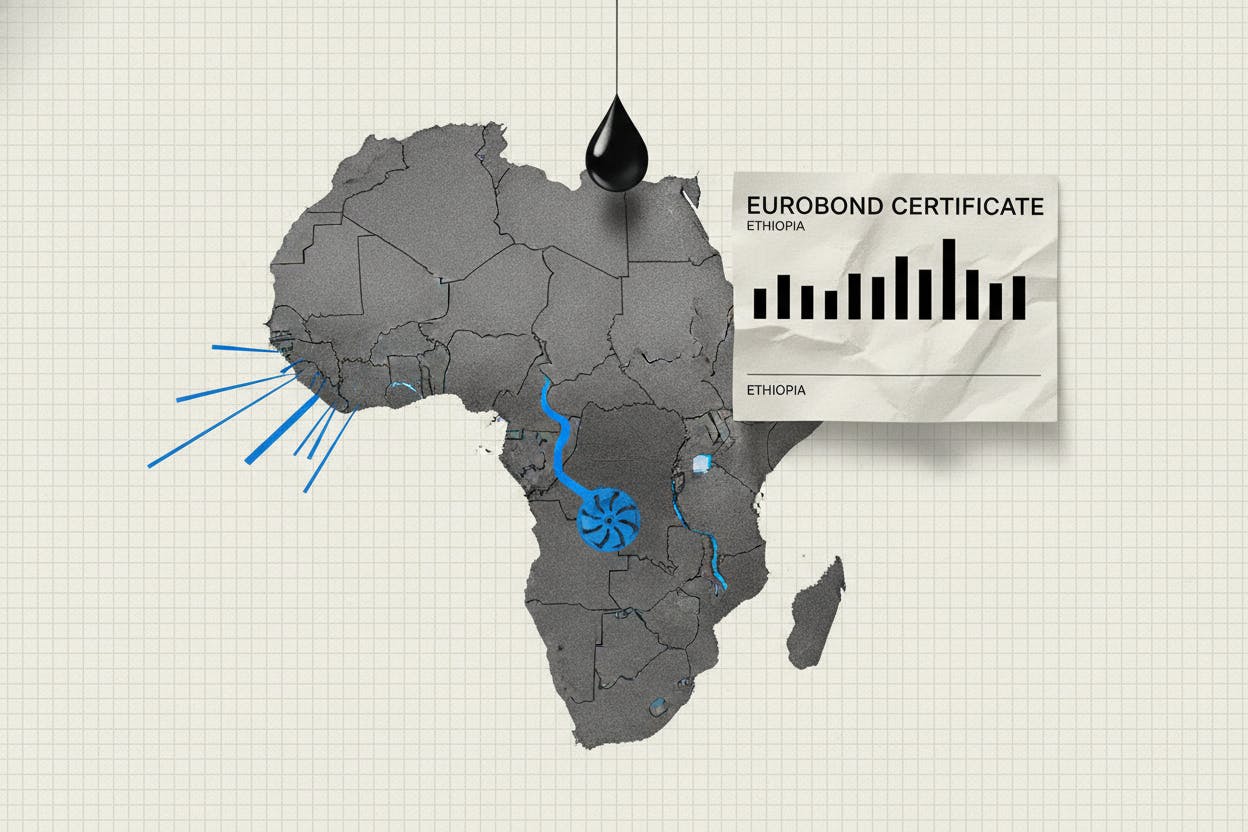
African markets kicked off the week with investors balancing several moving parts: oil prices slipped ahead of a Washington update on Iran sanctions, Tanzania brought a major new power plant online, and Ethiopia took a step closer to resolving its long-running debt default.
Oil and Iran Sanctions
Crude prices eased as traders awaited clarity on US policy toward Iran. The prospect of tighter sanctions could remove barrels from the global market, which tends to support prices. Conversely, any sign of a softer stance could add supply and push prices down. For African oil importers, cheaper crude is generally a relief, while exporters like Nigeria and Angola watch for price swings that affect their export revenues.
The situation echoes broader concerns about supply disruptions, as seen in recent market moves tied to Iran sanctions. Investors are also keeping an eye on how these developments might influence global inflation and central bank policy, which in turn affects capital flows to emerging markets.
Tanzania's Hydropower Milestone
Tanzania switched on a 2,115-megawatt hydropower plant, a significant addition to the country's electricity capacity. For context, that's enough to power millions of homes and could help ease chronic power shortages that have hampered businesses and deterred investment. The plant is part of a broader push to expand energy access across East Africa, where reliable electricity remains a key constraint on economic growth.
For investors, improved power infrastructure can make a country more attractive for manufacturing and other energy-intensive industries. It also reduces the need for costly diesel generators, which many businesses currently rely on. The project could support Tanzania's efforts to industrialise and boost its export competitiveness.
Ethiopia's Eurobond Progress
Ethiopia moved closer to resolving its $1 billion Eurobond default, a development that has been closely watched by bondholders and emerging-market investors. The country defaulted in 2023 after struggling with foreign currency shortages and high debt levels. A deal would allow Ethiopia to restructure its obligations and potentially regain access to international capital markets.
Successful negotiations could set a positive precedent for other African nations facing debt distress. However, the process is often complex, involving multiple creditors and economic reforms. Investors will be watching for the final terms, which will determine how much of their original investment they recover.
What It Means for Investors
For everyday investors, these stories highlight the interconnectedness of global markets. Oil price movements affect everything from fuel costs to inflation, which can influence interest rates and stock valuations. A major infrastructure project like Tanzania's hydropower plant can signal growth opportunities in emerging markets, though such investments carry higher risks.
Ethiopia's debt situation is a reminder that investing in sovereign bonds of developing countries can be rewarding but also volatile. While a resolution is positive, the process can take time and outcomes are uncertain.
Investors with exposure to African markets—through exchange-traded funds, mutual funds, or individual stocks—should monitor these developments. They also tie into broader trends, such as the rally in Latin American markets as the dollar softens, and the copper rally lifting miners, which reflect shifting commodity dynamics.
As always, diversification remains key. Events in one region can ripple across asset classes, so a well-balanced portfolio is the best defense against unexpected shocks.