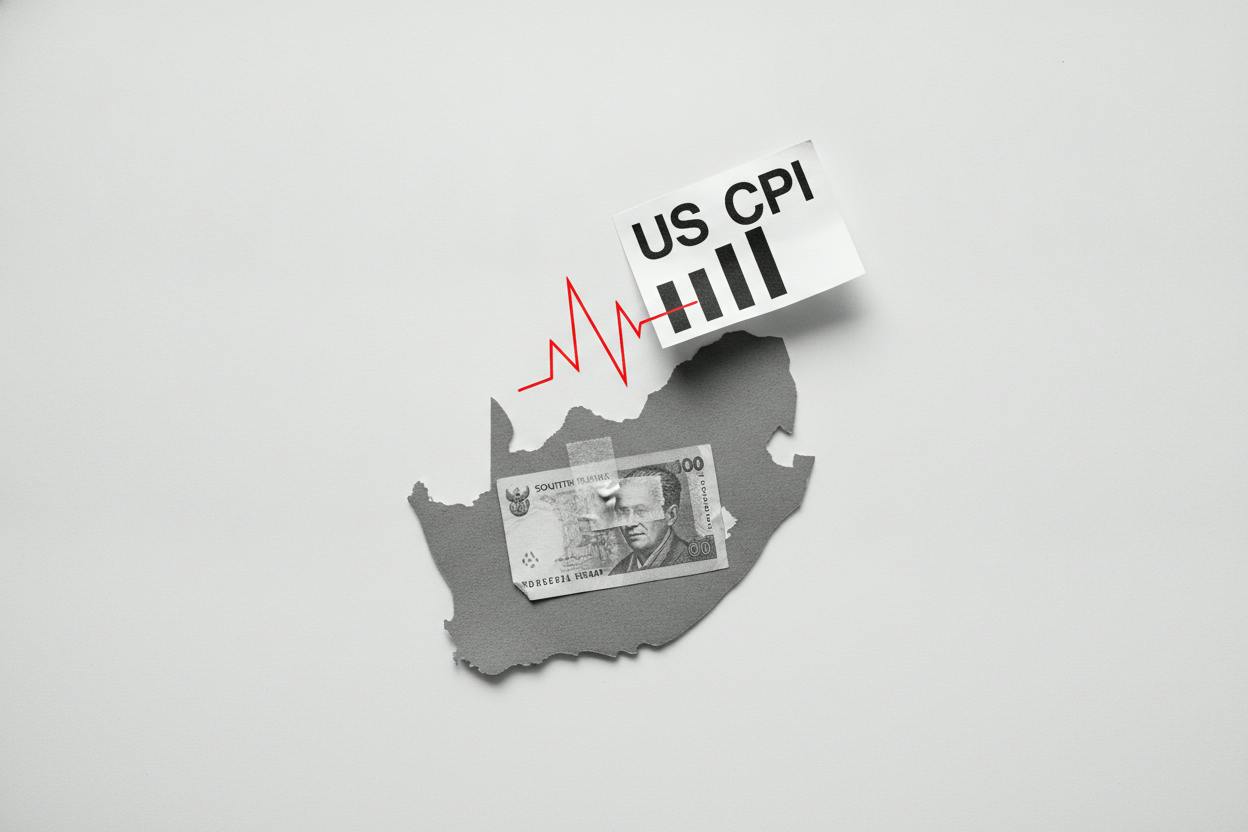
African markets are treading carefully this week as investors around the world turn their attention to a key US inflation report. The cautious mood is visible across the continent: oil prices have slipped, South Africa's rand is holding steady, and Nigeria's Dangote Petroleum Refinery has pushed back the closing date for its initial public offering (IPO) by two weeks, to October 27th.
The common thread is that the tone in Africa is being set overseas. Global markets have become more cautious as investors reassess the recent rally in big tech stocks and keep an eye on geopolitical tensions. That kind of risk-off sentiment often spills into emerging-market assets, including African currencies and bonds.
Why US inflation matters for Africa
For South Africa, the immediate question is what the US inflation data will say about the Federal Reserve's next move on interest rates. If the numbers come in hotter than expected, traders typically start pricing in a more aggressive Fed — meaning they expect the central bank to keep interest rates higher for longer. That tends to push up short-term US Treasury yields and lift the dollar.
A stronger dollar and higher US yields are a double-edged sword for emerging markets. When the world's benchmark 'risk-free' assets pay more, global investors often demand higher returns to hold riskier, dollar-sensitive investments. That pressure can hit currencies like the rand and also weigh on African sovereign dollar bonds — government debt sold in dollars.
As traders await the US inflation data, the rand's calm appearance may be misleading. A steady currency right now is less a sign of comfort and more a pause before the data resets global funding conditions. If US inflation surprises to the upside, the rand could weaken quickly as investors adjust their expectations for Fed policy.
Oil's mixed signal
Commodities add another layer of complexity. Oil prices have dipped, which can be a welcome development for oil-importing countries in Africa because it eases inflation pressure. But lower oil prices can also reflect softer global growth expectations — and that is not necessarily good news for exporters or for the broader emerging-market outlook.
The relationship between oil and African markets is not one-size-fits-all. Nigeria, for example, is a major oil exporter, so lower prices can hurt government revenues and put pressure on the naira. South Africa, by contrast, is a net importer, so cheaper crude can help contain inflation and support consumer spending. The mixed signal from oil is another reason why investors are staying cautious.
Dangote's IPO delay: a reminder of company-specific risks
Meanwhile, the Dangote Petroleum Refinery's decision to extend its IPO window by two weeks to October 27th is a reminder that company-specific funding plans still matter, even when global sentiment is fragile. The extension gives potential investors more time to decide, but it also suggests that demand may not be as strong as initially hoped.
IPOs are sensitive to market conditions. When global markets are volatile, investors tend to be more selective about new listings, especially in emerging markets. The Dangote refinery is a massive project — one of the largest in Africa — and its IPO is closely watched as a test of investor appetite for large-scale African infrastructure plays.
The delay is not necessarily a red flag, but it does highlight the challenges of raising capital in a cautious environment. For everyday investors, it is a reminder that even well-known companies can face hurdles when global conditions are uncertain.
What it means for investors
For investors with exposure to African markets, the key takeaway is that the current calm may not last. The US inflation data will be the main catalyst this week, and its impact could ripple through currencies, bonds, and equities across the continent.
If inflation comes in below expectations, the Fed might be seen as less aggressive, which could ease pressure on emerging-market assets. That would likely be positive for the rand and for African dollar bonds. On the other hand, a hot reading could trigger a sell-off in riskier assets, including African stocks and currencies.
Investors should also keep an eye on oil prices, as they can influence inflation and growth prospects in different ways across the continent. And the Dangote IPO extension serves as a useful reminder that company-specific news can move markets, even when the broader backdrop is dominated by global factors.
As always, it is wise to stay diversified and avoid making hasty decisions based on short-term market moves. The data this week will provide important clues about the direction of global interest rates, which in turn will shape the investment landscape in Africa and beyond.