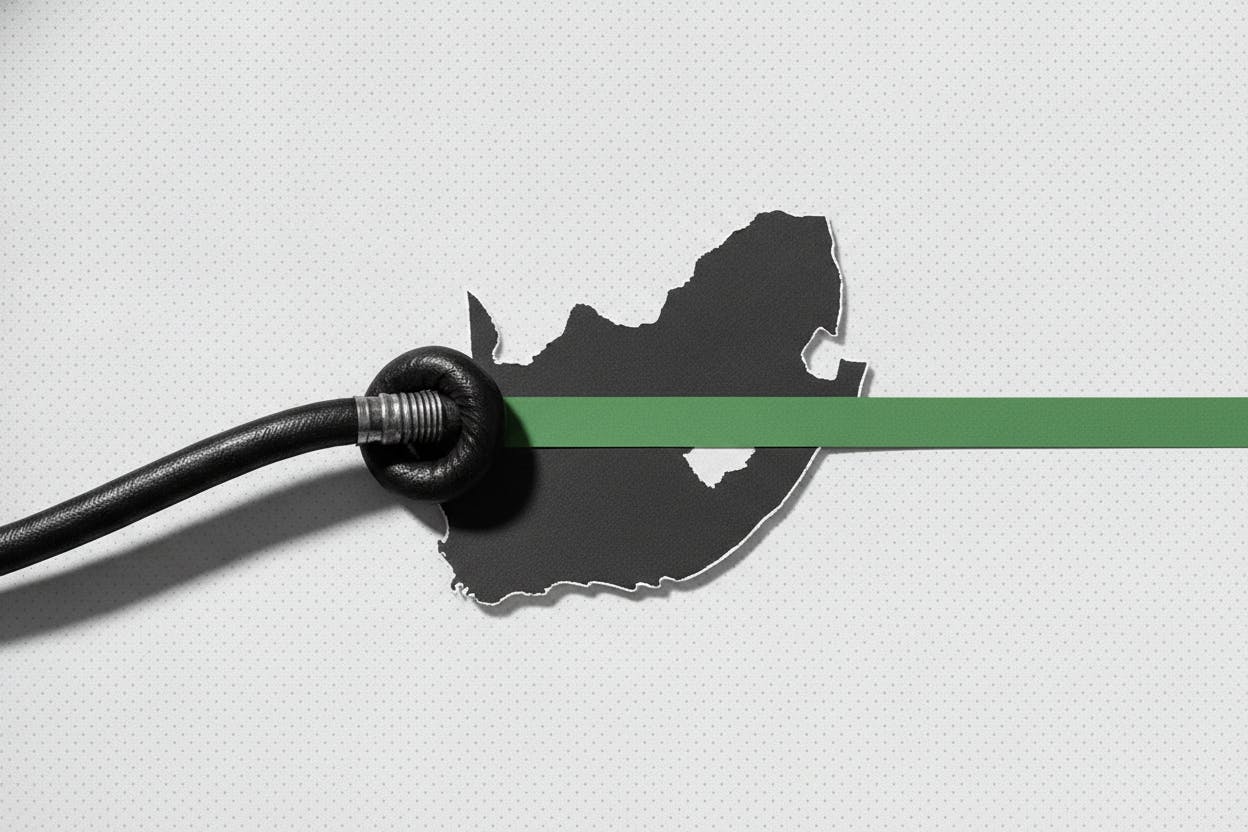
African markets opened Tuesday with a cautious tone, as investors weighed the latest US threats of tougher secondary sanctions on Iran, a dip in oil prices, and a South African rand that remains near its strongest level since the Iran war began. The combination of geopolitical tension and currency strength set the stage for a day of careful positioning across the continent.
Oil steadies after a sharp drop
Oil prices fell more than 2% in early trading before stabilizing, as traders digested the implications of Washington's renewed sanctions rhetoric. The key question driving the market is straightforward: would new rules actually remove Iranian barrels from global supply, or simply reroute them through other channels? That tug-of-war between geopolitics and day-to-day flows has kept prices jumpy, with each headline prompting a fresh round of buying or selling.
For African oil exporters like Nigeria and Angola, a sustained drop in crude prices would squeeze government revenues and put pressure on their currencies. Conversely, importers such as Kenya and Tanzania benefit from cheaper fuel, which can help tame inflation and ease the burden on household budgets. The recent easing in oil prices has been a welcome development for these economies, though the volatility means the relief may be short-lived.
Rand holds firm
South Africa's rand has been a standout performer, holding near its strongest level since the start of the Iran war. The currency's resilience reflects a combination of factors, including relatively high interest rates, improving terms of trade, and a global appetite for risk that has favored emerging-market assets. A firm rand helps to lower the cost of imported goods, which can ease inflationary pressures and give the central bank more room to consider rate cuts later in the year.
For South African investors, a strong rand is a double-edged sword. It boosts the purchasing power of local consumers and makes imported goods cheaper, but it also weighs on the earnings of exporters and companies that generate revenue in foreign currencies. Mining firms, for instance, see their rand-denominated profits shrink when the currency appreciates, even if commodity prices remain stable.
Asian shares slip on risk-off mood
The cautious tone in Africa mirrored broader moves in Asia, where stock markets slipped as investors adopted a defensive stance. The risk-off mood was driven largely by uncertainty over the Iran situation, with traders unsure whether the latest sanctions threats would escalate into a full-blown supply disruption or fizzle out as previous ones have. This tension in Asian markets is a reminder that geopolitical headlines can quickly shift sentiment across global asset classes.
For African equities, the spillover from Asia is often indirect but real. When global risk appetite fades, foreign investors tend to pull money out of emerging markets, including African bourses. That can weigh on local stock prices and put pressure on currencies, even if the underlying economic fundamentals remain unchanged.
What it means for investors
For everyday investors, the key takeaway is that oil prices and currency movements are closely linked to the fortunes of African markets. A sustained drop in crude could be positive for oil-importing nations but negative for exporters, while a firm rand is a sign of strength for South Africa but a headwind for its exporters.
The US Treasury's warning on dollar access for Iran-linked entities adds another layer of complexity. If sanctions are tightened, it could disrupt trade flows and push oil prices higher again, reversing the recent decline. Investors should watch for any concrete announcements from Washington, as well as how Iran responds, to gauge the direction of oil and its knock-on effects on African markets.
In the meantime, the rand's strength offers a measure of stability for South African investors, but it also underscores the importance of diversification. Currencies can move quickly, and what looks like a tailwind today can become a headwind tomorrow. Keeping a balanced portfolio that includes assets in different currencies and sectors is a prudent way to navigate such uncertainty.
Looking ahead
As the trading day progresses, African markets will likely continue to take their cues from global developments. The oil market remains the primary focus, with traders parsing every piece of news for clues about supply. Any sign that sanctions are actually biting could send prices higher, while a diplomatic breakthrough would likely push them lower.
For now, the mood is one of caution rather than panic. The rand's resilience provides a buffer for South Africa, and the dip in oil prices offers some relief to importers. But with geopolitics in the driver's seat, investors should brace for more volatility in the days ahead.



