Oil prices eased on [day] as investors took profits from last week's rally and turned their attention to the possibility of new US sanctions on Iran. Brent crude, the international benchmark, slipped to around $92.69 a barrel, while US West Texas Intermediate (WTI) also declined by roughly 2% in midday trading.
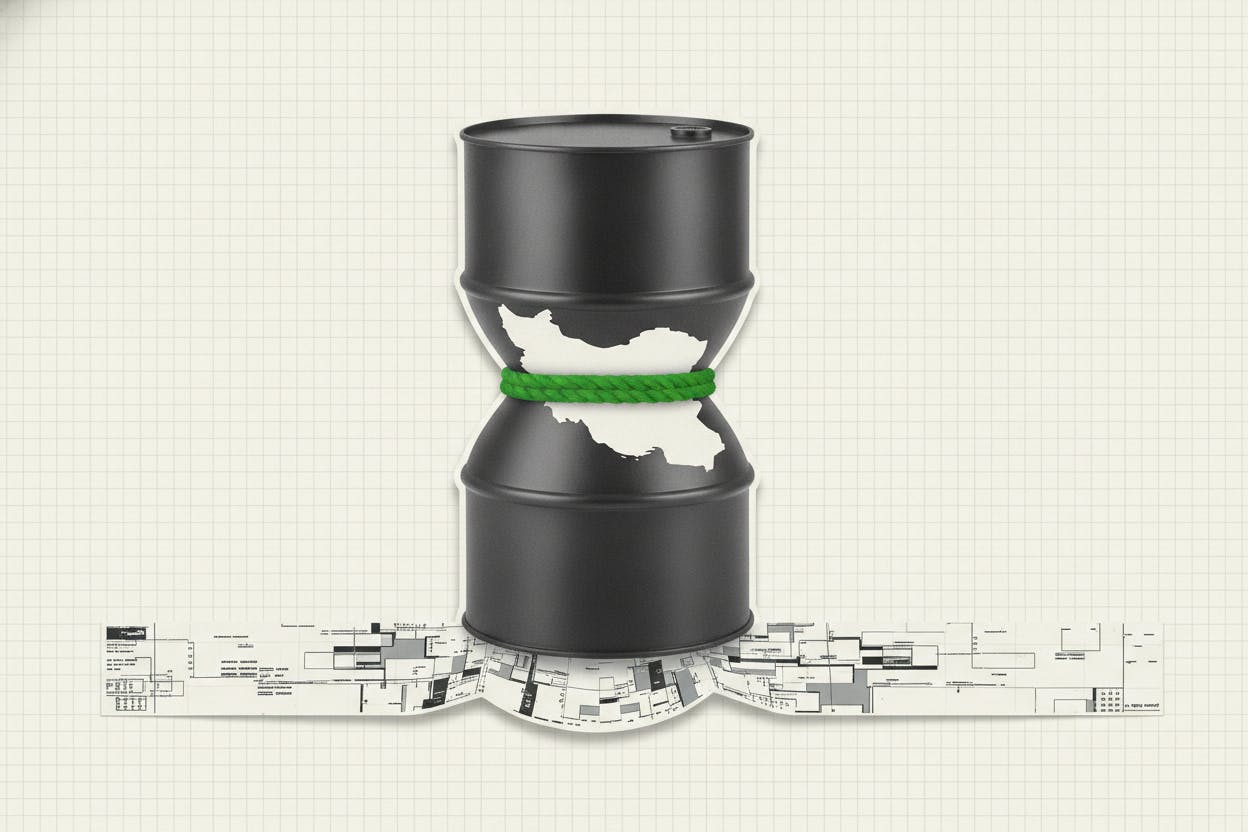
The pullback comes after two consecutive weekly gains of more than 5%, driven by concerns over Middle East supply. Now, the market is waiting to see whether Washington will impose fresh measures that could restrict the flow of oil through the Strait of Hormuz, a critical chokepoint for global crude shipments.
What's driving the move?
The recent rally was fueled by fears that escalating tensions could disrupt supplies from the region. However, traders are now taking a breather, booking profits after the sharp run-up. At the same time, there are signs that a significant amount of oil is still moving, which has tempered some of the bullish sentiment.
The key focus is on "secondary sanctions"—penalties that can target non-US buyers, banks, insurers, or shippers that do business with Iran. These measures don't necessarily have to block every barrel to have an impact; even the threat of sanctions can raise shipping costs and make buyers more cautious, which can push prices higher.
Investors are also watching for any US moves that could tighten flows through the Strait of Hormuz. Roughly one-fifth of global oil consumption passes through this narrow waterway, so any disruption there would have significant implications for supply and prices.
What it means for investors
For everyday investors, the oil market's moves can ripple through the broader economy. Higher oil prices often translate into higher gasoline and heating costs, which can feed into inflation. That, in turn, can influence central bank policy, including interest rates.
If the US imposes strict sanctions on Iran, oil prices could spike again, potentially adding to inflationary pressures. On the other hand, if the measures are seen as less disruptive than feared, prices could continue to ease.
Investors in energy stocks may see some volatility, as oil prices directly affect the revenues of producers and refiners. But it's important to remember that oil prices are just one factor in a complex market, and other variables—such as global demand, production levels, and geopolitical developments—also play a role.
For those with diversified portfolios, the impact of oil price swings is often muted. Still, keeping an eye on energy markets can provide clues about broader economic trends and potential risks.
Broader market context
The oil market's moves are being watched closely across global equities. For instance, Swiss shares stalled as the US signaled tougher Iran sanctions, while Latin American stocks rose as investors eyed the same developments. In the Middle East, Saudi stocks climbed as investors shrugged off the sanctions threat, and UAE stocks edged higher as traders did the same.
In Europe, European stocks edged lower as Nvidia earnings and Iran sanctions loomed, while African markets eyed Iran sanctions as Tanzania powered up and Ethiopia neared a debt deal.
These examples show how geopolitical events can influence investor sentiment across different regions, but the effects are often short-lived unless there is a sustained disruption to supply.
Looking ahead
Traders will be closely watching for any official announcement from the US regarding Iran sanctions. The timing and scope of any measures will be crucial in determining the next direction for oil prices.
In the meantime, investors should be prepared for continued volatility. Oil markets are sensitive to headlines, and even unconfirmed reports can cause sharp swings. For most people, the best approach is to stay focused on long-term financial goals rather than reacting to daily price movements.
As always, it's wise to consult with a financial advisor to understand how commodity price changes might affect your specific situation.