African markets are heading into the weekend on a mix of softer oil prices, steady interest rates in two major economies, and a new policy proposal in Nigeria that could reshape the region's fuel market. The moves come as investors weigh the impact of global energy trends and local political decisions on currencies, inflation, and government finances.
Oil prices ease on Iran comments
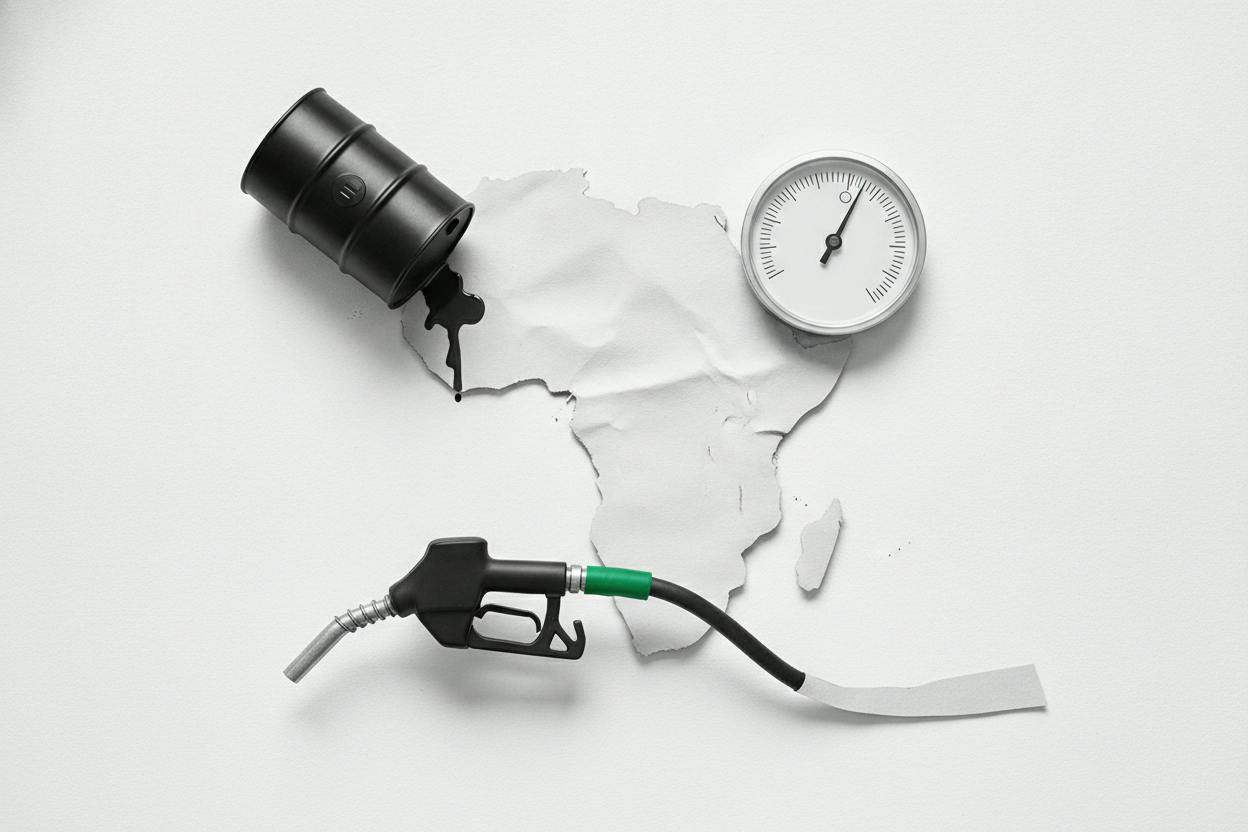
Oil prices dipped after US President Donald Trump said the United States would not attack Iran before next month's elections. The comment cooled some of the near-term supply fears that had been built into prices amid ongoing conflict in the Middle East. For African economies, oil is a double-edged sword: it is a key revenue source for producers like Nigeria and Angola, but a major import cost for net importers such as Kenya and Tanzania.
When oil prices fall, oil-exporting countries see their government revenues and foreign exchange earnings shrink, which can pressure their currencies and widen budget deficits. Importers, on the other hand, get some relief on their fuel bills and inflation. The dip is modest, but it signals that markets are not pricing in an immediate escalation of the conflict, at least not before the US elections.
Tanzania and Congo hold rates steady
In Tanzania and the Democratic Republic of Congo, central banks chose to keep their benchmark interest rates unchanged. This suggests policymakers are comfortable with the current level of monetary tightening, or at least want to wait for more data before adjusting. Holding rates can support economic growth by keeping borrowing costs stable, but it also means inflation may stay elevated if price pressures persist.
For investors, steady rates often signal a period of predictability, which can be supportive for local bonds and currencies. However, if inflation remains above target, central banks may eventually be forced to hike, which could weigh on growth. The decisions come as many central banks globally are pausing after a long cycle of rate increases, trying to balance the fight against inflation with the risk of slowing economies.
Nigeria floats petrol price cap
In Nigeria, the government floated a proposal to cap petrol prices. This is a significant policy shift in Africa's largest oil producer, where fuel subsidies have long been a politically sensitive issue. A price cap could help shield consumers from rising global energy costs, but it also raises questions about the sustainability of government finances and the health of the oil sector.
If the cap is set below market rates, it could force the government to make up the difference, adding to fiscal pressure. Alternatively, a cap that is set high enough might still allow fuel prices to rise, which could feed into inflation. The proposal is still in its early stages, but it adds a layer of uncertainty for investors in Nigerian assets, from the naira to local equities and bonds.
What it means for investors
For everyday investors, the key takeaway is that African markets are being pulled in different directions. Softer oil prices are a mild positive for importers and a mild negative for exporters. Steady rates in Tanzania and Congo provide some stability, but they don't guarantee that inflation is under control. And Nigeria's fuel price cap is a reminder that policy risk remains high in the region.
Investors should watch how these factors play out in the coming weeks. Oil prices will continue to react to geopolitical headlines, especially any new developments in the Middle East. Central bank decisions will be scrutinized for hints of future moves. And in Nigeria, the details of the petrol price cap will be crucial—whether it is a temporary measure or a long-term policy shift.
As always, diversification is important. African markets offer growth potential, but they also come with higher volatility and political risk. Keeping a close eye on commodity prices, interest rates, and policy announcements can help investors navigate these choppy waters.