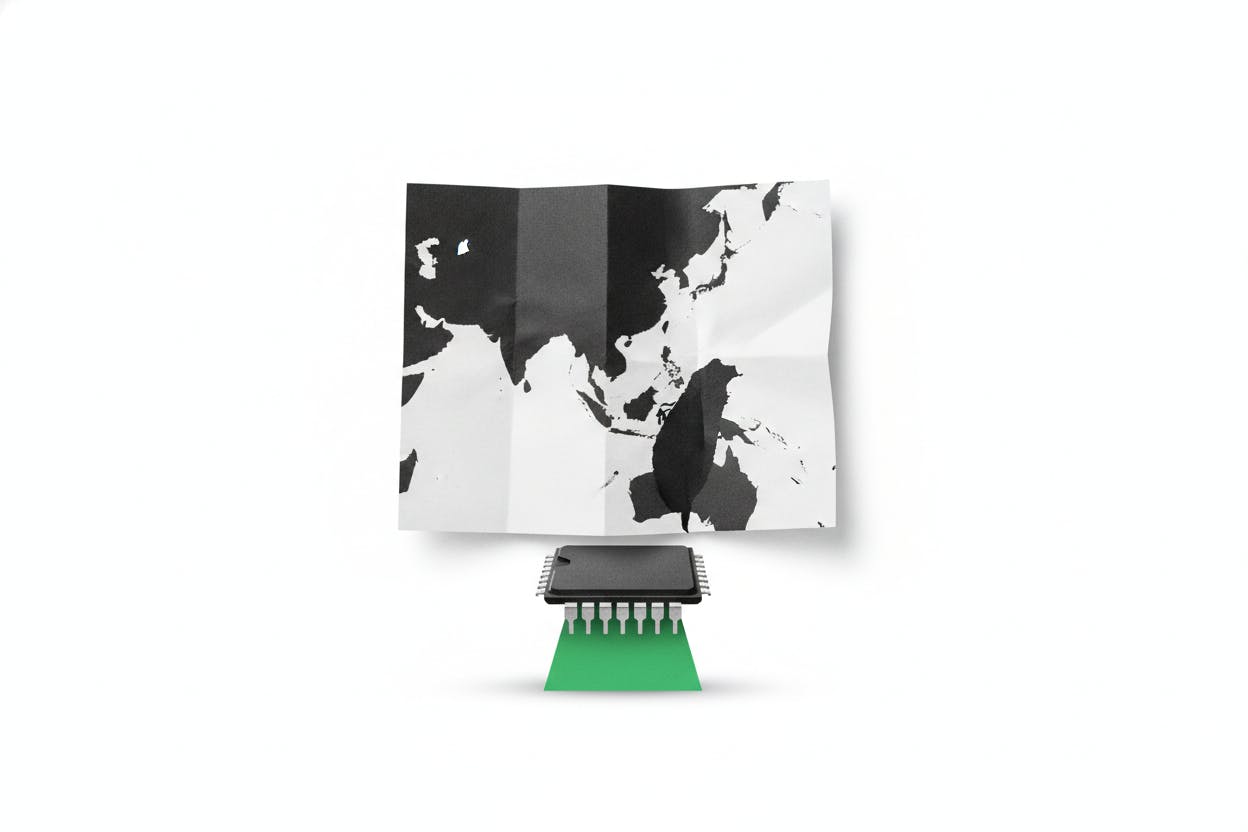
Emerging-market Asia is heading for its strongest quarter in over a decade, with the MSCI Emerging Markets Asia index climbing 1.8% on Tuesday and on track for a 30.4% gain for the April–June period. That would be its best quarterly performance since June 2009, according to Reuters.
The rally has been led by tech-heavy markets Taiwan and South Korea, where semiconductor giants sit at the center of the global artificial intelligence hardware supply chain. But beneath the headline numbers, the gains are concentrated in just a few names.
AI Chip Stocks Lead the Charge
Taiwan Semiconductor Manufacturing Company (TSMC), Samsung Electronics, and SK Hynix have been the primary drivers of the surge. These companies produce the advanced chips that power AI systems, from data centers to consumer devices. TSMC, the world's largest contract chipmaker, manufactures processors for companies like Nvidia and AMD. Samsung and SK Hynix dominate the market for high-bandwidth memory (HBM) chips, which are critical for AI workloads.
The AI boom has sent demand for these components soaring, pushing stock prices higher. TSMC shares have risen sharply this year, while Samsung and SK Hynix have also posted strong gains. The rally reflects investor optimism that AI adoption will continue to accelerate, driving sustained demand for cutting-edge semiconductors.
A Narrow Rally Beneath the Surface
While the regional index is soaring, market watchers caution that the rally is not broad-based. Reuters cited analysts noting that a handful of stocks are doing most of the heavy lifting. Outside of TSMC, Samsung, and SK Hynix, many other companies in emerging Asia have not participated in the gains.
This concentration risk is a familiar pattern in tech-driven rallies. When a few mega-cap stocks drive most of the index's performance, a downturn in those names can hit the broader market hard. For everyday investors, this means the headline index return may not reflect the experience of owning a diversified portfolio of emerging-market stocks.
In contrast, other Asian markets have seen more mixed performance. Indian stocks, for example, slipped recently as IT shares dropped on US rate worries and auto stocks were hit by a new Delhi EV policy. Meanwhile, China's AI and chip stocks rallied as factory activity returned to growth in June, showing that the AI theme is playing out differently across the region.
What It Means for Investors
For ordinary investors, the surge in emerging-market Asia highlights the power of thematic investing—but also the risks of chasing narrow rallies. The AI chip boom is real, but it is concentrated in a small number of companies that are already highly valued. If AI demand slows or geopolitical tensions disrupt supply chains, those stocks could fall sharply.
Investors should also consider the broader economic backdrop. Emerging markets are sensitive to global interest rates, trade policy, and currency movements. The US Federal Reserve's rate decisions, for instance, can affect capital flows into these markets. A stronger US dollar can hurt emerging-market returns for foreign investors.
Diversification remains key. While AI chip stocks have been stellar performers, other sectors and regions may offer better value. For example, Singapore stocks edged higher recently as US-Iran tensions eased ahead of key jobs data, showing that geopolitical and economic factors can shift market dynamics quickly.
Looking Ahead
The second half of the year will test whether the AI rally has staying power. Investors will watch for earnings reports from TSMC, Samsung, and SK Hynix, as well as broader economic data from Taiwan and South Korea. Any signs of slowing AI investment or rising competition could cool the rally.
For now, emerging-market Asia is enjoying a moment reminiscent of the post-financial crisis rebound in 2009. But as with any narrow rally, the key question is whether the gains can broaden out—or whether the few winners will continue to carry the entire market.