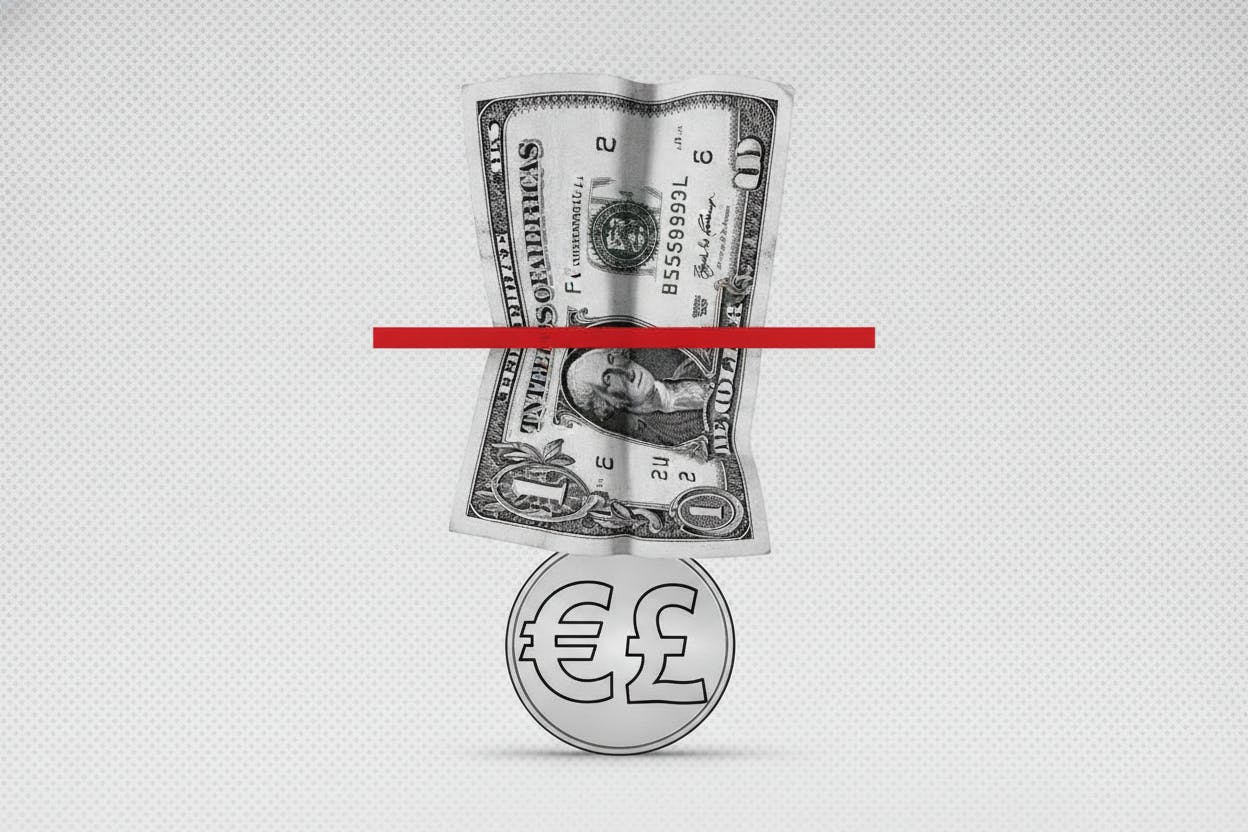
The US dollar slipped on Wednesday after a weaker-than-expected retail sales report for July, giving the euro and the British pound a boost to multi-month highs. The moves came as currency traders trimmed their expectations that the Federal Reserve will raise interest rates again this year.
The July retail sales data showed a 0.6% drop, a sharper decline than analysts had anticipated. That signals that American consumers, who have been the main engine of economic growth, are starting to pull back on spending. For the Fed, which has been trying to cool inflation by keeping borrowing costs high, softer consumer demand could be a welcome sign—but it also reduces the case for further rate increases.
Why the dollar fell
Currencies are heavily influenced by interest rate expectations. When traders believe a central bank is likely to raise rates, they tend to buy that country's currency, because higher rates offer better returns on investments like government bonds. Conversely, when rate hike odds fall, the currency often weakens.
That is exactly what happened after the retail sales report. With fewer traders expecting the Fed to hike again, the dollar lost some of its appeal. The euro rose to its highest level in several months, and the British pound followed suit, also hitting a multi-month high against the greenback.
The dollar's decline was broad-based, but the moves were most pronounced against the euro and sterling. For American investors, a weaker dollar has mixed implications: it makes imported goods more expensive, but it also boosts the value of overseas investments when converted back into dollars.
What this means for investors
For everyday investors, the key takeaway is that the Fed's next move is far from certain. The central bank has been navigating a tricky path between fighting inflation and avoiding a recession. If consumer spending continues to weaken, the Fed may feel less pressure to raise rates further—or might even consider cutting them next year.
That shift in expectations has ripple effects across markets. For example, gold prices often rise when the dollar falls, as the metal becomes cheaper for buyers using other currencies. Similarly, stocks in export-heavy sectors can benefit from a weaker dollar, because their products become more competitive abroad.
However, investors should be cautious about reading too much into a single month of data. Retail sales can be volatile, and the July figure may have been affected by seasonal factors or one-off events. The broader trend in consumer spending will become clearer over the coming months.
What to watch next
Currency traders will be closely watching upcoming economic data, including inflation reports and employment figures, for clues about the Fed's next policy decision. The central bank has emphasized that it is data-dependent, meaning each new report could shift expectations.
For the euro and the pound, the question is whether their gains can be sustained. Both currencies have been supported by their own central banks' rate policies, but economic weakness in Europe and the UK could limit further upside.
In the meantime, the dollar's slide is a reminder that currency markets can move quickly on economic news. For investors with international exposure, keeping an eye on these trends can help them understand how their portfolios might be affected.
As always, it's important to remember that currency movements are just one piece of the investment puzzle. A diversified portfolio that includes both domestic and international assets can help smooth out the ups and downs of the foreign exchange market.