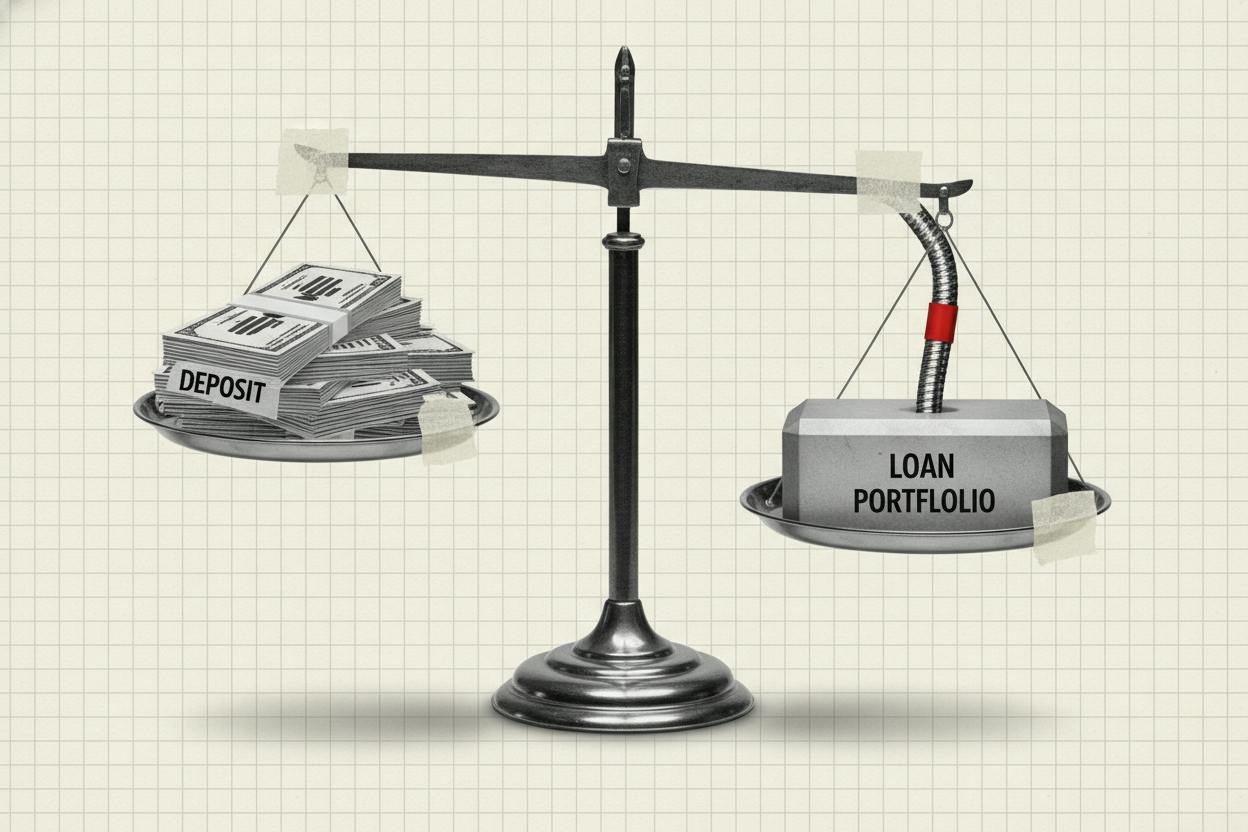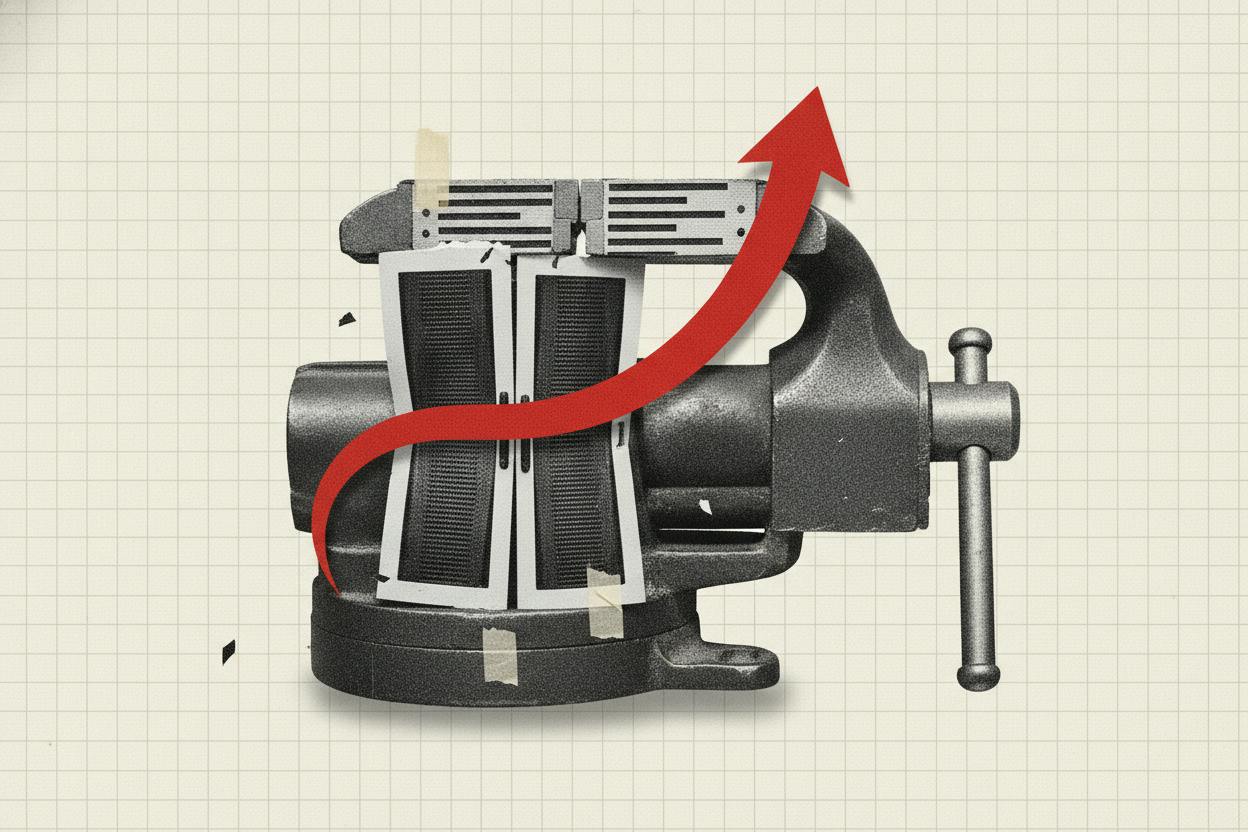
Markets are suddenly questioning two assumptions that have underpinned the recent rally in tech and AI-related stocks: that spending on AI infrastructure can keep accelerating, and that the Federal Reserve is done raising interest rates. This week, both took a hit.
The clearest sign came from CoreWeave, a US cloud-computing company that specializes in AI workloads. Its shares fell, and investors demanded a higher return to hold its debt. The yield on its 9.625% senior unsecured notes due 2032 climbed above 15% midday Wednesday, up from about 13% at the start of the month, according to bond pricing service Trace. In bond-speak, a higher yield usually signals higher perceived risk, and it also raises a company's future borrowing costs.
Why CoreWeave's bond yield matters
CoreWeave is a key player in the AI infrastructure boom. It builds and operates data centers packed with powerful graphics processing units (GPUs) that are used to train and run AI models. These facilities are extremely capital-intensive—they require billions of dollars in upfront investment, often financed with debt. When a company's bond yield jumps from roughly 13% to above 15%, lenders are effectively charging more for the same risk, and refinancing becomes harder.
That matters beyond CoreWeave. Tighter credit conditions can ripple through the AI supply chain: cloud builders turn more selective about expansion plans, and chip and equipment suppliers can see lumpier order timing. In a market already sensitive to whether AI spending is peaking, rising rate expectations add another headwind by lifting the baseline return investors demand across tech and other long-duration growth assets.
Inflation and retail sales keep 'higher for longer' alive
At the same time, fresh US data kept the “higher for longer” rate story alive. September inflation came in hotter than expected, and a strong retail-sales print showed consumers are still spending. That pushed the CME FedWatch-implied odds of an October rate hike to 31.6%, up from 17.7% a week earlier. FedWatch is a tool that traders use to gauge the probability of Fed moves based on futures pricing.
If the Fed does raise rates again, the risk-free rate—the baseline set by US government bond yields—would rise. That would increase the cost of capital for all companies, but especially for those with heavy debt loads and long-dated projects like AI data centers.
What it means for investors
For everyday investors, the key takeaway is that the cost of funding AI's buildout is rising. When both the risk-free rate and the company-specific credit spread go up, the all-in cost of capital climbs quickly. That can lead firms like CoreWeave to slow new data-center capacity, which then makes demand less predictable for upstream AI hardware suppliers such as Taiwan Semiconductor Manufacturing.
This is not just a niche concern. AI infrastructure is a major driver of corporate earnings and market valuations. If borrowing costs stay high, some of the most expensive AI stocks could face pressure. On the other hand, companies with strong balance sheets and less reliance on debt may be better positioned.
Investors should also watch how the Fed reacts to the latest data. If inflation remains sticky, the central bank may keep rates higher for longer, which would affect everything from mortgage rates to the discount rate used to value stocks. The energy sector has been a bright spot, but higher rates could weigh on other areas.
For those following the AI trade, the CoreWeave bond yield is a live test of the funding model. A sustained move above 15% could signal deeper trouble, while a pullback might ease fears. As copper prices have already shown, inflation data and AI stock slides can rattle broader markets.
In the meantime, the rate fears have also hit European AI stocks, and emerging markets have felt the jolt. The next few weeks will be crucial as investors parse more data and Fed commentary.
For now, the message is clear: the era of cheap money that fueled the AI boom is over, and the market is adjusting to a new reality where every percentage point of yield matters.