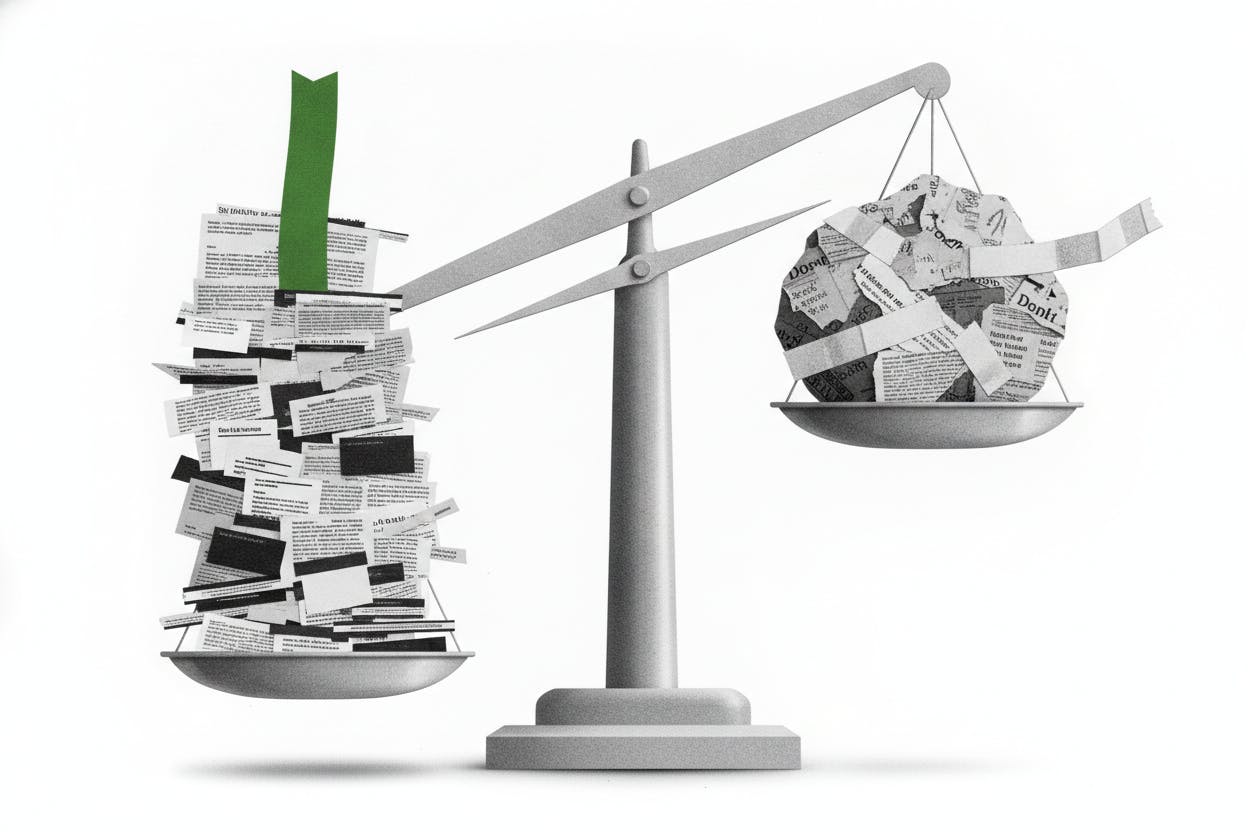
Current and former researchers from OpenAI and Google DeepMind have told Reuters that the artificial intelligence industry's biggest labs are prioritizing speed over caution, raising fresh questions about whether safety work can keep pace with the rapid deployment of increasingly powerful models.
The researchers described a culture inside frontier labs where building and shipping new models faster than competitors is rewarded more than taking time to stress-test safety measures. That dynamic, they say, is becoming more urgent as the industry edges closer to what some call recursive self-improvement — a scenario in which AI systems help design even smarter versions of themselves, potentially accelerating progress beyond human oversight.
What is recursive self-improvement?
Recursive self-improvement is a concept that has long lived on the fringes of AI research but is now entering mainstream debate. In simple terms, it refers to an AI system that can improve its own code or design, leading to a cycle where each generation becomes more capable at an ever-faster rate. If that happens, the gap between what AI can do and what safety researchers can fully understand or control could widen dramatically.
For everyday investors, the term may sound like science fiction, but it has real implications for how companies like OpenAI and Google DeepMind are valued. If safety concerns force labs to slow down releases, it could affect product timelines and revenue growth. Conversely, if labs push ahead without adequate safeguards, a high-profile failure could trigger regulatory backlash and hit share prices across the tech sector.
Speed vs. caution: an industry-wide tension
The Reuters report highlights a structural problem: the incentives inside AI labs often favor engineers who ship new models quickly over those who advocate for more testing. Researchers told Reuters that performance metrics, promotions, and public attention tend to reward speed, while safety work is seen as slower and less glamorous.
This tension is not new. In recent years, several high-profile resignations and public statements from AI safety researchers have drawn attention to the issue. But the latest comments from insiders suggest the problem is not just about individual bad actors — it is embedded in how these companies operate.
The pressure to move fast is also commercial. OpenAI and Google DeepMind face intense competition from rivals, including open-weight model developers that are pulling enterprise spending away from the frontier labs. Cheaper, more accessible models are winning corporate budgets, pressuring OpenAI and Anthropic to keep innovating at a breakneck pace.
At the same time, the financial stakes are enormous. SoftBank has raised billions to fund its AI ambitions, including a record junk bond sale that fuels its OpenAI push, and Apollo is reportedly in talks to expand a loan linked to OpenAI. Investors are pouring money into AI infrastructure, betting that these models will transform industries and generate massive returns.
What it means for investors
For investors, the safety debate is not just an ethical issue — it is a risk factor. If AI labs are forced to slow down due to safety concerns, it could delay product launches and dampen revenue expectations. On the other hand, if they continue to release models without adequate safeguards, the industry could face a major incident that triggers stricter regulation and erodes public trust.
Regulators are already paying closer attention. Governments in the US, Europe, and Asia are considering rules that could require AI companies to conduct more rigorous safety testing before deployment. Any such requirements could increase costs and lengthen development cycles, affecting margins for companies like OpenAI and Google DeepMind.
But there is also a positive angle. Companies that can demonstrate a strong safety record may gain a competitive advantage, winning over cautious enterprise clients and regulators alike. Some investors are starting to view safety as a differentiator rather than a drag.
For now, the message from insiders is clear: the industry is moving faster than its ability to ensure safety. Whether that gap closes or widens will depend on whether labs can change their incentives — and whether investors reward patience over speed.
As the debate moves into the public sphere, expect more scrutiny on how AI companies balance innovation with caution. For those with money in tech stocks, it is a story worth watching closely.