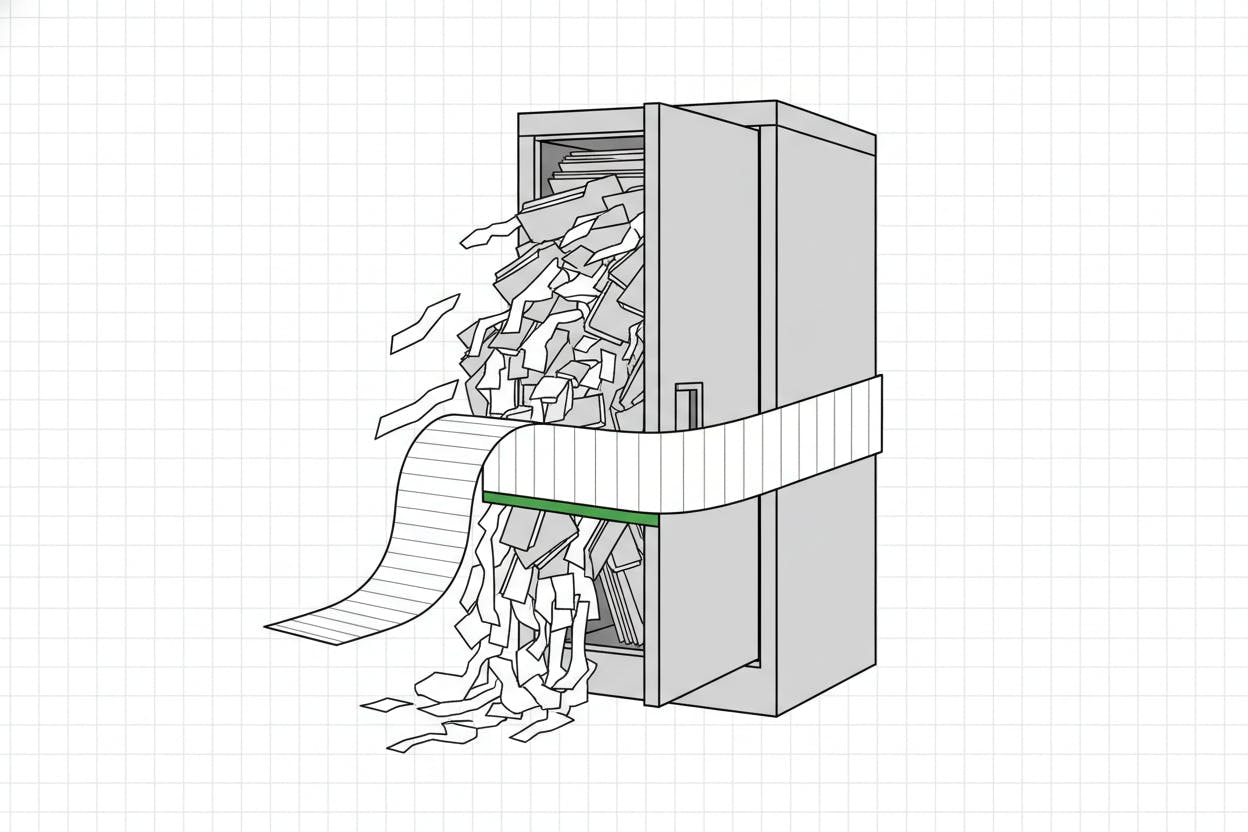
US companies are increasingly routing their AI work to cheaper models—many of them built in China—and that is putting pressure on the pricing power of AI leaders like OpenAI and Anthropic. The trend, highlighted by new data on corporate AI usage, suggests that the era of paying top dollar for the most advanced models may be fading as businesses prioritize cost over cutting-edge capability.
The shift to open-weight models
At the heart of this change is the rise of "open-weight" AI models. Unlike proprietary models such as OpenAI's GPT-4 or Anthropic's Claude, open-weight models can be downloaded and run locally on a company's own servers. That means businesses can avoid paying per-token fees to a cloud provider and instead control their own infrastructure, often at a fraction of the cost.
The price difference is a major draw. According to data from Vercel's AI Gateway, open-weight models handled 56% of the tokens processed in August, up from just 7% in December. Yet those models accounted for only about 14% of spending. In other words, companies are getting far more usage out of cheaper models while spending far less on them.
That gap between usage and spending is a clear signal: businesses are finding that cheaper models are "good enough" for many tasks, from customer support to data analysis. They no longer feel compelled to pay a premium for the most powerful AI when a less expensive option delivers acceptable results.
Why this matters for AI startups
For OpenAI and Anthropic, the implications are significant. Both companies have built their businesses around selling access to high-end AI models, and both have commanded premium prices. But if corporate customers are increasingly willing to switch to cheaper alternatives, the pricing power of these startups could erode.
The trend is also showing up in corporate earnings calls. Mentions of "open weight" or "open source" AI on earnings calls jumped sixfold in August and September compared with the same period last year. That suggests executives are not just experimenting with cheaper models—they are actively discussing them as a strategic option.
This shift comes at a delicate time for AI valuations. OpenAI and Anthropic have raised enormous sums at valuations that assume continued rapid growth and strong pricing power. Anthropic, for example, has been in the news for its massive cloud deal and its potential IPO, which has been rumored to be on the horizon. If the market begins to doubt that these companies can maintain their pricing, those valuations could come under pressure.
What it means for investors
For everyday investors, this trend is a reminder that the AI boom is not a one-way bet. While the biggest AI names have captured headlines and investor enthusiasm, the competitive landscape is shifting quickly. Cheaper alternatives—especially those from Chinese developers like Alibaba and DeepSeek—are gaining traction, and that could reshape the economics of the entire industry.
Investors should watch how OpenAI and Anthropic respond. Some companies are already experimenting with bulk discounts to land larger corporate deals, a sign that even the biggest players are feeling the need to compete on price. If that becomes the norm, profit margins could shrink, and the high valuations that have fueled the AI rally may become harder to justify.
At the same time, the shift to open-weight models could benefit a different set of companies: those that provide the infrastructure to run these models, such as cloud providers and hardware makers. It could also be a tailwind for businesses that adopt these models early, as they may be able to cut their AI costs significantly.
For now, the message is clear: the AI market is maturing, and "good enough" is becoming a powerful force. Companies that can deliver strong performance at a lower price are likely to win corporate budgets, while those that rely on premium pricing may need to adapt or risk losing market share.
As the landscape evolves, investors should keep an eye on how these dynamics play out in earnings calls and product announcements. The next few quarters could be pivotal in determining whether the current valuations of AI leaders are justified or whether the market is due for a correction.