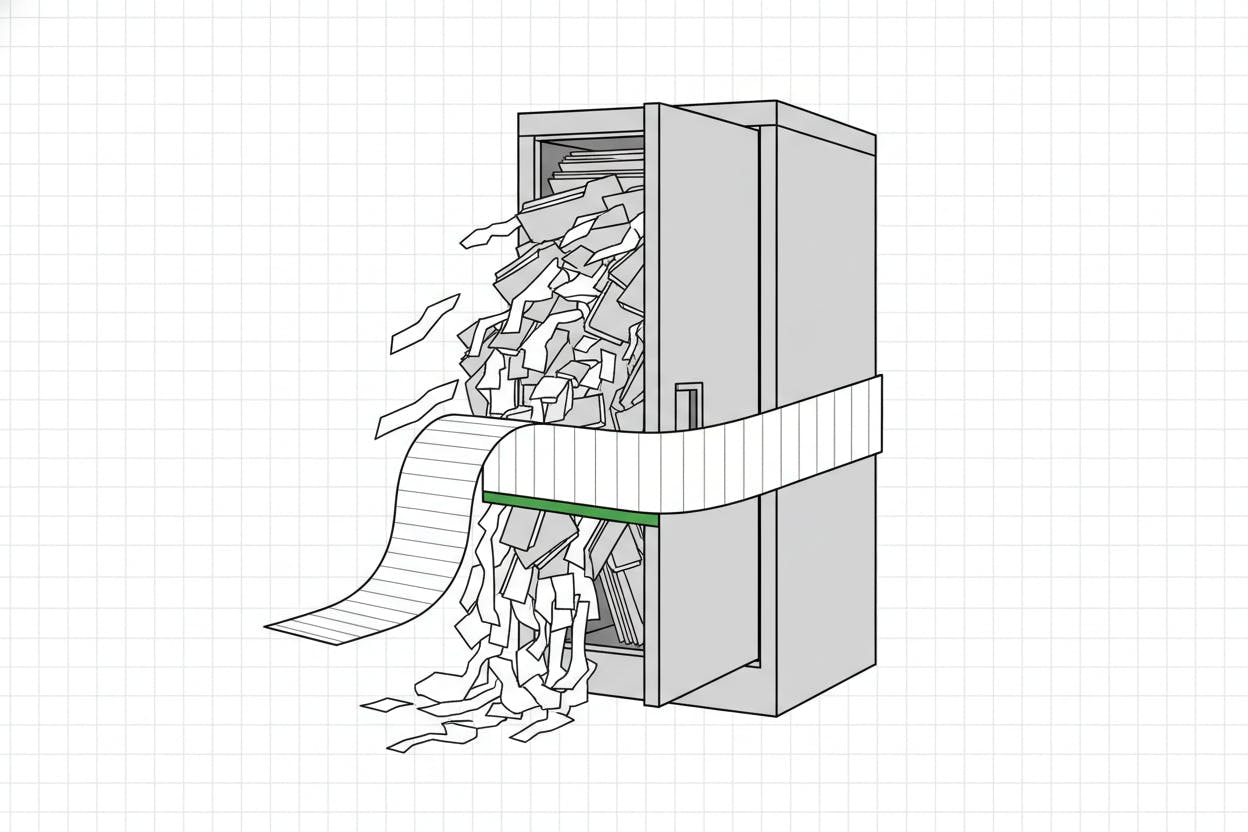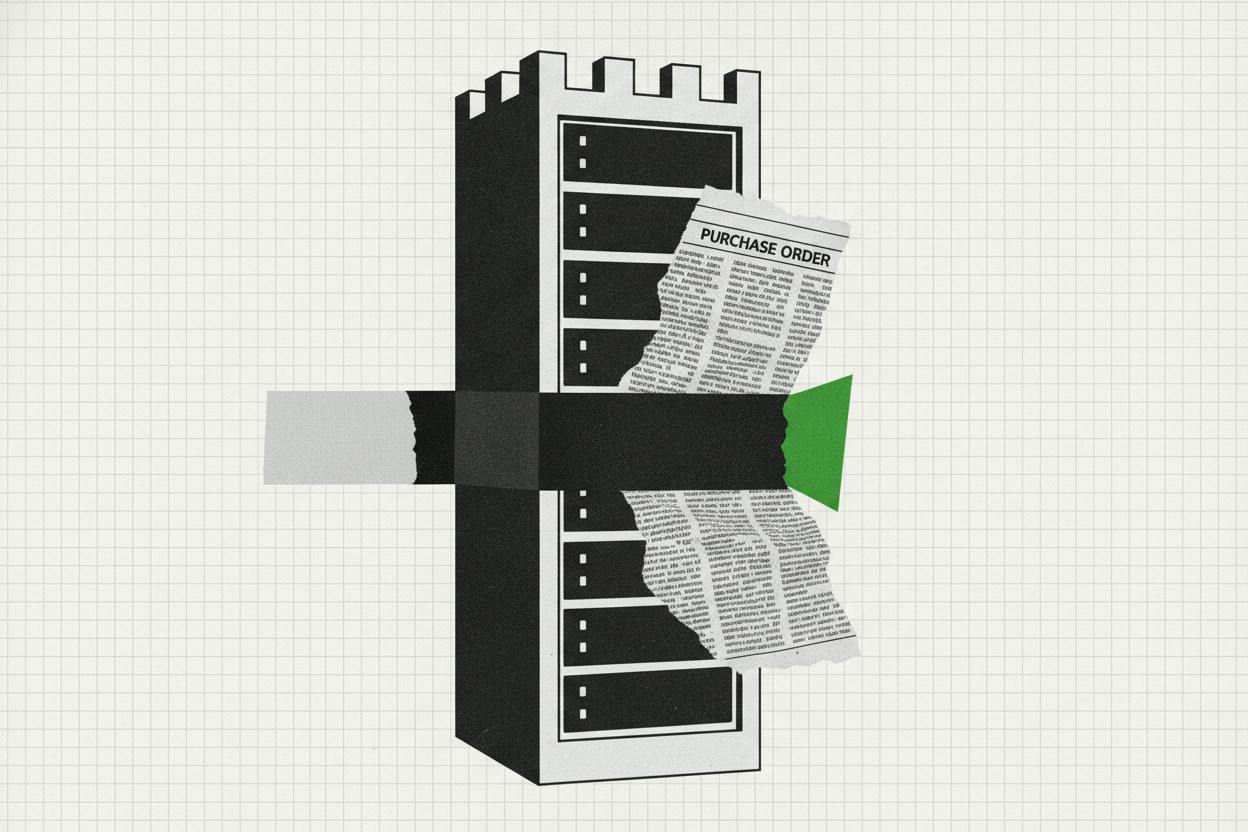
Akamai Technologies has landed one of the largest customer commitments in its history. Artificial intelligence developer Anthropic has signed a seven-year agreement to spend $11.6 billion on Akamai's cloud services, a total that could climb to roughly $20 billion as the contract unfolds. The deal also hands Anthropic a warrant allowing it to buy up to a 5% equity stake in Akamai.
Investors reacted immediately. Akamai shares rose 16% in extended trading on Thursday, a move that signals how much the market had been waiting for proof that the company's push beyond its traditional business is gaining real traction.
Why this matters for Akamai
Akamai built its reputation as a content delivery network — the plumbing that helps websites and apps load quickly and stay online under heavy traffic. In recent years it has been investing heavily to become a broader cloud and security provider, competing for the kind of infrastructure work that AI companies need to train and run their models.
That transition has been expensive and, at times, slow to convince Wall Street. A single contract of this size changes the conversation. Long-term commitments from major customers give a cloud provider something close to a demand anchor: predictable revenue that can be planned around, financed against, and used to justify further investment. For a company still proving its cloud ambitions, a blue-chip AI name signing on for seven years is a powerful endorsement.
The warrant adds another layer. Rather than simply paying for services, Anthropic is taking a financial interest in its supplier. That structure aligns the two companies — if Akamai's cloud business thrives, Anthropic's potential stake becomes more valuable. It is a pattern that has become more common as AI firms lock in computing capacity and, in some cases, take equity positions in the partners that provide it.
The cost of winning the business
Big contracts require big upfront spending. Akamai expects about $5.5 billion in total capital expenditures, including roughly $1.7 billion of additional spending in 2026 to pre-purchase key components. In plain terms, the company has to build and equip the infrastructure before it can bill for it.
That is normal in cloud computing, but it carries risk. Capital-intensive businesses must fund equipment, data-center capacity and hardware well ahead of the revenue those assets generate. If demand holds up, the math works. If a major customer slows its spending or changes plans, the provider can be left with expensive capacity and a thinner return.
Investors will therefore be watching two things closely: how quickly Akamai converts this commitment into reported revenue, and whether the upfront spending pressures margins in the near term. Companies in this position often trade off short-term profitability for long-term contracted growth, and the market's tolerance for that trade-off can shift quickly.
What it means for investors
For everyday investors, the headline number is less important than the signal. A deal of this scale suggests that demand for AI-related cloud infrastructure remains strong and that customers are willing to commit years in advance to secure it. That is a meaningful data point for anyone holding shares in cloud, semiconductor or data-center companies, because it speaks to the durability of the AI build-out rather than just the hype around it.
It also highlights a broader theme: the companies supplying the picks and shovels of the AI boom — computing power, storage, networking — are increasingly signing long-term contracts that make their revenue more predictable. That can make them look more attractive than businesses whose fortunes swing with each quarter's consumer demand.
At the same time, investors should keep the risks in view. Heavy capital spending means these companies are betting today's cash on tomorrow's demand. If the AI market cools, or if customers consolidate their spending, the providers carrying the largest infrastructure bills could feel it first.
Akamai's after-hours jump shows the market is rewarding the company for winning a marquee customer. The harder test comes next: delivering on the contract, managing the costs, and proving that this is the start of a durable cloud franchise rather than a single lucky win.