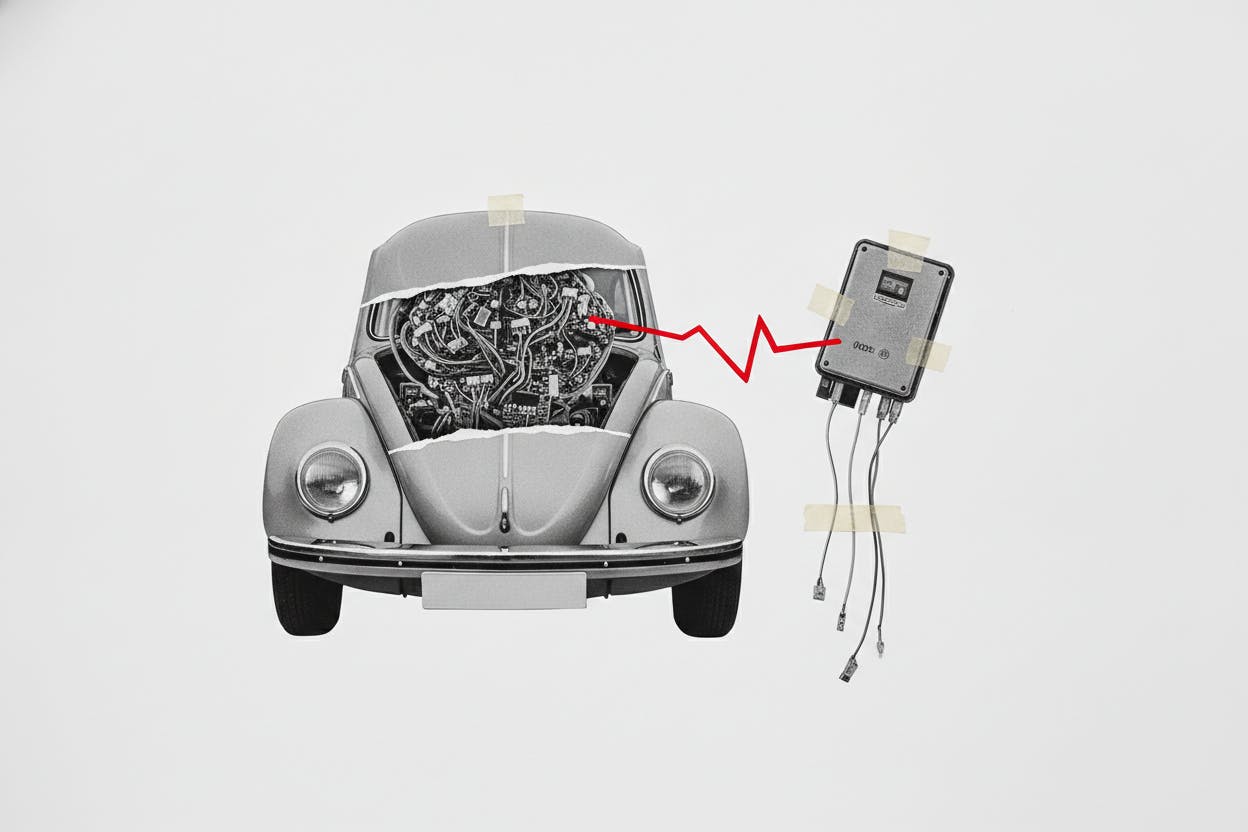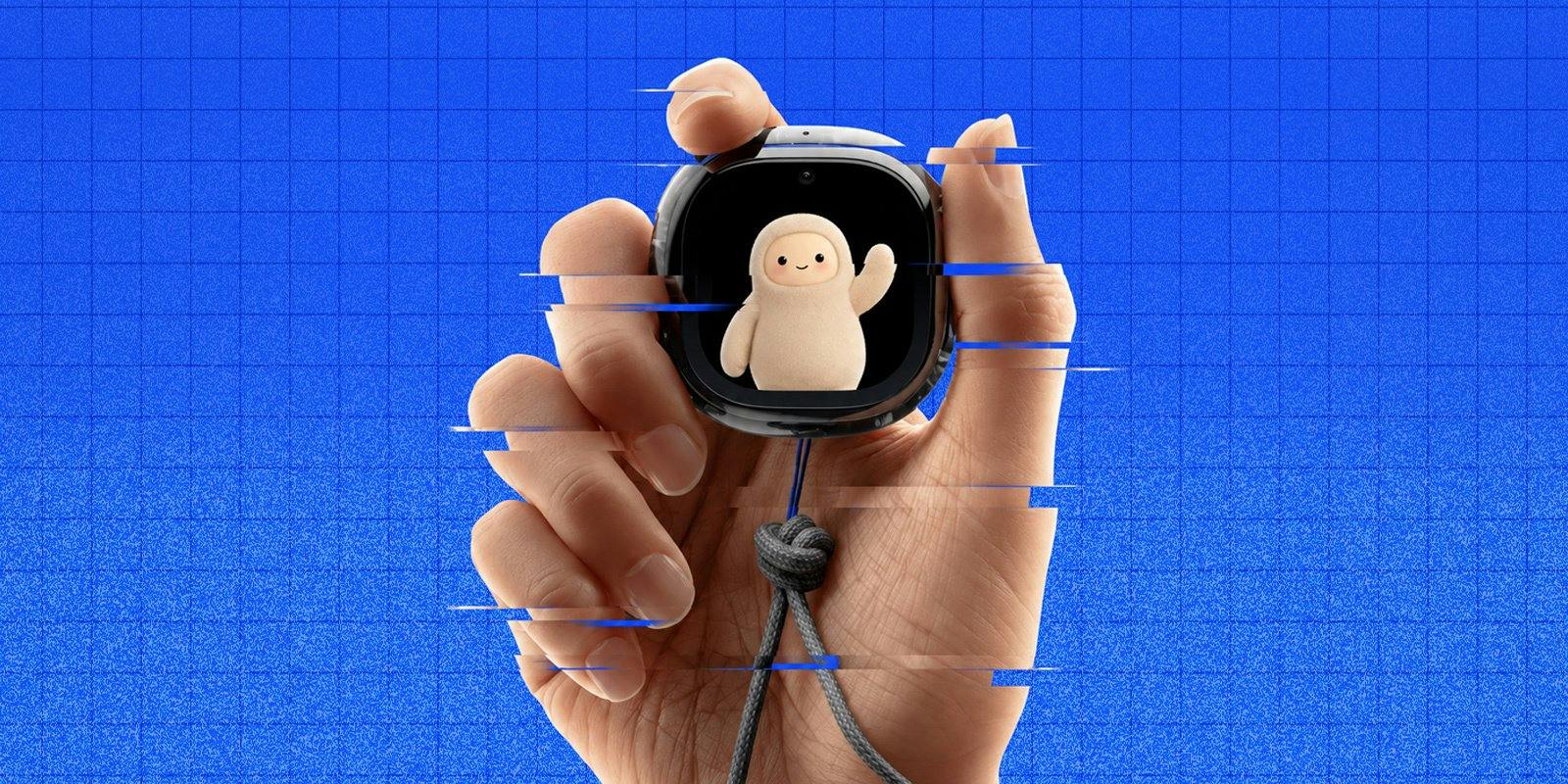
Meta has taken the wraps off a surprise new device: the Muse Charm, a palm-sized, pocketable AI assistant that looks like a Tamagotchi and runs the company's AI assistant, Muse, on its own hardware. The gadget includes an internal 5G modem, so it can stay connected without needing a Wi-Fi network. It's slated to hit shelves by December.
The Charm is the latest sign that AI is escaping the smartphone app and moving into dedicated hardware. For Meta, it's a bet that people want a physical AI companion that's always on and always with them, rather than something they have to open an app to reach.
What is the Muse Charm?
The Muse Charm is a small, wearable device that packs Meta's AI assistant into a standalone form factor. Unlike a smart speaker or a phone, it's designed to be carried around and interacted with throughout the day. The built-in 5G modem means it can work anywhere, without relying on a nearby phone or Wi-Fi hotspot.
Meta's decision to launch a dedicated AI gadget comes as tech companies race to figure out how people want to interact with AI. So far, most AI assistants live inside apps on smartphones or in smart speakers at home. The Charm is an attempt to create a more personal, always-available AI companion.
The device's design—cute and reminiscent of a Tamagotchi—suggests Meta is aiming for a broad consumer appeal, not just tech enthusiasts. It's a departure from the more utilitarian look of many AI gadgets, and it signals that Meta wants the Charm to feel like a friendly accessory rather than a piece of hardware.
Why this matters for investors
For investors, the Muse Charm is less about the device itself and more about what it represents: Meta's willingness to experiment with new form factors for AI. The company has said it's prepared to wait and see whether the Charm becomes a hit. It doesn't have to be this year's Christmas must-have, as long as Meta learns what form factor sticks with consumers.
This is a classic tech-industry approach: launch a product, gather data, and iterate. Even if the Charm fails to sell in huge numbers, the lessons Meta learns about how people use a dedicated AI device could inform future products—or even influence how it designs AI features for its existing apps like WhatsApp, Instagram, and Facebook.
The broader context is that AI hardware is a hot area. Companies are exploring everything from AI-powered earbuds to smart glasses. Meta itself has already invested heavily in smart glasses with Ray-Ban, and the Charm is another bet on wearable AI. The success or failure of these devices could shape the next wave of consumer tech spending.
For everyday investors, the key takeaway is that Meta is diversifying its AI strategy beyond software. That could open up new revenue streams if a hardware product takes off, but it also carries risk. Hardware is a tougher business than software, with thinner margins and supply chain challenges. Meta's willingness to experiment suggests it sees AI as a long-term growth driver, not just a feature to bolt onto existing products.
The launch also comes amid a broader trend of AI memory demand driving up gadget prices, as noted in our recent coverage of rising gadget prices. That could affect the Charm's pricing and profitability, though Meta hasn't announced a price yet.
What to watch next
Investors will be watching how the Charm is received when it launches in December. Key questions include: How many units does Meta sell? What do early reviews say? And most importantly, do people keep using it after the novelty wears off?
Meta's willingness to wait and see is a signal that it's thinking long-term. The company has the financial firepower to absorb a flop, and it's clearly more interested in learning than in immediate sales. That's a sensible approach for a company that wants to stay at the forefront of AI.
For now, the Muse Charm is a curiosity—a cute gadget that could either become a beloved companion or a forgotten novelty. Either way, it's a test that will help Meta—and the rest of the tech industry—understand what people really want from their AI assistants.