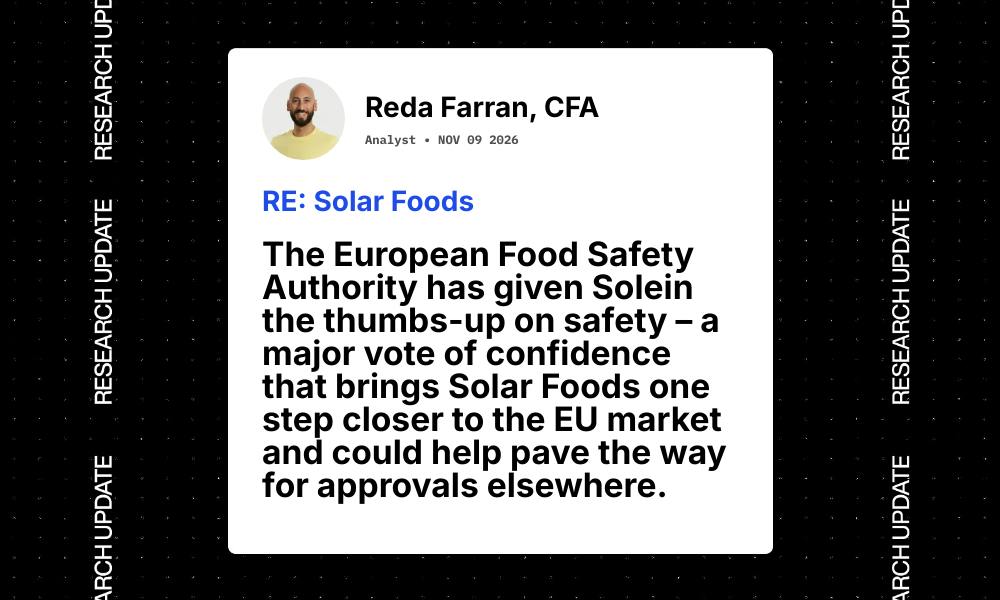
Solar Foods, a Finnish food-tech startup, has cleared a major regulatory hurdle. On Monday, the European Food Safety Authority (EFSA) declared that Solein, the company's protein powder made essentially from air, is safe for human consumption. The decision moves the futuristic ingredient a significant step closer to mainstream food products.
What is Solein?
Solein is not your typical plant-based protein. It's a yellowish powder produced in a bioreactor—essentially a giant fermentation tank. The process uses renewable electricity, a handful of nutrients, and carbon dioxide and water pulled directly from the air. The result is a protein that the company says combines the best traits of plant- and animal-based proteins without the environmental drawbacks of either.
Unlike traditional farming, Solein production doesn't require vast tracts of land, heavy water use, or livestock. It's a form of 'precision fermentation,' a technology that's gaining attention as a way to produce food with a much smaller environmental footprint.
Why the EFSA approval matters
The EFSA's safety approval is a critical milestone for any novel food in the European Union. Without it, Solein couldn't be sold as an ingredient in foods across the 27-member bloc. The green light means Solar Foods can now start working with food manufacturers to incorporate Solein into products like breads, pasta, spreads, and meat alternatives.
For a startup, this type of regulatory sign-off is often the biggest barrier to market entry. It validates the safety of the product and opens the door to commercial partnerships. It also signals to investors that the company has a viable path to revenue, which could be crucial as it looks to scale up production.
What it means for investors
For everyday investors, the news is a reminder that food-tech is a growing frontier, but it's also a high-risk one. Solar Foods is still a private company, so you can't buy its stock directly. However, the broader trend of sustainable protein is attracting attention from both venture capital and public markets. Companies in this space often face long timelines and heavy capital needs before they turn a profit.
The EFSA approval doesn't guarantee commercial success. Solar Foods will still need to convince food companies to use Solein and consumers to accept it. The ingredient's cost of production, taste, and texture will all play a role in whether it becomes a staple or remains a niche product.
That said, the regulatory win is a tangible sign of progress. It's the kind of milestone that can help a startup raise its next round of funding or attract acquisition interest from larger food companies. For investors, it's worth watching how Solar Foods and similar startups navigate the journey from lab to shelf.
The bigger picture
Solar Foods isn't alone in this space. Other companies are working on alternative proteins, from lab-grown meat to fermentation-derived ingredients. The European Union has also shown interest in supporting innovative food technologies, though it hasn't been as aggressive as its chip funding efforts. The broader push for sustainability is likely to keep this sector in the spotlight.
For now, the EFSA's decision is a clear win for Solar Foods. It's a step toward making protein that doesn't rely on traditional agriculture, and it could eventually give consumers another choice at the grocery store. But as with any early-stage technology, the road to mainstream adoption is long, and there are no guarantees.
Investors should view this as a positive development for the food-tech sector, but also remember that regulatory approvals are just one piece of the puzzle. The real test will be whether Solein can find a place in the market and generate sustainable demand.