Shares in Italy's Seco surged as much as 10% on Thursday after the embedded-computing specialist reported record third-quarter results, powered by strong demand for its edge AI hardware and software and faster growth in Asia-Pacific and EMEA.
Seco, which makes the small computers and software that power industrial machines, robots, and other "edge" devices, said adjusted EBITDA—a common proxy for operating profit—rose 38% from a year earlier to €14.7 million. Sales climbed 24% to €59.6 million. The company credited customer wins in "strategic end markets" and a regional mix that leaned heavily on Asia-Pacific and EMEA, which helped offset ongoing supply-chain constraints.
What is edge AI and why does it matter?
Edge AI refers to artificial intelligence that runs locally on devices—like a factory sensor or a medical scanner—rather than in the cloud. This reduces latency and improves privacy, making it increasingly popular in industrial automation, robotics, and other applications. Seco is a key supplier of the hardware and software that enable these systems, so its results are a bellwether for the broader edge AI trend.
CEO Massimo Mauri said the fourth quarter should be broadly in line with the third, supported by a backlog up 42% year on year—orders booked but not yet shipped. That backlog is a crucial indicator of future revenue, as it represents work already contracted but not yet delivered.
China expansion and supply chain moves
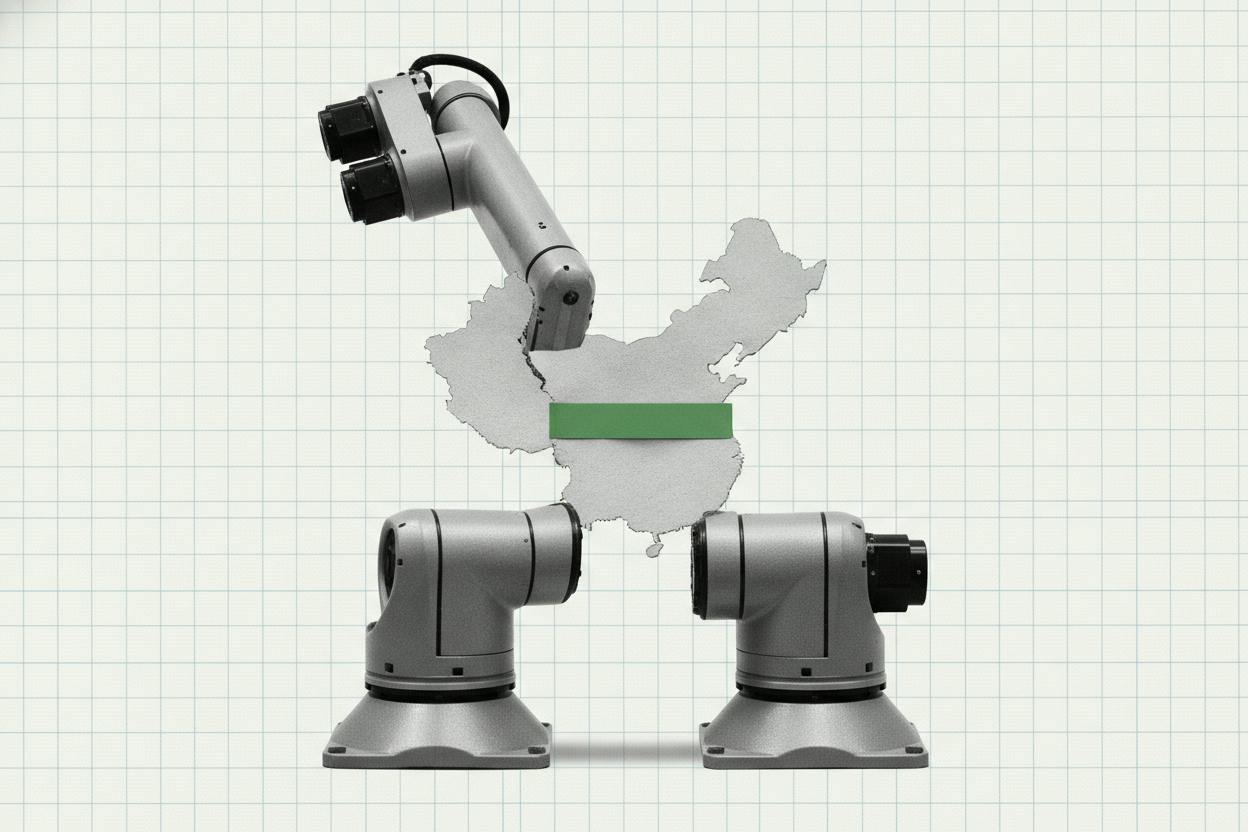
Seco is also pushing to match supply with demand by expanding in China. The company signed deals to buy 60% of Zhejiang Qiyang Intelligent Technology and the remaining 45% of Fannal Electronics. Seco says these acquisitions are building blocks for a China hub spanning research and development, manufacturing, and sales into areas like robotics and industrial automation.
The move is partly a response to supply-chain challenges that have plagued the electronics industry. By localizing production in China, Seco aims to reduce its exposure to shipping delays and component shortages, while also tapping into the region's fast-growing demand for automation.
What it means for investors
Seco's 42% backlog jump raises the stakes for December's 2027 revenue guidance. A bigger backlog plus "Q4 in line with Q3" commentary usually means better near-term revenue visibility: it suggests booked orders could convert into sales soon. But if supply-chain bottlenecks linger, deliveries can slip between quarters and the company may pay more to fulfill on time, via expedited freight or pricier parts.
That can make quarterly margins more volatile even if demand stays solid, shifting the next catalyst from "is demand real?" to "does the backlog convert cleanly?" December's 2027 revenue guidance is the market's first structured chance to stress-test that—including whether the China build-out is supported by reliable supply rather than optimistic scheduling.
For everyday investors, Seco's results are a reminder that companies riding the AI wave can see sharp share-price moves. But it's also a lesson in looking beyond the headline growth: supply-chain risks and execution challenges can quickly turn a good quarter into a volatile one. As always, diversification and a long-term view remain key.
Seco's performance also fits a broader pattern of tech companies benefiting from AI demand. For instance, JX Advanced Metals recently raised its profit outlook on the back of AI chip demand, and Ferguson lifted its sales outlook after a strong quarter. These stories underscore how AI is reshaping earnings across industries.
Investors will now watch for Seco's December guidance, which will provide a clearer picture of whether the company can sustain its growth run-rate and deliver on its ambitious China plans.