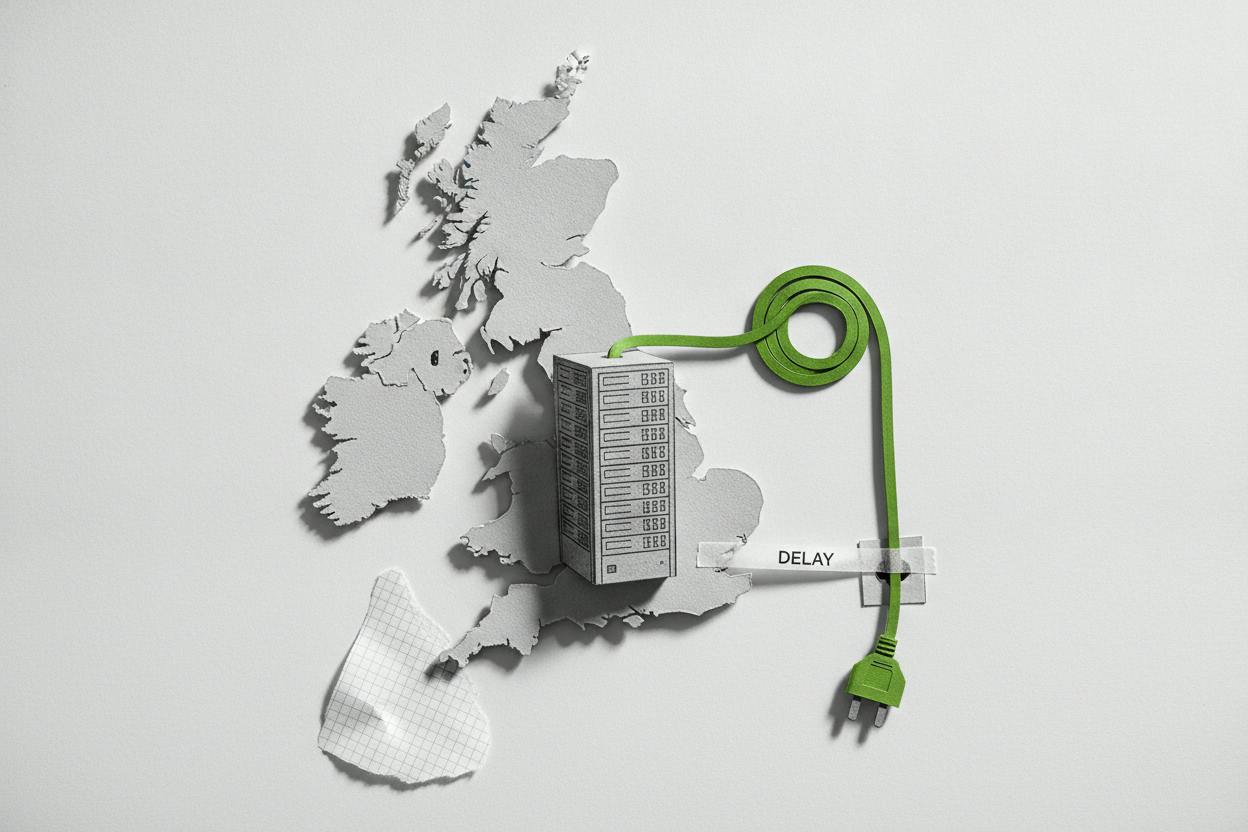
The Trump administration's push to create a self-regulatory body for artificial intelligence has hit a roadblock, with a draft executive order still awaiting approval from senior officials. At the same time, the administration is weighing broad tariffs on semiconductors that could extend to everyday tech products like laptops and servers, creating a double dose of uncertainty for the technology sector.
What's happening with the AI order
The draft order would establish an AI self-regulator, an entity designed to let the industry police itself rather than face direct government oversight. Such a body would likely set standards, review compliance, and handle complaints, with the goal of avoiding stricter, more prescriptive regulations. However, the proposal has not yet secured the necessary buy-in from senior administration figures, leaving its future unclear.
For investors, the delay signals that AI policy remains a work in progress. Companies building or using AI tools have been watching Washington closely, as the regulatory environment could shape everything from research costs to product launch timelines. A self-regulatory approach is generally seen as more business-friendly than heavy-handed rules, so its stalling could mean prolonged uncertainty for AI-related stocks.
The tariff threat on chips
Separately, officials are considering broad tariffs on semiconductors, which could raise the cost of imported chips used in a wide range of devices. If implemented, these tariffs could hit laptops, servers, and other hardware, potentially pushing up prices for consumers and squeezing margins for manufacturers.
Semiconductors are the building blocks of modern electronics, and the US relies heavily on imports, particularly from Asia. Tariffs on chips would likely increase costs for companies that assemble devices domestically, and those costs could be passed on to buyers. For investors, this is a reminder that trade policy remains a live risk for the tech sector, which has enjoyed relatively low-cost access to global supply chains.
The tariff discussions come amid a broader trade war that has already seen the US double tariffs on Canadian autos and Canada retaliate with dollar-for-dollar measures. The escalating tensions have rattled markets, with the loonie hitting a one-week low as the dispute widened. Investors are now bracing for the possibility that semiconductors become the next front in the trade conflict.
What it means for investors
For everyday investors, the combination of a stalled AI regulatory plan and potential chip tariffs creates a mixed picture. On one hand, a self-regulatory AI body could reduce regulatory risk for tech companies, but its delay means that uncertainty persists. On the other hand, tariffs on chips could raise costs for hardware makers and potentially slow down the adoption of AI technologies that rely on powerful semiconductors.
Investors should watch for any movement on the executive order, as well as announcements from the administration on tariff policy. The tech sector is highly sensitive to both regulatory and trade developments, and any concrete steps could lead to market moves. As always, it's wise to maintain a diversified portfolio rather than betting heavily on any single policy outcome.
The broader trade war, including the recent escalation with Canada, has already shown how quickly tariffs can affect markets. With the possibility of chip tariffs on the horizon, investors in tech and hardware stocks should stay informed and consider the potential impact on their holdings.